





Winter Snowfall Plunges Across the Himalayas
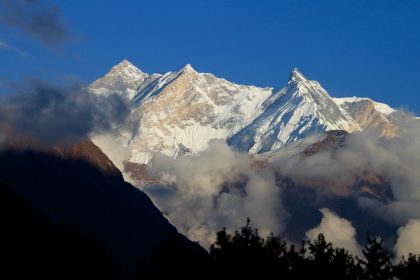
The towering peaks of the Himalayas — long synonymous with vast blankets of winter snow — are now appearing bare and rocky in areas that should be snow‑clad, scientists say. Recent reports show that much less winter snowfall is falling on the Hindu Kush–Himalaya region compared with historical norms, leaving mountain slopes exposed and creating what experts describe as a “snow drought.” This trend has been particularly apparent over the past five years, when most winters featured far below‑average snow persistence compared with data from the 1980–2020 period.
This reduction in snow cover has been diagnosed using multiple climate datasets and analyses, confirming a marked decline in precipitation that should fall as snow at high altitudes.
Record Low Snow Persistence and Snow Drought Conditions
According to a Snow Update Report from the International Centre for Integrated Mountain Development (ICIMOD), snow persistence — the amount of snow that remains on the ground over time — reached one of its lowest levels in more than two decades during the 2024‑25 winter season, about 24 % below normal. Four of the past five winters in the Hindu Kush–Himalaya have similarly shown persistently low snow cover.
Scientists say this pattern is consistent with a broader decrease in winter precipitation and snowfall anomalies in key portions of the region, especially between elevations of 3,000 and 6,000 m, where winter snow has traditionally accumulated.
Bare Peaks at Historically Snowless Levels
In some parts of the Himalayas, scientists and local observers have reported snowless peaks in January, a month that historically sees consistent snowfall. For instance, several high‑altitude summits in the Garhwal Himalayas remained largely snow‑free well into January for the first time in almost four decades. The lack of snow has raised concerns among botanists and ecologists because many alpine medicinal plants and endemic species depend on prolonged snow cover for insulation, moisture and lifecycle cues.
Without a fresh snowpack, the soil becomes dry and exposed, threatening fragile ecosystems at elevations where snow once acted as a crucial thermal buffer.
Causes: Warming Climate and Weakening Winter Systems
Researchers point to a combination of rising temperatures and atmospheric changes as the principal causes behind the diminishing snowfall. Warmer winter conditions mean that more precipitation falls as rain rather than snow, and what little snow accumulates melts more rapidly. Higher elevations are warming faster than lower ones, a pattern known as elevation‑dependent warming, which shifts the snow line higher and limits snow cover at traditionally snow‑rich altitudes.
Meteorologists have also observed weaker western disturbances — the low‑pressure systems that typically bring winter moisture from the Mediterranean into northern India and neighboring Himalayan regions. These weakened weather systems bring less snow and rain, compounding the trend toward drier winters.
Implications for Water Security and Downstream Communities
Snow that accumulates over the Himalayas during winter is a critical source of fresh water. Seasonal snowmelt feeds major river systems such as the Indus, Ganges, Brahmaputra, Mekong and others that sustain agriculture, drinking supplies and hydroelectric power for hundreds of millions of people. Snowmelt contributes an average of about a quarter of total annual river runoff, and reductions in winter snowfall can drastically reduce streamflow later in the year.
The ICIMOD report warns that declines in snow and ice threaten water security for nearly two billion people who depend on these rivers, with potential consequences including reduced water availability, increased reliance on groundwater, and heightened risk of drought across the vast Asian continent.
Ecological and Socioeconomic Consequences
Beyond water resources, changes in snowfall patterns carry broad ecological and socioeconomic ramifications:
- Agricultural disruption: Reduced snowpack leads to lower soil moisture and earlier melt, which can alter crop irrigation cycles and challenge traditional farming practices.
- Ecosystem stress: Many high‑altitude plant and animal species rely on stable snow cover for habitat, breeding cycles and temperature regulation.
- Tourism decline: Winter tourism economies, including skiing and trekking operations, may face downturns if dependable snowfall dwindles.
- Increased hazards: Bare slopes and exposed rockface destabilised by melting snow and ice can contribute to more frequent landslides, debris flows and glacial lake outbursts as the natural “glue” of snow disappears.
Voices from the Field: Local and Scientific Perspectives
Scientists who study the Himalayas caution that these changes are not isolated anomalies but part of a long‑term trend linked to anthropogenic climate change. The progressive rise in average temperatures, especially at high elevations, alters how precipitation falls and accumulates, shifting snow regimes and amplifying dry conditions even in traditionally snow‑rich seasons.
Local communities, such as those in Kashmir and Uttarakhand, are noticing changes firsthand — from snowless mountain slopes to shifts in plant life and water flow timing — underscoring the immediacy of what was once considered gradual climate change.
Looking Ahead: Climate Action and Adaptation Challenges
The stark transformation of the Himalayas from snow‑clad giants to increasingly bare and rocky heights serves as a potent symbol of the broader impacts of warming climates. For policymakers and scientists, the challenge lies in mitigating climate change while adapting water management, conservation and disaster preparedness strategies for the populations that depend on these critical mountain systems.
The decline in winter snowfall and the rapid changes observed across the region should serve as a clarion call for coordinated climate action, not only to reduce greenhouse gas emissions but also to invest in infrastructure and policies that can help communities and ecosystems adjust to a warmer, drier future.