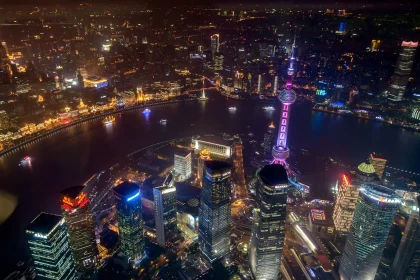






LONDON/BEIJING — UK Prime Minister Sir Keir Starmer has returned from a landmark visit to China with hopes of thawing years of frost in bilateral relations, heralding what he described as the end of an “ice age” in ties between the two nations. The trip — the first by a British prime minister since 2018 — aimed to reset engagement with Beijing after a period of strain, balancing economic opportunity with national security and human rights concerns.
China Visit Marks a Symbolic Diplomatic Breakthrough
Starmer’s three-day visit to China in late January marked a notable shift in UK foreign policy, as London seeks to rebuild bridges with Beijing after several years of cool relations. The prime minister pledged a “durable and respectful” relationship with China, citing the need for “stability and clarity” after what he called an ice age in diplomatic engagement.
The trip brought Starmer face-to-face with Chinese President Xi Jinping, with talks that extended longer than originally scheduled and touched on a wide range of issues. Both leaders emphasised the importance of cooperation on global stability, economic growth and climate change, even as thorny issues remained on the agenda.
Trade Deals, Visa Waivers and Economic Outreach
One of the most tangible outcomes of the visit was a series of cooperative agreements intended to deepen economic ties between the UK and China, reflecting Britain’s strategic priority of expanding access to the world’s second-largest economy.
Among the concessions clinched was a 30-day visa-free travel arrangement for UK nationals, a significant shift that is expected to boost tourism and business travel between the two countries. China also agreed to halve tariffs on Scotch whisky imports, a move expected to significantly benefit one of the UK’s flagship export industries.
In addition, agreements were signed to facilitate longer-term investment and cooperation in areas such as pharmaceuticals, with British-based companies like AstraZeneca announcing multi-billion-dollar commitments in Chinese operations.
Human Rights and Sanctions Feature in Talks
While economic engagement took centre stage, Starmer did not shy away from raising human rights and security concerns with Chinese leaders — a delicate diplomatic balance given Beijing’s sensitivity to criticism. British officials say the prime minister pressed Chinese counterparts on issues including the detentions in Xinjiang, Hong Kong pro-democracy activist Jimmy Lai, and broader concerns about cyber security and espionage.
Another symbolic result of the talks was China’s lifting of sanctions on six UK MPs, restrictions that had curtailed travel for British parliamentarians who had previously criticised Chinese human rights practices. While Beijing’s move was welcomed in Westminster, some lawmakers indicated they may be cautious about travelling unless reciprocal changes are made on broader human rights issues.
Strategic and Domestic Political Calculus
Starmer’s China trip has generated debate at home and abroad. Supporters argue that engaging pragmatically with Beijing is crucial for UK economic interests and global influence, particularly as London seeks diversification in a shifting geopolitical landscape. They contend that rebuilding dialogue with China — the UK’s third-largest trading partner — can reduce reliance on unpredictable trade patterns and open new markets for British exporters.
However, critics both within the UK and among Western allies have expressed concern. Some Conservative MPs and human rights advocates argue that Starmer’s outreach risks ceding too much ground without securing meaningful change on core issues such as democratic freedoms and national security. In Washington, US President Donald Trump labelled the UK’s engagement with China “very dangerous,” reflecting growing unease among some policymakers about closer economic ties with Beijing.
A Broader Western Shift?
Starmer’s trip also fits into a wider trend of Western leaders resetting relations with China amid evolving global dynamics. As unease grows over the reliability of traditional alliances and the global balance of power shifts, countries like Canada, France and Germany have pursued similar diplomatic outreach — even as tensions simmer over trade disputes, human rights issues and the geopolitical influence of Beijing.
Despite these efforts, analysts caution that a full thaw in UK–China relations will require sustained dialogue and long-term strategic alignment, rather than a series of standalone agreements. They note that fundamental differences over governance, security, and global influence persist, complicating the road ahead.
What Comes Next
Back in London, Starmer’s government faces the task of translating diplomatic progress into tangible benefits for British businesses and citizens while navigating domestic scepticism. The prime minister has indicated that the China visit is “not a one-off” but the beginning of a more consistent and strategic relationship, with further discussions expected at senior levels in the months ahead.
As both sides assess the outcomes of the trip, the effectiveness of this diplomatic reset will likely be measured not just in tariff lines and visa waivers, but in whether London and Beijing can sustain mutual respect and cooperation in the face of enduring geopolitical challenges.