






Kyoto has become shorthand for traditional Japan. Its temples, geisha districts, and seasonal beauty dominate guidebooks and social media feeds. But that popularity comes at a cost: overcrowded streets, rushed experiences, and a sense that much of the city now performs tradition rather than lives it.
For travelers seeking the same depth of history, aesthetics, and cultural continuity—without the congestion—Japan offers quieter, more rewarding alternatives. Across Japan, smaller towns preserve craftsmanship, architecture, and local rhythms in ways Kyoto increasingly struggles to maintain.
Here are four Japanese towns that offer richer, calmer, and more authentic experiences than Kyoto, especially for travelers who value atmosphere over checklists.
Kanazawa: Tradition Without the Crowds
Often described as “Kyoto as it once was,” Kanazawa delivers cultural depth without mass tourism. Historically a powerful castle town, Kanazawa escaped wartime destruction, leaving much of its old urban fabric intact.
Samurai districts like Nagamachi still feel residential rather than staged, while the city’s geisha quarters operate at a quieter, more authentic pace. Kanazawa is also home to one of Japan’s most celebrated landscape gardens, Kenrokuen, which rivals Kyoto’s temple gardens in scale and refinement.
What sets Kanazawa apart is balance. Tradition here coexists naturally with daily life—local markets, contemporary museums, and working craftspeople operate side by side.
Takayama: Living Edo-Era Japan in the Mountains
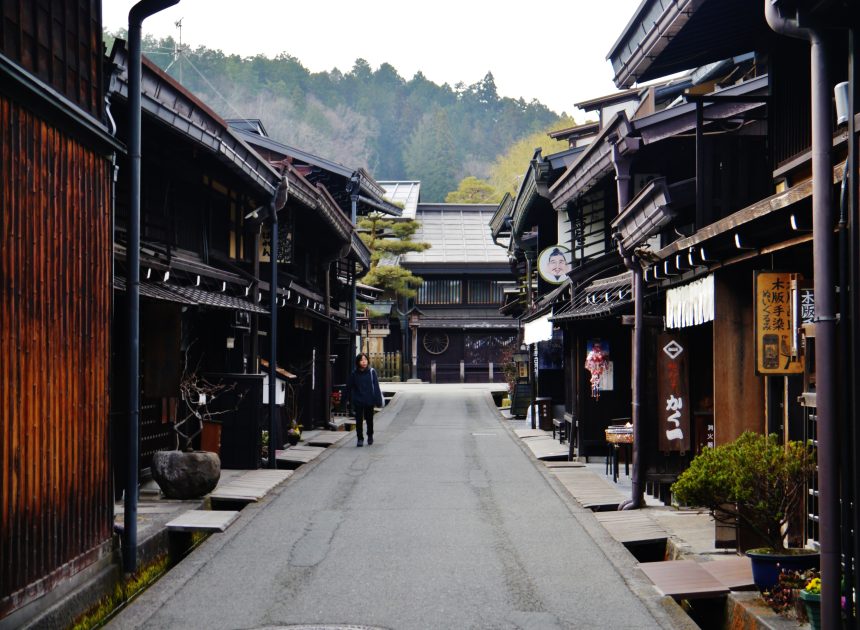
Nestled in the Japanese Alps, Takayama feels preserved rather than restored. Its old town features wooden merchant houses, sake breweries, and narrow streets that have changed little since the Edo period.
Unlike Kyoto’s temple-heavy experience, Takayama’s appeal lies in its domestic scale. This is not a city of grand monuments, but of everyday historical life. Morning markets along the river attract locals as much as visitors, and the town’s pace remains slow even during peak seasons.
Takayama is also a gateway to surrounding rural villages, making it ideal for travelers interested in regional Japan rather than a single destination.
Kurashiki: Canal-Side Calm and Merchant History
In western Japan, Kurashiki offers one of the country’s most atmospheric historic districts. The Bikan area, with its white-walled warehouses and willow-lined canals, reflects Japan’s mercantile past rather than its aristocratic or religious traditions.
Kurashiki’s streets are walkable, quiet, and free from the pressure of “must-see” attractions. Instead, the town rewards unstructured wandering—small museums, converted storehouses, and riverside cafés create a sense of continuity rather than spectacle.
The absence of crowds allows the town’s architecture and textures to speak for themselves, something increasingly rare in Kyoto’s busiest areas.
Kakunodate: Samurai Culture Without the Performance
Often overlooked by international travelers, Kakunodate is one of Japan’s best-preserved samurai towns. Its wide streets and intact residences offer an unusually honest view of feudal-era urban planning.
Unlike Kyoto’s more theatrical historical districts, Kakunodate feels resolutely local. Many samurai homes remain family-owned, and the town’s rhythms follow regional life rather than tourism schedules.
In spring, cherry trees lining the samurai quarter create one of Japan’s most striking seasonal scenes—without the density and restrictions found in Kyoto.
Why These Towns Feel More Rewarding Than Kyoto
The appeal of these destinations lies not in novelty, but in proportion. They offer what Kyoto once did: time, space, and immersion.
They share several advantages:
- Fewer tour groups and less congestion
- Historic districts that remain residential and functional
- Deeper engagement with local culture and crafts
- A pace that encourages observation rather than consumption
In these towns, tradition is not curated for volume—it is sustained through everyday use.
Rethinking “Essential” Japan
Kyoto remains historically important, but importance does not always equal enjoyment. As tourism concentrates ever more heavily in a handful of cities, some of Japan’s most meaningful experiences now exist elsewhere.
Kanazawa, Takayama, Kurashiki, and Kakunodate offer what many travelers hope to find in Kyoto: beauty without urgency, history without spectacle, and culture without crowds.
Final Thoughts: Go Where Tradition Still Breathes
Japan’s cultural depth is not confined to its most famous destinations. In fact, the country’s smaller historic towns often preserve atmosphere more faithfully than its global icons.
For travelers willing to look beyond Kyoto, these four towns offer a quieter, richer, and more human-scale encounter with traditional Japan—one where history feels lived in, not visited.