





Osaka Stunned by Anonymous Gift of Gold Bars
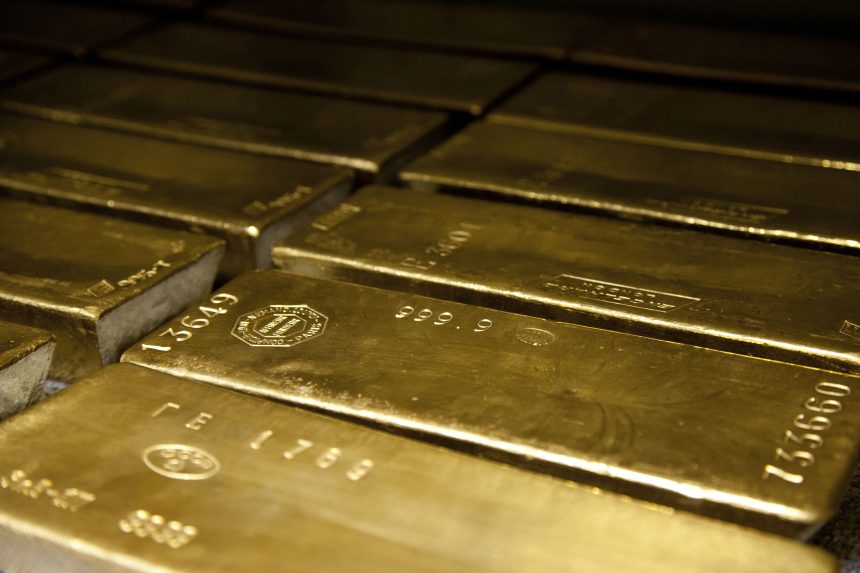
In an extraordinary act of generosity, the Japanese city of Osaka has received 21 kilograms of gold bars — worth approximately 560 million yen (about $3.6 million) — from a mystery benefactor who specified the funds be used to help repair the city’s ageing water infrastructure. The unusual donation was confirmed on 20 February 2026 by Osaka Mayor Hideyuki Yokoyama, who said the gift was made last November and that the city plans to respect the donor’s wishes.
Osaka, Japan’s third-largest city with nearly 2.8 million residents, is grappling with the challenge of maintaining and updating ageing water and sewage systems — a problem that has become more pressing in recent years as infrastructure laid down after World War II nears the end of its designed lifespan.
The Donation: Gold Bars with a Purpose
The anonymous donor’s gift consists of 21 kg (about 46 lbs) of pure gold bars, which the city intends to sell and convert into cash for use in waterworks projects, according to officials. Mayor Yokoyama described the contribution as “staggering” and said it underscores the substantial investment required to modernise essential utility infrastructure.
While the identity of the benefactor has not been publicly disclosed, city officials said the donor has remained committed to the specific purpose of improving Osaka’s water system — a network that, like those in many developed cities, faces wear and tear from decades of use.
The mayor also revealed that the same benefactor had previously made a smaller cash contribution — roughly 500,000 yen — to support the municipal waterworks bureau, indicating an ongoing philanthropic interest in the city’s utilities.
Aging Water Infrastructure: A Growing Concern
The generous donation highlights broader concerns about Japan’s infrastructure. City officials noted that in the 2024–25 fiscal year alone, Osaka recorded more than 90 cases of water pipe leaks under its roads, pointing to the deteriorating condition of underground networks that carry drinking water to residents.
These challenges are not unique to Osaka. Across Japan, a significant portion of water pipes — many installed during the post-war economic boom — have far exceeded their 40-year service life, increasing the risk of leaks, ruptures and related safety problems.
The pressure on municipal budgets has made comprehensive upgrades slow and difficult, prompting local authorities to prioritise urgent repairs and look for alternative funding. In 2024, the broader infrastructure challenge was underscored by a fatal sinkhole incident in Saitama Prefecture linked to a damaged sewer pipe, which tragically claimed the life of a truck driver.
How the City Will Use the Funds
Osaka officials said the gold will be sold, with the proceeds earmarked for repairing and upgrading critical sections of the city’s water system. This will help expedite work in areas where leaks and old pipes pose ongoing risks to public safety and service reliability.
The Osaka City Waterworks Bureau — responsible for ensuring safe, continuous water delivery — welcomed the contribution, noting that while large infrastructure projects typically rely on public financing, additional private funds can help bridge gaps and accelerate planned upgrades.
Public Reaction and Broader Implications
News of the gold donation quickly captured public interest, prompting curiosity about the donor’s motives and the implications of such an unconventional gift. Some commentators have speculated on the benefactor’s identity and reasons for remaining anonymous, while others have praised the act as an example of civic-minded philanthropy.
The episode also highlights the wider challenge faced by cities in developed nations: maintaining decades-old infrastructure amid budget constraints and competing priorities. In Osaka’s case, the unusual nature of the contribution has drawn attention to the pressing need for investment in utilities that underpin daily life.
While most infrastructure funding traditionally comes from government budgets or municipal bonds, Osaka’s unexpected gold gift may serve as a prompt for discussions about new funding mechanisms or partnerships between the public and private sectors.
Looking Ahead: Infrastructure Plans and Next Steps
With the gold sale and subsequent infusion of funds, Osaka’s leadership hopes to accelerate key waterworks projects that were previously limited by budgetary constraints. Officials said they will work closely with engineers, planners and community stakeholders to ensure the funds are put to effective use in improving reliability and safety.
The city also plans to increase transparency around the donation’s use to build public trust and demonstrate tangible results, such as reduced leaks and more resilient infrastructure.
As Osaka moves forward, municipal leaders hope the story will inspire broader conversations about urban resilience and the innovative ways communities can address critical infrastructure needs — even if the source of funding remains a mystery.