






Asia is home to some of the world’s most dramatic mountain landscapes, ranging from the planet’s highest peaks to volcanic ridges and tropical highlands. For hikers, the continent offers unparalleled variety — remote Himalayan trails, culturally rich pilgrimage routes, and accessible summits close to major cities. Whether seeking multi-day treks or challenging day hikes, Asia’s mountains provide both physical reward and deep cultural context.
Below are some of the best mountain and hiking destinations across the region, chosen for their natural beauty, accessibility, and overall experience.
Mount Fuji, Japan: Iconic and Accessible
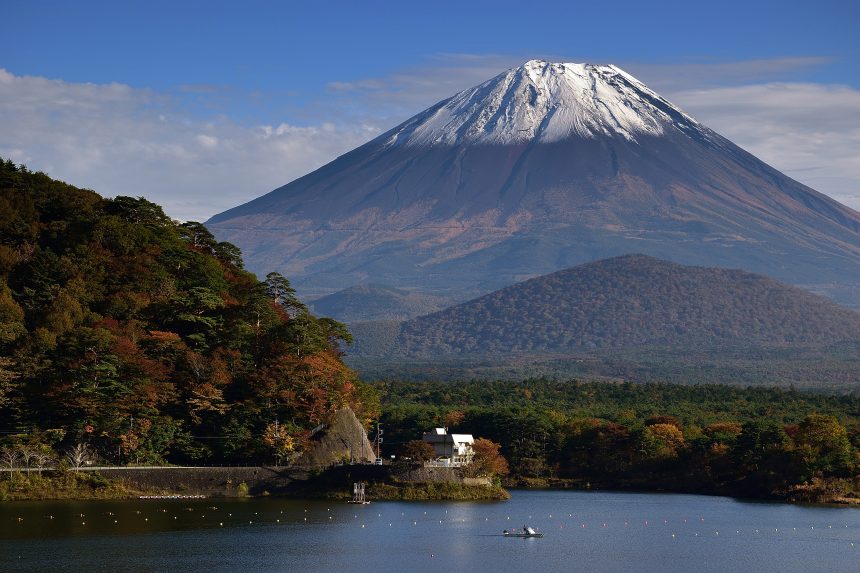
Mount Fuji is Japan’s most recognizable peak and one of Asia’s most climbed mountains. Standing at 3,776 meters, it offers a structured hiking season during the summer months, when trails are open and mountain huts operate.
The climb is non-technical but demanding due to elevation gain and altitude. Many hikers begin overnight to reach the summit at sunrise, a tradition that blends physical effort with cultural significance. Its accessibility from Tokyo makes it a practical choice for travelers with limited time.
Everest Base Camp, Nepal: Himalayan Immersion
Everest Base Camp remains one of the world’s most celebrated trekking routes. Rather than summiting Mount Everest, hikers journey through Sherpa villages, suspension bridges, and high-altitude valleys to reach base camp at over 5,000 meters.
The trek typically takes 12–14 days and requires acclimatization, but no technical climbing skills. Beyond scenery, the route offers deep cultural exposure to Himalayan Buddhist communities and dramatic views of surrounding peaks.
Mount Rinjani, Indonesia: Volcanic Drama
Mount Rinjani on Lombok Island is one of Southeast Asia’s most visually striking hikes. The multi-day trek leads hikers to the crater rim, where a turquoise lake sits inside the volcano caldera.
The terrain is steep and physically demanding, often requiring guided tours. However, the combination of volcanic landscape, sunrise views, and relative remoteness makes it a standout destination for adventurous hikers.
Annapurna Circuit, Nepal: Diversity in One Route
Annapurna Circuit offers one of the most diverse trekking experiences in Asia. The route crosses subtropical forests, alpine landscapes, and high mountain passes exceeding 5,400 meters.
Unlike shorter summit climbs, the Annapurna Circuit emphasizes cultural immersion and landscape variation. Tea houses along the route provide accommodation, making it accessible to independent trekkers with moderate preparation.
Mount Kinabalu, Malaysia: Short but Steep
Mount Kinabalu in Sabah, Malaysian Borneo, offers a high-altitude experience within a compact timeframe. At 4,095 meters, it is one of Southeast Asia’s tallest peaks.
The standard route is completed over two days, with an overnight stay before a pre-dawn summit push. The climb is steep but non-technical, attracting hikers who want altitude without committing to multi-week treks.
Zhangjiajie National Forest Park, China: Geological Spectacle
Zhangjiajie National Forest Park features towering sandstone pillars that rise dramatically from forested valleys. While not a traditional alpine trek, the park offers extensive hiking trails through one of Asia’s most surreal landscapes.
Well-developed pathways and cable cars make parts of the park accessible to a wide range of visitors, though longer trails reward those seeking quieter exploration.
Mount Fansipan, Vietnam: Roof of Indochina
Mount Fansipan stands at 3,147 meters and is Vietnam’s highest peak. Located near Sapa, it can be reached via multi-day trek or cable car, depending on preference.
Guided treks pass through terraced rice fields and mountain villages before ascending into forested terrain. The hike offers both cultural and scenic rewards, particularly during clear weather seasons.
Why Asia Appeals to Hikers
Asia’s mountain destinations offer advantages that extend beyond scenery. Many routes integrate cultural exchange, traditional lodging, and local guides, enriching the hiking experience.
Common strengths of Asia’s hiking destinations include:
- Diverse ecosystems within relatively short distances
- Strong cultural and spiritual context along trails
This combination of nature and heritage distinguishes many Asian treks from purely wilderness-based routes elsewhere.
Planning Considerations
Mountain conditions vary dramatically across Asia. Monsoon seasons, altitude risks, and permit requirements must be carefully considered. In some regions, hiring licensed guides is mandatory or strongly recommended.
Preparation should include understanding elevation profiles, weather patterns, and physical requirements. Many routes are accessible to moderately experienced hikers, but high-altitude treks demand proper acclimatization.
A Continent of Contrasts
From Himalayan giants to tropical volcanoes and sandstone forests, Asia’s mountains reflect the continent’s extraordinary geographic range. Hiking here is rarely just about reaching a summit; it is about moving through landscapes shaped by culture, history, and climate.