




Few cities in the world embody the collision of past and future as vividly as Shanghai. As China’s largest metropolis and a global financial hub, Shanghai presents a striking blend of colonial heritage, cutting-edge architecture, and vibrant cultural life.
For travelers and observers alike, the city offers more than just scale—it provides a living narrative of transformation. From historic neighborhoods to soaring skyscrapers, Shanghai reflects both centuries of tradition and the rapid pace of modern urban development.
A Skyline That Defines Modern China
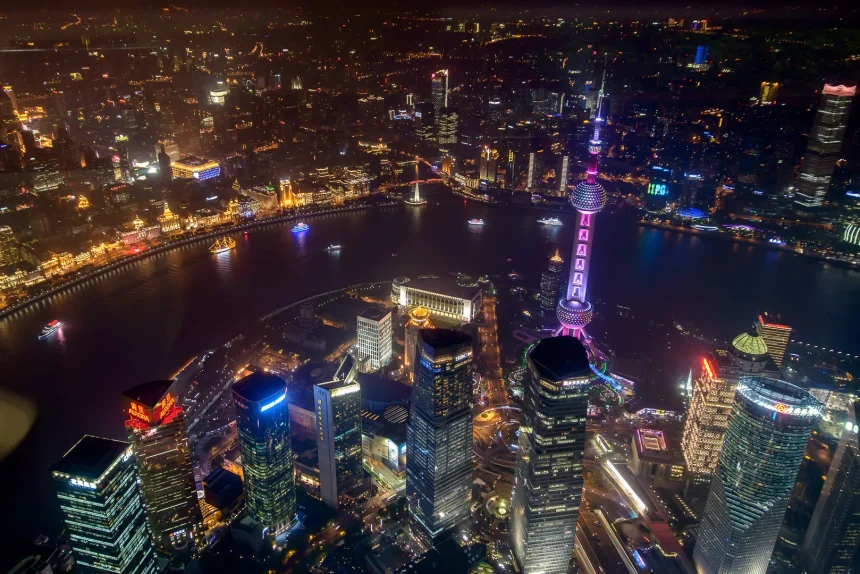
Shanghai’s skyline is among the most recognizable in the world, particularly in the district of Pudong. Once largely undeveloped, Pudong has transformed into a symbol of China’s economic rise.
The skyline is dominated by architectural landmarks such as the Oriental Pearl Tower and the towering Shanghai Tower, one of the tallest buildings globally.
Across the Huangpu River lies The Bund, a historic waterfront lined with colonial-era buildings that reflect the city’s past as an international trading port. The contrast between the Bund’s European architecture and Pudong’s futuristic skyline creates one of the most dramatic urban views in the world.
A City of Contrasts and Cultural Layers
Shanghai’s identity is shaped by its diverse cultural influences. Throughout the 19th and early 20th centuries, the city was home to multiple foreign concessions, which introduced Western architectural styles, business practices, and cultural traditions.
Today, neighborhoods such as French Concession preserve tree-lined streets, historic villas, and a distinctly European atmosphere. Meanwhile, traditional areas like Yuyuan Garden showcase classical Chinese design, complete with pavilions, ponds, and intricate landscaping.
This coexistence of cultures gives Shanghai a unique character that distinguishes it from other Chinese cities.
Innovation, Finance, and Global Influence
Shanghai is not only a cultural destination but also a major economic powerhouse. The city plays a central role in global finance, trade, and technology.
The Shanghai Stock Exchange is one of the largest stock exchanges in the world, underscoring the city’s financial importance. Multinational corporations, technology firms, and startups all operate within Shanghai’s rapidly evolving business landscape.
This economic dynamism has driven the city’s urban development, resulting in modern infrastructure, efficient public transportation, and a constantly changing skyline.
Culinary Diversity and Food Culture
Shanghai’s food scene reflects its cultural diversity and international connections. From traditional street food to high-end dining, the city offers an extensive range of culinary experiences.
Local specialties such as xiaolongbao (soup dumplings) are a must-try for visitors. These delicate dumplings, filled with broth and meat, are widely regarded as one of the city’s signature dishes.
In addition to local cuisine, Shanghai hosts restaurants representing flavors from across China and around the world, making it a major destination for food enthusiasts.
Urban Green Spaces and Waterfront Life
Despite its dense urban environment, Shanghai has invested in green spaces and public areas that provide relief from the city’s fast pace.
Parks, riverside promenades, and redeveloped waterfront areas along the Huangpu River offer opportunities for walking, cycling, and relaxation. These spaces reflect a growing emphasis on livability and environmental planning in one of the world’s largest cities.
The city’s waterfront developments, in particular, have become popular gathering places for both residents and tourists.
Getting Around the City
Navigating Shanghai is relatively straightforward thanks to its extensive public transportation system. The metro network is one of the largest in the world, connecting major districts, business areas, and tourist attractions.
Key advantages of Shanghai’s transport system include:
- Affordable and efficient metro services
- High-speed rail connections to other major Chinese cities
- Well-organized bus networks and ride-hailing services
- Modern infrastructure supporting large-scale urban mobility
These features make it easy for visitors to explore the city’s diverse neighborhoods.
Why Shanghai Stands Out Globally
Shanghai’s uniqueness lies in its ability to combine multiple identities within a single urban environment.
Key characteristics that define the city include:
- A blend of historical architecture and futuristic design
- A major role in global finance and commerce
- Cultural diversity shaped by international influences
- Continuous urban innovation and development
These elements position Shanghai as one of the most dynamic cities in the world.
A City Constantly Reinventing Itself
Shanghai’s story is one of constant evolution. Over the past century, it has transformed from a colonial trading port into a modern megacity that influences global economics and culture.
Yet despite its rapid development, the city continues to preserve elements of its past, allowing visitors to experience both tradition and modernity within the same urban landscape.
For travelers, Shanghai offers more than just iconic landmarks—it provides insight into the forces shaping contemporary urban life. Its unique combination of history, innovation, and cultural diversity ensures that it remains one of the most fascinating cities in Asia and beyond.