





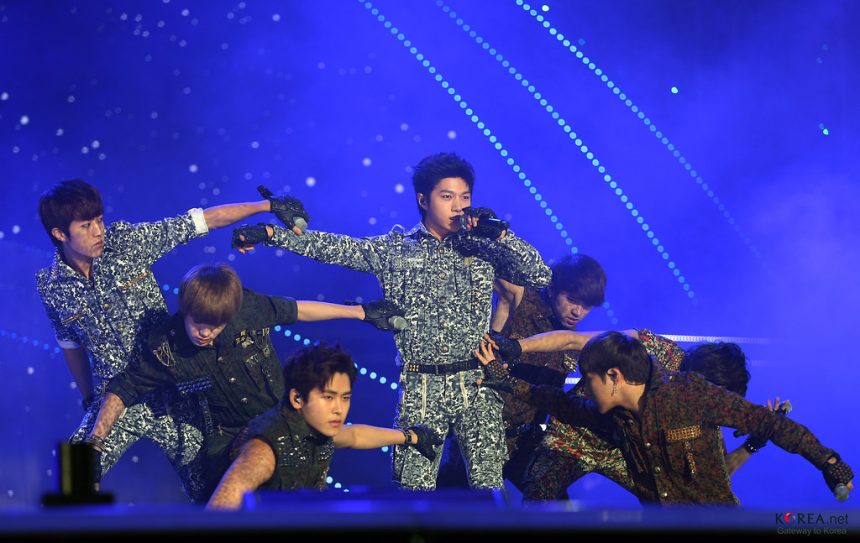
K-pop, or Korean pop music, has transcended cultural and linguistic barriers to become a global phenomenon. With infectious rhythms, elaborate visuals, and an unmatched fan culture, K-pop has captured the hearts of millions around the world. Here’s a look at how this vibrant genre rose to global prominence, the key players behind its success, and the impact it’s having worldwide.
The Origins of K-Pop: From Local Roots to Global Aspirations
K-pop traces its origins back to the 1990s, with the formation of South Korea’s first-generation pop groups. The debut of groups like H.O.T. and Seo Taiji and Boys marked a new era in Korean music, blending Western pop influences with Korean culture. Over time, the genre evolved with each new “generation” of K-pop, adapting styles and expanding audiences.
First-Generation K-Pop: Breaking New Ground
The first wave of K-pop focused mainly on domestic audiences, with catchy pop melodies and synchronized choreography. These early groups laid the foundation for K-pop as we know it, with major companies like SM Entertainment and YG Entertainment shaping the genre’s development.
Second and Third Generations: Expanding Internationally
By the 2000s and 2010s, K-pop groups like Super Junior, BIGBANG, and Girls’ Generation began targeting international markets. Social media, especially YouTube, played a crucial role in spreading K-pop’s popularity, allowing fans from around the world to discover new music. The third-generation groups, such as EXO, TWICE, and BTS, expanded this reach even further, captivating fans in North and South America, Europe, and beyond.
BTS and BLACKPINK: The Global Icons of K-Pop
No discussion of K-pop’s global success is complete without mentioning BTS and BLACKPINK, two groups that have become synonymous with the genre’s international appeal. These artists are not only known for their music but have also become cultural icons who influence fashion, lifestyle, and social causes.
BTS: Redefining Global Success
BTS, under Big Hit Entertainment, has broken records worldwide, from topping the Billboard charts to being the first K-pop group to perform at major U.S. award shows. Known for their powerful lyrics on themes like mental health, self-love, and social issues, BTS has built a deep connection with fans, known as ARMY, who have become a driving force behind the group’s success.
BLACKPINK: Bridging East and West
BLACKPINK, under YG Entertainment, has taken K-pop’s girl group image to new heights, collaborating with global stars like Lady Gaga and Selena Gomez. With their edgy style, powerful choreography, and bilingual songs, BLACKPINK has a massive international following, known as BLINKs, and has become the first K-pop girl group to perform at Coachella.
The Role of Social Media and Technology in K-Pop’s Growth
Social media has been instrumental in K-pop’s rise, allowing fans to interact with their idols and consume content in unprecedented ways. Platforms like YouTube, Instagram, and Twitter have become essential tools for both promotion and fan engagement, fueling K-pop’s worldwide popularity.
YouTube: The Game-Changer
YouTube is the primary platform where K-pop reaches global audiences. Music videos are produced with high production values and elaborate visuals, often gaining millions of views within hours of release. Songs like “Gangnam Style” by PSY and BTS’s “Dynamite” broke YouTube records, bringing K-pop into the mainstream worldwide.
Fan Engagement on Social Media
K-pop agencies and idols maintain an active presence on platforms like Twitter, TikTok, and Weverse, allowing fans to connect with their favorite artists in real time. These platforms create a sense of community, enabling fans to share content, organize streaming parties, and participate in fan-driven campaigns, amplifying K-pop’s reach.
The Unique Fan Culture: Power of the Fandom
K-pop fandoms are a key part of the genre’s global success. Fans are highly organized, forming communities that support their favorite groups through streaming, voting, and even charity projects. Fandoms like BTS’s ARMY and BLACKPINK’s BLINKs are known for their dedication, contributing to the groups’ success on a global scale.
Fan-Driven Promotions
Fans are often involved in promoting their favorite groups by streaming songs, voting in awards shows, and organizing fan events. This engagement has helped K-pop groups consistently rank high on international charts, even in markets where K-pop isn’t traditionally mainstream.
Charitable Impact of Fandoms
K-pop fandoms are also known for their philanthropy, frequently organizing fundraising campaigns for social causes in the name of their favorite idols. BTS’s ARMY, for example, has raised funds for various causes, including mental health initiatives and global humanitarian efforts, amplifying the positive impact of the genre.
K-Pop’s Impact on Fashion and Lifestyle
K-pop’s influence extends beyond music, impacting fashion, beauty, and lifestyle trends worldwide. K-pop idols often serve as brand ambassadors for major fashion and beauty brands, creating trends that resonate globally.
Fashion and Brand Collaborations
Idols like G-Dragon, Lisa (BLACKPINK), and Jennie (BLACKPINK) are known for their unique style and have collaborated with brands like Chanel, Celine, and Adidas. This visibility has brought Korean fashion and beauty standards to a global audience, with fans emulating their idols’ styles.
The Korean Wave (Hallyu) and Pop Culture
K-pop is a major part of the Korean Wave, or Hallyu, which encompasses K-dramas, beauty products, and food. As interest in K-pop grows, so does global curiosity about other aspects of Korean culture, creating a wave of cultural exchange that has turned South Korea into a global cultural powerhouse.
The Future of K-Pop: Expanding Horizons
As K-pop continues to grow, the genre is evolving and diversifying, with more groups and solo artists making their mark internationally. Companies are now debuting multi-national groups, targeting specific markets, and exploring genres outside of traditional pop.
Multi-National Groups and Targeted Expansion
Groups like NCT and (G)I-DLE include members from various countries, making K-pop more accessible to global audiences. Companies are also forming subunits to cater to specific regions, with groups like NCT 127 and WayV focusing on different markets, including the U.S. and China.
New Technologies and Virtual Concerts
The future of K-pop is likely to involve even more technology, with virtual concerts and augmented reality performances becoming more common. K-pop agencies are investing in metaverse experiences, allowing fans to interact with digital avatars of their favorite idols, creating new ways to enjoy and experience the music.
Conclusion: K-Pop’s Lasting Impact on Global Culture
The rise of K-pop demonstrates the power of music to cross borders and connect people worldwide. With its catchy melodies, dynamic visuals, and dedicated fan culture, K-pop has become a global phenomenon that continues to shape the music industry, fashion, and pop culture. As K-pop evolves, its influence is likely to grow, cementing South Korea’s place as a leader in global entertainment and cultural innovation.
Also learn about Artificial Intelligence in China: How Tech is Shaping Daily Life.