





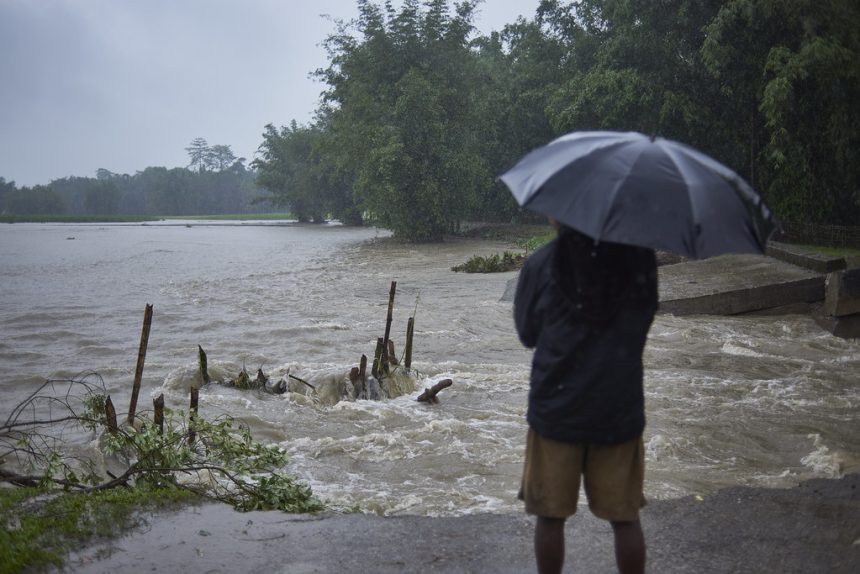
Asia, home to over half the world’s population, is confronting some of the most severe impacts of climate change. From escalating heatwaves to rising sea levels, the continent faces multifaceted challenges that threaten livelihoods, economies, and ecosystems. Yet, amidst these adversities, nations across Asia are pioneering innovative adaptation strategies to build resilience and safeguard their futures.
Scorching Temperatures: The New Normal
In April 2025, India and Pakistan experienced unprecedented heatwave conditions unusually early in the year. Delhi recorded temperatures exceeding 40°C, while regions in Pakistan, such as Shaheed Benazirabad, reached a staggering 50°C—8.5°C above average. Experts attribute this early and intense heat largely to human-driven climate change, marking it as the “new normal.” Urban areas like Delhi and Islamabad are particularly affected due to the urban heat island effect, where concrete and asphalt retain heat, exacerbating temperature rises. Authorities have issued emergency guidelines, but infrastructure and preparedness remain insufficient. Climate scientists warn that adaptation is becoming increasingly unaffordable for many nations, emphasizing the need for drastic emission reductions and improved climate resilience measures.
Coastal Cities on the Brink
Rising sea levels pose a significant threat to Asia’s coastal metropolises. Jakarta, Indonesia’s capital, is sinking at an alarming rate due to excessive groundwater extraction and is projected to be heavily affected by tidal flooding by 2050. The Indonesian government has initiated plans to relocate the capital to mitigate these risks. Similarly, cities like Mumbai, Dhaka, Bangkok, Ho Chi Minh City, and Shanghai are at risk of submersion by mid-century, endangering nearly a billion people in the Asia-Pacific region.
Nature-Based Solutions: Embracing ‘Sponge Cities’
To combat urban flooding, several Asian cities are adopting the “sponge city” concept, which focuses on enhancing the landscape’s ability to absorb and retain water. This approach involves integrating permeable surfaces, green spaces, and constructed wetlands to manage stormwater, reduce surface runoff, and mitigate flood risks. Cities like Sanya in China have successfully implemented these strategies, and others, including Karachi in Pakistan, are following suit with projects like the “Climate Smart Eco-Streets”.
Community-Led Adaptation: The Philippine Ecotown Model
In the Philippines, the government has introduced the Ecotown Demonstration Framework, aiming to develop ecologically sound and economically resilient towns. These “ecotowns” are planned around biodiversity hotspots and protected areas, focusing on sustainable practices such as organic farming, coral rehabilitation, and community-based forest management. The municipality of San Vicente in Palawan serves as a successful example, having implemented various adaptation measures to enhance resilience against climate change impacts.
Financing the Future: The Role of Adaptation Finance
Building climate resilience requires substantial financial investment. Adaptation finance plays a crucial role in supporting infrastructure projects, community initiatives, and technological innovations aimed at mitigating climate risks. By allocating funds towards climate-resilient infrastructure, early warning systems, and sustainable practices, countries can better prepare for and respond to the adverse effects of climate change.
Conclusion: A Collective Effort Towards Resilience
Asia stands at the forefront of climate change challenges, facing a complex interplay of rising temperatures, sea-level threats, and extreme weather events. However, through a combination of innovative urban planning, community engagement, and strategic financing, the region is actively forging pathways toward a more resilient and sustainable future. Continued collaboration, investment, and commitment are essential to ensure that Asia not only adapts to the changing climate but also thrives amidst its challenges.