




Coffee culture in Southeast Asia is as much about history and identity as it is about caffeine. While global conversations often focus on espresso traditions or third-wave cafés, Vietnamese and Thai coffee represent two distinct paths shaped by colonial influence, local agriculture, and evolving consumer tastes.
In this in-depth comparison, we explore how coffee in Vietnam and Thailand differs—from beans and brewing to flavor profiles and cultural rituals—and what those differences mean for coffee drinkers today.
Historical Roots: How Coffee Took Hold
Vietnam: Coffee as a National Staple
Coffee arrived in Vietnam in the mid-19th century through French colonial influence. What began as an imported habit eventually became a cornerstone of daily life. Today, Vietnam is the second-largest coffee producer in the world, with production heavily focused on Robusta beans.
Coffee in Vietnam is not a luxury item—it is an everyday necessity. Sidewalk cafés in cities like Hanoi and Ho Chi Minh City are active from early morning until late evening, serving strong, inexpensive coffee to all generations.
Thailand: Coffee as a Regional and Modern Craft
Thailand’s coffee story is more recent and more fragmented. While coffee was introduced earlier, it gained real momentum in the late 20th century, particularly in the northern highlands around Chiang Mai. Government crop-substitution programs encouraged coffee farming as an alternative to opium cultivation.
Unlike Vietnam’s mass-production model, Thai coffee culture developed along two parallel tracks: traditional street coffee and a rapidly expanding specialty café scene influenced by global trends.
Beans and Agriculture: Robusta vs. Arabica
Vietnamese Coffee Beans
Vietnam’s coffee industry is dominated by Robusta, a bean known for:
- Higher caffeine content
- Pronounced bitterness
- Earthy, chocolate-forward notes
Robusta thrives in Vietnam’s climate and supports high-yield farming, making coffee affordable and widely accessible. While Arabica is grown in select regions such as Da Lat, Robusta remains the backbone of Vietnamese coffee culture.
Thai Coffee Beans
Thailand, by contrast, is best known for Arabica production in its northern regions. Thai Arabica is often:
- More aromatic
- Lower in caffeine
- Brighter, with higher acidity
Southern Thailand does produce Robusta, but the country’s international reputation increasingly rests on its specialty Arabica and small-batch roasters.
Brewing Methods: Tradition Shapes Taste
Vietnamese Brewing Style
Vietnamese coffee is most commonly brewed using the phin filter, a small metal dripper that allows for slow, concentrated extraction.
Popular Vietnamese coffee styles include:
- Cà phê sữa đá – iced coffee with sweetened condensed milk
- Cà phê đen – strong black coffee
- Egg coffee – hot coffee topped with a creamy egg-based foam
This method produces a dense, bold cup meant to be enjoyed slowly.
Thai Brewing Style
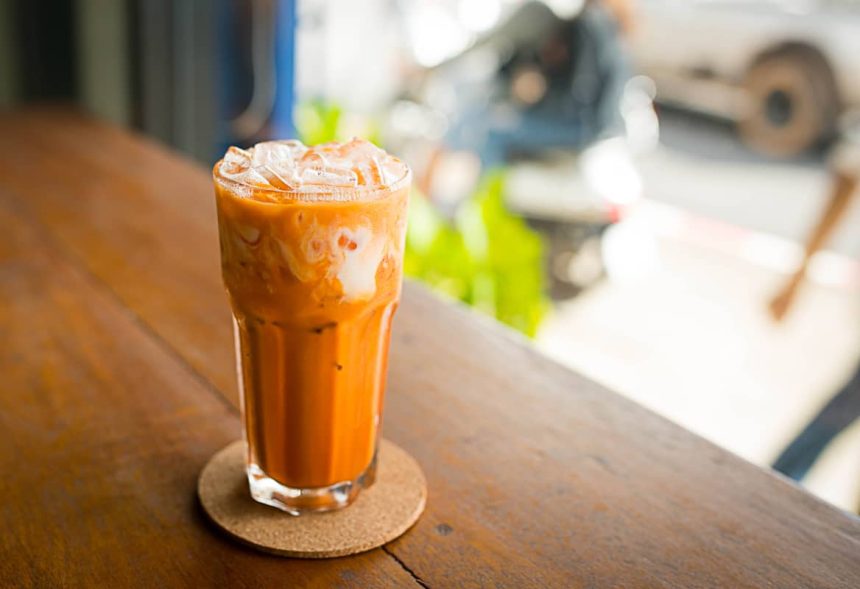
Traditional Thai coffee is often prepared using a cloth filter, resulting in a lighter body and smoother texture. Thai iced coffee typically incorporates sugar, condensed milk, and sometimes spices.
Common Thai coffee styles include:
- Oliang – a dark, roasted blend sometimes mixed with grains
- Thai iced coffee – sweet, milky, and designed for hot climates
In urban centers, espresso machines and pour-over brewing now exist alongside these traditional methods.
Flavor Profiles: Strength vs. Balance
Vietnamese Coffee Flavor
Vietnamese coffee is intentionally intense, characterized by:
- Heavy body
- Strong bitterness balanced with sweetness
- A long, lingering finish
Condensed milk plays a crucial role, softening Robusta’s sharp edges and defining the signature taste.
Thai Coffee Flavor
Thai coffee generally emphasizes balance and refreshment:
- Lighter mouthfeel
- Softer bitterness
- Greater focus on drinkability
Specialty cafés in Thailand increasingly highlight origin characteristics, clean finishes, and nuanced acidity.
Coffee Culture and Daily Rituals
Vietnam: Coffee as Social Infrastructure
In Vietnam, coffee shops function as extensions of public life. Sidewalk seating, narrow alleys, and small cafés become spaces for conversation, work, and observation.
Coffee is consumed slowly and repeatedly throughout the day, reinforcing its role as a social constant rather than a quick stimulant.
Thailand: Coffee as Lifestyle Expression
In Thailand, coffee culture reflects diversity. Street vendors serve commuters seeking speed and sweetness, while contemporary cafés cater to younger generations and tourists.
Coffee consumption is often:
- Climate-driven and seasonal
- Closely tied to café aesthetics
- Influenced by tourism and urban trends
Key Differences at a Glance
- Beans: Vietnam prioritizes Robusta; Thailand emphasizes Arabica
- Strength: Vietnamese coffee is stronger and more concentrated
- Sweeteners: Condensed milk is central in both, but especially in Vietnam
- Brewing: Phin filter versus cloth filter and espresso
- Culture: Daily necessity versus evolving lifestyle trend
Final Verdict: Which Coffee Is Better?
There is no definitive winner—only different philosophies.
Vietnamese coffee is built on strength, tradition, and consistency, offering bold flavors rooted in daily ritual. Thai coffee reflects balance, flexibility, and innovation, blending heritage with modern café culture.
For coffee drinkers, understanding these differences deepens appreciation. Whether drawn to the powerful intensity of Vietnamese coffee or the smoother versatility of Thai coffee, both traditions demonstrate how culture, climate, and history shape what ends up in the cup.