





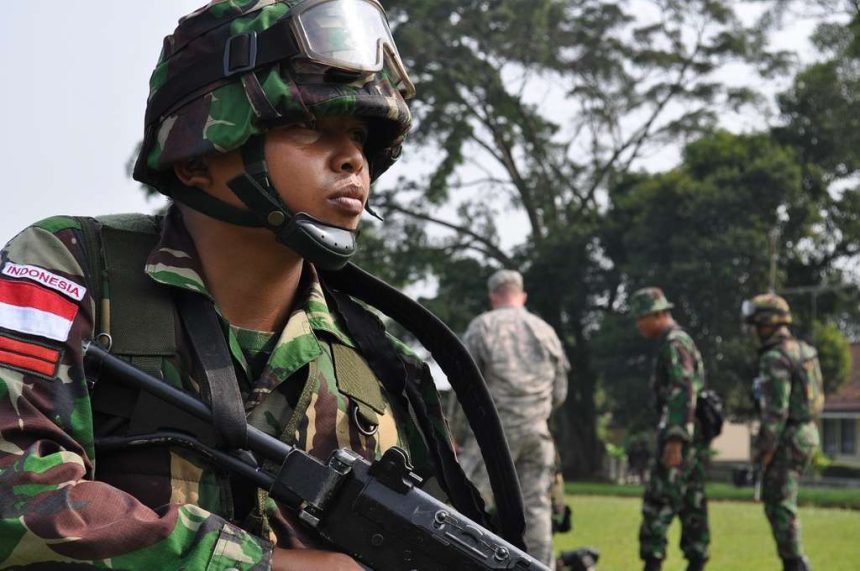
Jakarta is preparing for the possible deployment of thousands of troops to the Gaza Strip in support of a U.S.-backed peace and stabilisation effort tied to former U.S. President Donald Trump’s peace plan. If realised, the move would mark a significant shift in Indonesia’s foreign policy and its role in one of the world’s most protracted conflicts — placing the world’s largest Muslim-majority nation at the centre of efforts to stabilize Gaza after years of war and humanitarian crisis.
Scope and Status of Proposed Deployment
Indonesian military leaders have said they are preparing between 5,000 and 8,000 troops for a potential peacekeeping mission in Gaza, though details on the final number, mandate and timetable remain in negotiation. The troops would be part of an international stabilisation force envisioned to support the post-conflict transition in the territory, currently overseen under a ceasefire framework endorsed by the United Nations.
General Maruli Simanjuntak, Indonesia’s army chief of staff, told reporters that the planning phase is underway, with a focus on training units that could fulfil humanitarian, engineering and reconstruction roles as part of the mission. However, he stressed that specifics — including deployment schedules, exact troop numbers and areas of operation — have yet to be finalised.
Context: Trump’s Peace Plan and the International Stabilisation Force
The proposed Indonesian deployment is linked to a U.S.-brokered peace plan for Gaza, originally outlined by Trump and supported through a framework designating an International Stabilisation Force (ISF) to help oversee security and reconstruction in the aftermath of conflict. Under the peace plan’s Phase II arrangements, the ISF would work alongside local Palestinian institutions and an interim administration to maintain order, enable humanitarian access and assist in stabilisation tasks.
Indonesia would be the first country to publicly pledge specific troop numbers to the force, although several nations have been discussed as potential contributors. Analysts note that the ISF’s mandate remains somewhat vague and subject to negotiation with key parties, including the United Nations, regional actors and the parties directly involved in the Gaza conflict.
Jakarta’s Foreign Policy Calculus
For Indonesia’s President Prabowo Subianto, the proposal represents both an opportunity and a diplomatic gamble. Jakarta has long championed Palestinian statehood and humanitarian support, reflecting deep public sentiment and the nation’s broader foreign policy orientation. Indonesia does not have diplomatic relations with Israel, and participation in a Gaza peacekeeping mission carries significant political and strategic implications.
Prabowo previously signalled Indonesia’s willingness to contribute a much larger force — up to 20,000 troops — to peacekeeping efforts in Gaza and other conflict zones, though current plans are more modest in scale and contingent upon a clear international mandate.
By engaging with the U.S.-led peace initiative and potentially joining Trump’s so-called “Board of Peace”, Indonesia aims to elevate its international diplomatic profile and influence negotiations over future governance and security arrangements in Gaza.
Domestic and Regional Reactions
The prospect of sending Indonesian troops abroad in such a sensitive context has provoked mixed reactions at home. Some commentators and civil society groups express concern that participation in a peacekeeping operation under a U.S. framework may appear to compromise Jakarta’s longstanding support for Palestinian sovereignty, particularly if the mission’s objectives become entangled with broader geopolitical rivalries.
Islamic organisations and foreign policy voices within Indonesia have also weighed in, cautioning that Jakarta should ensure that any mission aligns with humanitarian imperatives and does not stray into combat or enforcement roles that might undermine its principles.
Across the region, opinions vary on Indonesia’s prospective contribution. Some observers argue that participation of a Muslim-majority nation in Gaza stabilisation efforts could lend greater legitimacy to peace initiatives and help bridge gaps between local communities and international actors. Others warn that political and security risks remain high, given the unresolved tensions and sporadic violence in the enclave.
Operational Preparations and Challenges
Indonesian military officials have begun screening and training troops for roles suited to peacekeeping — especially units specialising in engineering, medical support and humanitarian assistance — to prepare them for the logistical and operational complexities of deployment.
However, the absence of a finalised United Nations mandate and the lack of clarity on the peace force’s legal framework pose significant hurdles. Military planners have emphasised that deployment will only proceed once international legal and operational parameters are agreed upon, ensuring protection for forces and compliance with international law.
Potential Strategic Impact
Should the deployment materialise, it would be historic: Indonesian forces would become the first foreign military presence in Gaza since 1967, playing a role in stabilisation and humanitarian support. This could shift regional dynamics and influence how the post-conflict phase unfolds, particularly if other nations join the ISF in the future.
For Jakarta, participation is intended not only as a peace contribution but also as a means to assert Indonesia’s diplomatic weight on the global stage. How the mission is perceived by Palestinian communities, neighbouring countries and major powers — including the United States and Middle Eastern states — will have lasting implications for Indonesia’s role in global peace operations.
Looking Ahead: Next Steps and International Coordination
Officials in Jakarta are awaiting further consultations and formal international agreements before any deployment order is issued. Indonesian President Prabowo has been invited to attend a Board of Peace meeting in Washington later this month, which could clarify Indonesia’s role and offer a platform for negotiating troop contributions and mission parameters.
As preparations continue, Indonesia faces the dual challenge of balancing domestic political considerations, public support and strategic interests with the complexities of operating within one of the world’s most volatile regions. How Jakarta navigates these sensitivities will shape its contribution to peace efforts — and its broader foreign policy legacy — in the months and years ahead.