





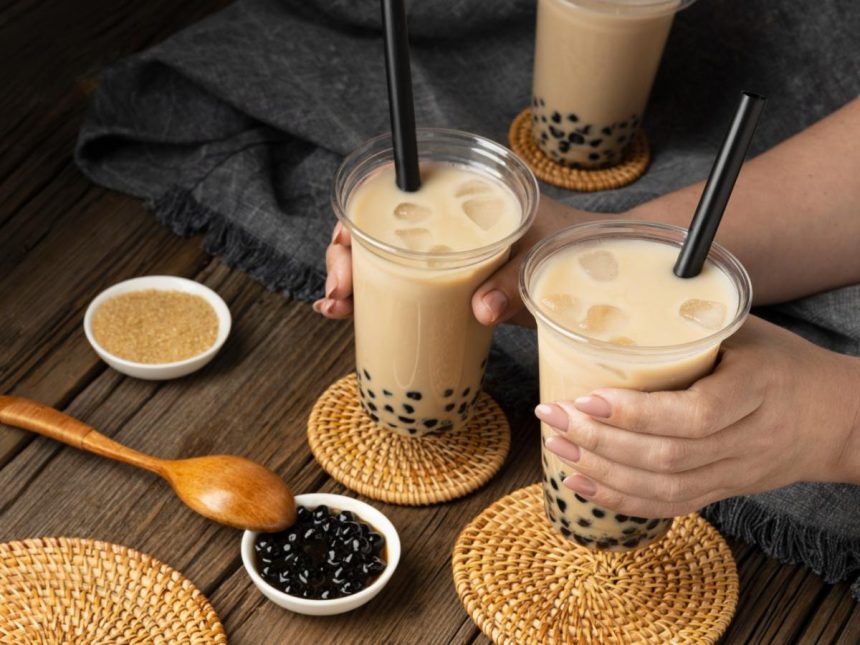
What began as a sweet, textural beverage sold in modest tea shops has evolved into something far more influential. Bubble tea—once defined simply by milk tea and tapioca pearls—has transformed into a global lifestyle brand, shaping how young consumers socialize, express identity, and engage with urban culture.
Across cities worldwide, bubble tea shops now function less like cafés and more like cultural hubs. The drink remains central, but it is no longer the product. The experience is.
From Functional Beverage to Cultural Symbol
Bubble tea’s early appeal was sensory: chewiness, sweetness, customization. But its modern success lies in symbolism. For many consumers—particularly Gen Z and younger millennials—bubble tea represents leisure, personalization, and community rather than refreshment alone.
Unlike traditional coffee culture, which often emphasizes productivity and routine, bubble tea culture centers on intentional indulgence. It is something you choose rather than need. That distinction has allowed bubble tea to occupy a different emotional and social space.
Design, Aesthetics, and the Instagram Effect
Packaging as Identity
Modern bubble tea brands invest heavily in visual language. Cup design, typography, color palettes, and store interiors are engineered for instant recognition and shareability.
Minimalist logos, pastel tones, and playful mascots turn each drink into a branded object—something meant to be seen as much as consumed. This visual consistency has helped bubble tea migrate seamlessly onto social platforms, where the cup itself becomes part of personal expression.
The result is a product that functions simultaneously as:
- A beverage
- A fashion accessory
- A social signal
Holding a bubble tea cup communicates taste, mood, and belonging in ways few other drinks do.
Customization as a Core Value
One of bubble tea’s most powerful differentiators is radical customization. Sugar level, ice level, tea base, milk type, toppings—each order becomes a personal configuration.
This mirrors broader consumer trends toward individuality and control. In an era where algorithms define much of daily life, bubble tea offers manual authorship over a small but satisfying choice.
Customization also reinforces loyalty. When consumers “build” a drink that feels uniquely theirs, the brand relationship becomes emotional rather than transactional.
Bubble Tea Shops as Social Infrastructure
More Than a Place to Drink
Bubble tea spaces are designed for lingering. Comfortable seating, bright lighting, music, and open layouts encourage conversation and group visits. These shops often replace cafés, bars, or fast-food restaurants as default meeting points—especially in dense urban areas.
Importantly, bubble tea shops are inclusive by design. They are:
- Alcohol-free
- Age-neutral
- Culturally hybrid
This accessibility allows them to serve as social anchors across demographics, from students to young professionals.
The Shift From Food Brand to Lifestyle Brand
Bubble tea’s evolution mirrors that of other products that transcended utility—sneakers, streetwear, even coffee. The most successful bubble tea brands now sell a worldview, not just a menu.
This includes:
- Merchandise such as reusable cups and apparel
- Seasonal “drops” and limited flavors
- Collaborations with artists, designers, or pop culture franchises
The drink becomes an entry point into a broader ecosystem of identity and belonging.
Why Bubble Tea Resonates With Younger Consumers
The rise of bubble tea as a lifestyle brand aligns closely with generational shifts in consumption. Younger consumers tend to prioritize:
- Experience over ownership
- Visual storytelling
- Brands that feel participatory rather than authoritative
Bubble tea fits neatly into this framework. It is affordable, photogenic, customizable, and socially oriented—qualities that make it easy to integrate into daily life without long-term commitment.
Two Ways Bubble Tea Signals Lifestyle, Not Just Taste
- Ritualization: Bubble tea is consumed as a deliberate break—after class, during shopping, or as a social pause—rather than as a default habit.
- Cultural Fluency: Knowing flavors, sugar ratios, and topping combinations functions as a form of cultural literacy within peer groups.
In this sense, bubble tea operates similarly to fashion or music: a shared language that signals alignment.
What This Means for the Future of Food Brands
Bubble tea’s transformation suggests a broader shift in how food and beverage brands compete. Flavor and price still matter, but they are no longer sufficient. Brands that succeed are those that embed themselves into daily routines, aesthetics, and social behavior.
As consumers increasingly seek meaning and identity through what they consume, bubble tea offers a blueprint: start with a simple product, then build a culture around it.
Final Thoughts: Drinking the Brand
Bubble tea is no longer just something you drink—it is something you participate in. Its rise from niche beverage to lifestyle marker reflects changing relationships between consumers and brands, especially among younger generations.
In a crowded global food landscape, bubble tea has managed to do what many products cannot: turn a moment of consumption into a statement of identity. And in doing so, it has proven that even the simplest pleasures can become cultural platforms when design, community, and emotion align.