





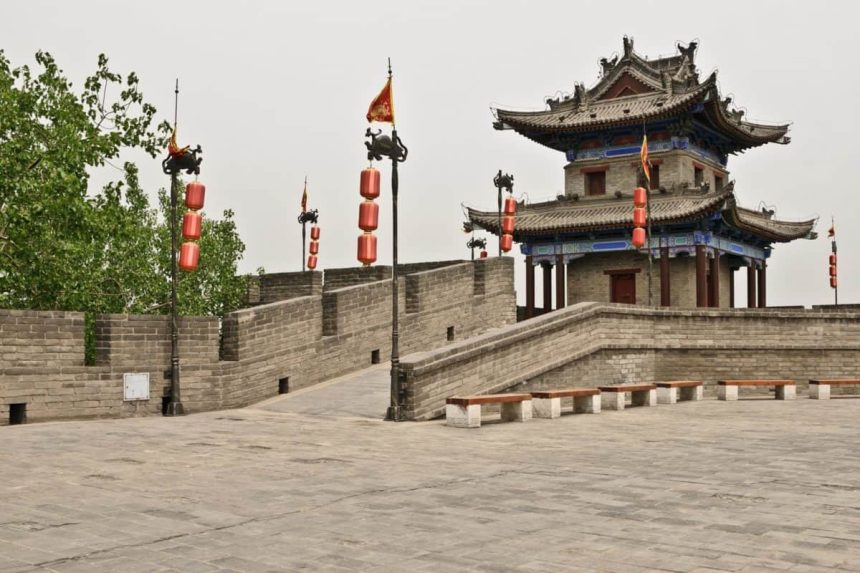
The question of whether Asia or Europe is better for travel has no universal answer — but it remains one of the most common comparisons among travelers planning their next journey. Both regions offer extraordinary diversity, deep history, and globally influential cultures. Yet they deliver fundamentally different travel experiences, shaped by geography, economics, infrastructure, and social norms.
Choosing between Asia and Europe depends less on ranking destinations and more on understanding what kind of travel experience you value most.
Cultural Density vs Cultural Distance
Europe’s appeal lies in its cultural density. Within a few hours of travel, visitors can move between countries with different languages, cuisines, and architectural traditions. Borders are close, histories intertwined, and cultural shifts occur rapidly over short distances.
Asia, by contrast, offers cultural distance rather than density. Traveling between regions often involves deeper contrasts — not just in language and food, but in social norms, religion, and daily rhythms. The adjustment required can be greater, but so can the sense of discovery.
Europe feels familiar more quickly; Asia often feels transformative more slowly.
Cost and Budget Flexibility
Budget is one of the clearest differentiators between the two regions. Asia generally offers greater flexibility for travelers seeking long stays or lower daily expenses. Accommodation, food, and local transportation in many Asian countries remain affordable without sacrificing quality.
Europe, while offering excellent infrastructure, tends to be more expensive overall. Western and Northern Europe in particular can strain budgets, especially during peak seasons. Eastern and Southern Europe provide better value, but costs still tend to exceed those in much of Asia.
Travelers prioritizing affordability and extended stays often find Asia more accommodating.
Infrastructure and Ease of Movement
Europe excels in transportation efficiency. High-speed trains, open borders within the Schengen Area, and well-integrated public transit systems make moving between cities and countries relatively seamless.
Asia’s infrastructure varies widely. Some regions rival or surpass Europe in efficiency, while others require patience and flexibility. Long distances, varied transport standards, and language barriers can complicate travel — but also encourage slower, more immersive journeys.
Europe favors speed and predictability; Asia rewards adaptability.
Food Culture and Daily Life
Both regions are global culinary powerhouses, but they differ in how food integrates into daily travel. In Europe, dining is often structured — set meal times, seated service, and a clearer divide between eating and moving.
In much of Asia, food is constant and informal. Street stalls, night markets, and casual eateries blur the line between meals and daily life. Eating becomes part of movement rather than a pause from it.
Many travelers find Asia’s food culture more accessible and spontaneous, while Europe’s offers ritual and refinement.
Language and Cultural Navigation
Language accessibility tends to be easier in Europe, particularly in tourist areas where English is widely spoken. Cultural norms are also more aligned across countries, reducing friction for first-time visitors.
Asia can present steeper learning curves. Language barriers are more common, and cultural expectations vary significantly between regions. However, these challenges often lead to more meaningful interactions and memorable experiences.
Travelers seeking comfort may prefer Europe; those seeking challenge often gravitate toward Asia.
Pace of Travel and Personal Experience
Europe supports fast, itinerary-driven travel. It is well-suited to short trips packed with landmarks, museums, and city-hopping. The infrastructure encourages efficiency and maximization.
Asia often encourages slower travel. Distances, climate, and cultural rhythms make rushed itineraries less satisfying. Many travelers stay longer in fewer places, building familiarity rather than collecting highlights.
This difference shapes how journeys are remembered — as achievements or as experiences.
Key contrasts between the two regions include:
- Europe emphasizes accessibility, structure, and historical continuity
- Asia emphasizes immersion, contrast, and experiential depth
Safety, Comfort, and Predictability
Both Asia and Europe are generally safe for travelers, though safety is experienced differently. Europe’s predictability — signage, systems, and regulations — provides reassurance. Asia’s safety often comes from social norms and hospitality rather than formal structure.
Comfort in Europe is immediate; comfort in Asia is learned. For many travelers, that learning becomes part of the reward.
So, Which Is Better?
Asia and Europe are not competitors in a zero-sum comparison. They serve different travel needs at different moments in a traveler’s life. Europe excels at efficient exploration and cultural concentration. Asia excels at immersion, affordability, and personal transformation.
The better choice depends on what you seek: familiarity or contrast, structure or fluidity, speed or depth.
Ultimately, the most meaningful answer may be this: Europe is ideal when you want to understand the world; Asia is ideal when you want to understand yourself within it.