




Asia is home to some of the most advanced and efficient public transportation systems in the world. With rapidly growing urban populations and dense metropolitan areas, many Asian cities have invested heavily in modern transit networks that allow residents and visitors to move quickly, affordably, and conveniently without relying on private cars.
For travelers, cities with reliable public transport offer a significant advantage. Efficient metro lines, well-connected bus systems, and high-speed rail links make it easier to explore major attractions while avoiding traffic congestion and high transportation costs. Below are some of the best Asian cities known for their outstanding public transport infrastructure and traveler-friendly mobility.
Tokyo, Japan
The vast transit network of Tokyo is widely regarded as one of the most efficient and punctual transportation systems in the world. The city’s rail and subway infrastructure connects nearly every district of the metropolitan area, allowing millions of passengers to travel daily with remarkable reliability.
Tokyo’s transportation system is built around an intricate web of subway lines, private railways, and commuter trains. Visitors can use prepaid travel cards to transfer seamlessly between networks, making navigation easier even in such a large city.
Stations are well signposted in both Japanese and English, and trains operate with exceptional frequency. For travelers, this means that reaching major landmarks, shopping districts, and cultural sites can be done quickly and with minimal confusion.
Singapore
Compact yet highly advanced, Singapore offers one of the most user-friendly public transport systems in Asia. The city’s Mass Rapid Transit (MRT) network forms the backbone of urban mobility, connecting the airport, business districts, and residential areas.
Cleanliness, safety, and efficiency define Singapore’s transportation system. Trains are modern and air-conditioned, stations are clearly marked, and travel cards allow passengers to move easily between trains and buses.
Because the city is relatively compact, many popular attractions—including Marina Bay, Chinatown, and Little India—are accessible within minutes via the MRT. This convenience makes Singapore particularly appealing for first-time visitors navigating a new city.
Seoul, South Korea
The public transportation system of Seoul stands out for its technological sophistication and extensive coverage. The city’s subway network spans numerous lines and reaches far beyond the city center into surrounding metropolitan areas.
Trains arrive frequently, digital displays provide real-time information, and announcements are made in multiple languages. Stations often feature retail areas, restaurants, and underground shopping centers that make commuting both efficient and comfortable.
Integrated payment systems allow passengers to use a single transit card for subways, buses, and even taxis. For travelers, this seamless connectivity makes exploring Seoul’s historic palaces, markets, and modern districts remarkably straightforward.
Hong Kong
Despite its dense population and mountainous geography, Hong Kong maintains an exceptionally efficient public transportation system. The city’s Mass Transit Railway (MTR) is the primary mode of transport, linking urban districts, suburban neighborhoods, and the airport.
The MTR is complemented by iconic double-decker trams, ferries crossing Victoria Harbour, and an extensive bus network. The famous Star Ferry provides both a practical commuting route and a scenic journey between Hong Kong Island and Kowloon.
The city’s Octopus card allows passengers to pay for nearly all public transportation with a single contactless system, simplifying travel for residents and tourists alike.
Taipei, Taiwan
The transit network of Taipei has become a model of urban transportation efficiency in East Asia. Its metro system, known as the Taipei MRT, is celebrated for its cleanliness, punctuality, and easy navigation.
Stations are modern and clearly organized, with signage available in multiple languages. The MRT connects major attractions such as night markets, temples, and museums, making it simple for travelers to explore the city without relying on taxis.
In addition to the metro, Taipei offers reliable buses and regional trains that connect visitors to surrounding natural attractions and smaller towns.
Shanghai, China
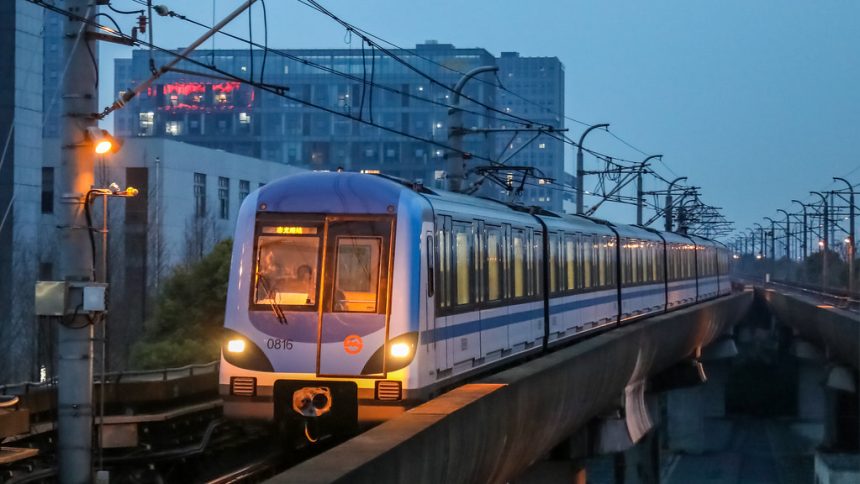
As one of the world’s largest cities, Shanghai has built an enormous metro system designed to accommodate millions of daily commuters. Over the past two decades, the city has rapidly expanded its underground network to become one of the longest metro systems in the world.
The metro connects business districts, historic neighborhoods, and transportation hubs including the city’s airports and high-speed rail stations. Trains are frequent, stations are modern, and English-language signage helps international travelers navigate the network.
Shanghai’s public transport infrastructure demonstrates how large-scale urban planning can support mobility in megacities.
Bangkok, Thailand
Although famous for its traffic congestion, Bangkok has made significant progress in improving urban mobility through elevated rail systems. The BTS Skytrain and MRT subway lines provide fast alternatives to the city’s busy roads.
The elevated Skytrain offers scenic views of the city while connecting key commercial districts, shopping malls, and entertainment areas. Meanwhile, the MRT network links important neighborhoods and transportation hubs.
These systems have become essential for both residents and visitors seeking to navigate Bangkok efficiently while avoiding road traffic.
Features That Make Public Transport Traveler-Friendly
Cities with the best public transportation systems typically share several important characteristics:
- Extensive metro or rail networks covering major districts
- Integrated payment systems for multiple modes of transport
- Multilingual signage and clear route maps
- Frequent service that minimizes waiting times
These features help travelers move confidently through unfamiliar environments.
Tips for Using Public Transport in Asian Cities
Travelers can enhance their experience by preparing in advance and understanding local systems.
Helpful tips include:
- Purchasing rechargeable transit cards for convenience
- Downloading metro maps or transportation apps before arrival
- Avoiding rush hours when trains may be crowded
- Following local etiquette, such as queueing and offering priority seats
These simple steps make navigating busy urban transit systems much easier.
Asia’s major cities continue to invest heavily in public transport infrastructure as urban populations grow and environmental concerns increase. Efficient rail networks, modern buses, and integrated payment systems are transforming how people move through some of the world’s largest metropolitan areas.
For travelers, this means that exploring Asia’s vibrant cities has never been easier. From Tokyo’s legendary punctuality to Singapore’s spotless metro stations and Seoul’s high-tech networks, these destinations offer convenient and reliable ways to experience urban life without the need for a car.