





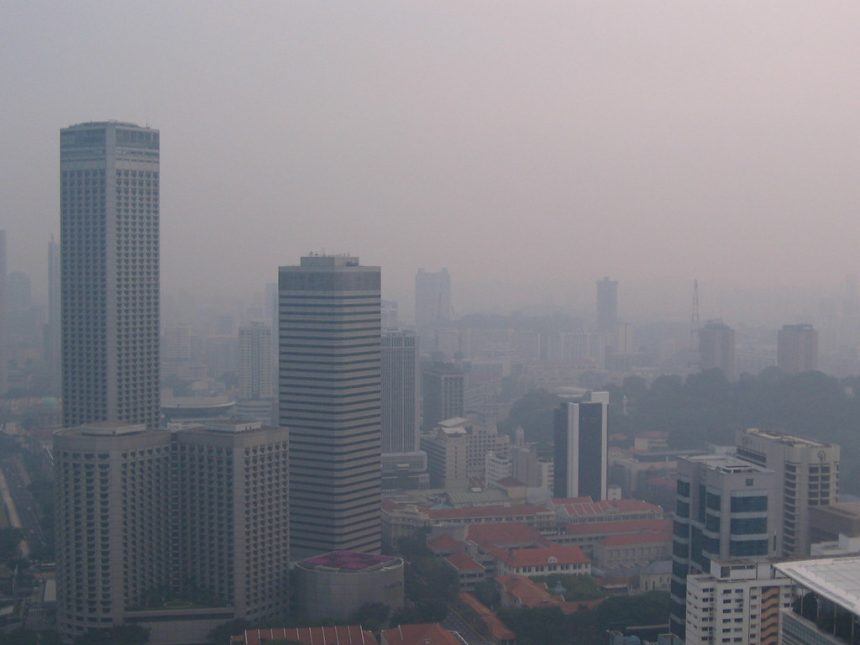
Singapore is no stranger to the haze, an annual issue caused by the transboundary movement of smoke from forest fires in neighboring regions. While the government takes measures to mitigate its effects, it’s essential for individuals to be proactive in safeguarding their health during these periods. In this article, we’ll explore how to stay safe from the haze in Singapore.
Understanding the Haze:
The haze is typically at its worst during the dry season, especially between June and September, due to the prevailing winds carrying smoke from forest fires in neighboring countries, particularly Indonesia. The smoke contains harmful pollutants like particulate matter (PM2.5) and can have adverse health effects.
1. Monitor Air Quality:
Stay informed about the air quality by checking the National Environment Agency’s (NEA) website or using mobile apps like “SG Haze Killer.” The Pollutant Standards Index (PSI) measures air quality, with higher values indicating worse conditions. Pay attention to the 24-hour PSI and the PM2.5 levels.
2. Stay Indoors:
When the air quality deteriorates significantly (e.g., PSI above 100), it’s advisable to stay indoors as much as possible. Close all windows and doors to prevent outdoor air from entering your home. Use air purifiers with HEPA filters to improve indoor air quality.
3. Limit Outdoor Activities:
During hazy conditions, reduce or avoid outdoor activities, especially strenuous exercises. If you must go outside, wear N95 masks to protect yourself from inhaling harmful particles. These masks provide a higher level of filtration than standard surgical masks.
4. Stay Hydrated:
Haze can irritate your respiratory system. Stay hydrated by drinking plenty of water to help soothe your throat and keep your body hydrated.
5. Use Eye Drops:
Haze can cause eye irritation. Use lubricating eye drops to alleviate discomfort and keep your eyes moist.
6. Maintain Good Hygiene:
Wash your hands and face frequently to remove any particles that may have settled on your skin. Shower before bedtime to ensure that you don’t carry haze particles into your bed.
7. Avoid Smoking and Candles:
Indoor air quality can be further compromised by activities like smoking and burning candles. Avoid these during hazy periods.
8. Follow Official Advice:
Stay informed about government advisories and follow them diligently. The NEA provides regular updates and health advisories during haze episodes.
9. Be Mindful of Vulnerable Groups:
Elderly individuals, children, and those with pre-existing respiratory conditions are more susceptible to the adverse effects of the haze. Take extra precautions if you or your family members fall into these categories.
In Conclusion:
While you can’t control the occurrence of haze in Singapore, you can control your response to it. Staying informed, taking preventive measures, and following official advice are key to protecting yourself and your loved ones during hazy periods. By being proactive and cautious, you can minimize the health risks associated with the haze and ensure your well-being during these challenging times.
Also learn about Improved Air Quality Continues in Singapore as Rain Alleviates Haze Concerns.