





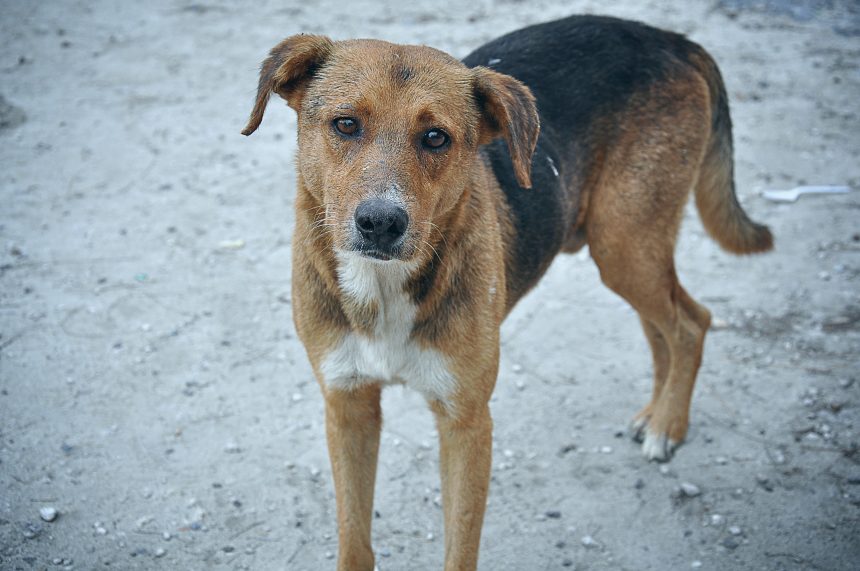
Stray animals, particularly dogs and cats, are a common sight in many urban cities around the world, and Singapore is no exception. While the city-state is known for its clean and orderly streets, there exists a hidden population of stray animals that face numerous challenges. In this article, we explore the issue of stray animals in Singapore, highlighting the complexities surrounding their presence, the efforts made to address the problem, and the compassionate solutions that are being implemented.
Understanding the Stray Animal Situation
The stray animal population in Singapore primarily comprises abandoned or lost animals that roam the streets without a stable home or proper care. These animals face risks such as hunger, disease, and injuries, and their presence can sometimes lead to conflicts with the community and concerns about public health and safety.
Animal Welfare Organizations and Government Initiatives
Recognizing the importance of animal welfare, various organizations and government agencies in Singapore have taken proactive steps to address the issue of stray animals. The Agri-Food & Veterinary Authority of Singapore (AVA), now known as the Animal & Veterinary Service (AVS), collaborates with animal welfare groups to promote responsible pet ownership and conduct sterilization programs to manage the stray population.
Sterilization Programs and Adoption Efforts
Sterilization plays a vital role in managing the stray animal population. Animal welfare organizations, such as the Society for the Prevention of Cruelty to Animals (SPCA) and Action for Singapore Dogs (ASD), conduct regular sterilization drives to prevent the unchecked growth of the stray animal population. Additionally, these organizations actively promote adoption initiatives, encouraging individuals to provide permanent homes to rescued animals.
Community Involvement and Education
Addressing the issue of stray animals requires community involvement and awareness. Various educational programs and initiatives aim to foster empathy and responsible pet ownership among Singaporeans. These efforts include school programs, public awareness campaigns, and community-driven initiatives that encourage the reporting of stray animal sightings and promote cooperation between residents and animal welfare groups.
Collaboration and Support Networks
Effective management of stray animals in Singapore relies on collaborative efforts between animal welfare organizations, government agencies, and the community. Through partnerships, these entities work together to create a network of support, providing medical care, temporary shelters, and rehoming opportunities for stray animals. This collaborative approach ensures a more comprehensive and sustainable solution to the issue.
Conclusion
Stray animals in Singapore face numerous challenges, but the city-state is making commendable efforts to address their welfare. Through sterilization programs, adoption initiatives, community involvement, and education, Singapore is working towards a compassionate and sustainable solution for managing the stray animal population. By promoting responsible pet ownership and encouraging empathy towards animals, the aim is to create a society where stray animals are cared for, and every animal finds a loving and permanent home. With continued support and collaborative efforts, Singapore is paving the way for a more compassionate future for both its human and animal residents. Also learn about Russia’s New Animal Law: Balancing Safety and Humane Treatment of Stray Animals Compared to Singapore’s Comprehensive Animal Laws.