





When it comes to nutrition, fats have long been misunderstood and unfairly villainized. However, not all fats are created equal. In fact, some fats are nutritional heroes that play a crucial role in maintaining good health. In this article, we’ll delve into the world of healthy fats, why they are essential, and which foods are rich sources of these beneficial dietary components.
Understanding Healthy Fats:
Healthy fats, often referred to as unsaturated fats, are a vital component of a balanced diet. They provide essential fatty acids that your body can’t produce on its own but needs for various functions. Healthy fats can be categorized into two main types:
1. Monounsaturated Fats:
- Found in foods like avocados, olive oil, and nuts.
- These fats can help reduce “bad” LDL cholesterol levels and lower the risk of heart disease.
2. Polyunsaturated Fats:
- Include omega-3 and omega-6 fatty acids found in fatty fish (salmon, mackerel), flaxseeds, walnuts, and vegetable oils (soybean, corn, sunflower).
- Omega-3s are known for their anti-inflammatory properties and benefits for heart and brain health.
Why Healthy Fats Are Essential:
- Heart Health: Healthy fats can improve cardiovascular health by reducing levels of LDL cholesterol and triglycerides while increasing HDL (good) cholesterol.
- Brain Function: Omega-3 fatty acids are crucial for brain development and cognitive function. They may help reduce the risk of cognitive decline as you age.
- Weight Management: Including healthy fats in your diet can promote satiety, helping you feel full and satisfied, which can aid in weight management.
- Cellular Health: Fats are a component of cell membranes, contributing to their structure and function.
- Vitamin Absorption: Fats are essential for the absorption of fat-soluble vitamins (A, D, E, and K).
Sources of Healthy Fats:
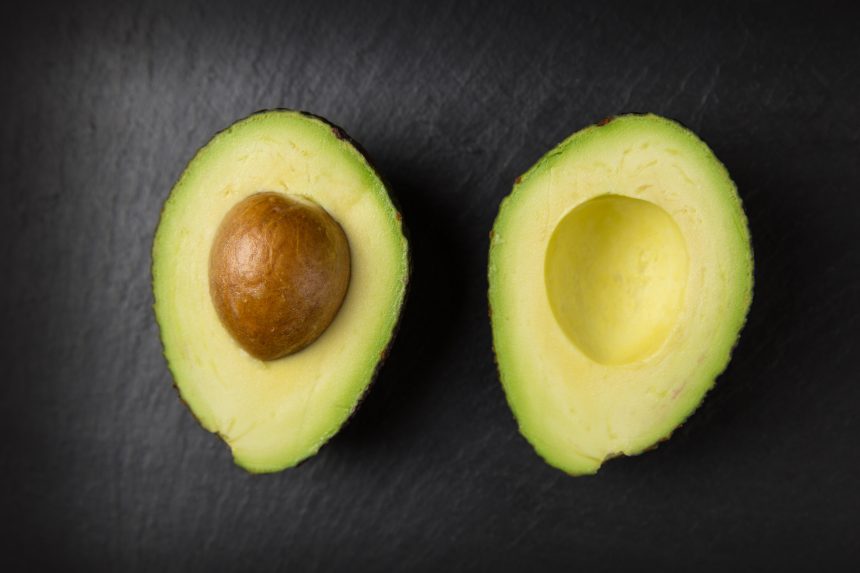
- Avocados: Avocado is a rich source of monounsaturated fats, fiber, and various vitamins and minerals.
- Olive Oil: Extra virgin olive oil is packed with heart-healthy monounsaturated fats and antioxidants.
- Fatty Fish: Salmon, mackerel, trout, and sardines are high in omega-3 fatty acids.
- Nuts: Almonds, walnuts, and pistachios are excellent sources of healthy fats, fiber, and protein.
- Seeds: Flaxseeds, chia seeds, and hemp seeds provide a good balance of omega-3 and omega-6 fatty acids.
- Nut Butter: Natural peanut butter, almond butter, and cashew butter are nutritious spreads rich in healthy fats.
- Dark Chocolate: Dark chocolate with a high cocoa content contains healthy fats and antioxidants.
Incorporating Healthy Fats into Your Diet:
- Cooking: Use olive oil for salad dressings and light cooking. Avoid heating it to high temperatures.
- Snacking: Choose mixed nuts or a piece of avocado toast for a nutritious snack.
- Fish: Incorporate fatty fish into your diet at least twice a week.
- Smoothies: Add a spoonful of nut butter or chia seeds to your morning smoothie for an extra boost of healthy fats.
- Salads: Top your salads with nuts, seeds, or avocado slices.
In Conclusion:
Healthy fats are not just a dietary option; they are essential for your overall well-being. By incorporating foods rich in monounsaturated and polyunsaturated fats into your diet, you can support your heart, brain, and cellular health while enjoying a delicious and satisfying range of flavors and textures. So, embrace these nutritional heroes and make them a part of your balanced and wholesome diet.
Also learn about Boosting Immunity: Essential Vitamins and the Foods That Pack Them.