




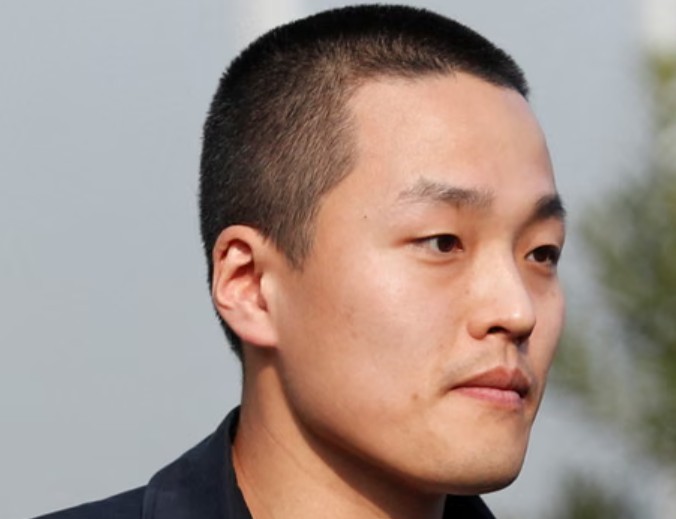
New York — A U.S. federal judge on 12 December 2025 handed down a 15‑year prison sentence to South Korean cryptocurrency entrepreneur Do Kwon, finding him guilty of orchestrating one of the largest financial frauds in history — a collapse of digital currencies that wiped out roughly $40 billion in investor value and rippled across global crypto markets.
Kwon, 34, was convicted for his role in misleading investors about TerraUSD (UST) — a so‑called stablecoin meant to maintain a fixed $1 price — and its sister token Luna, both developed by his Singapore‑based firm Terraform Labs. Prosecutors described the scheme as a “fraud on an epic, generational scale” that devastated the savings, retirement funds and livelihoods of individuals and institutions worldwide.
A fraud that shook the crypto world
TerraUSD was marketed as a revolutionary algorithmic stablecoin, backed not by traditional assets but by an internal protocol designed to stabilise the price automatically. When market stress hit in May 2022, UST failed to hold its dollar peg — and rather than being resolved by its algorithm, prosecutors found that Kwon secretly organised millions of dollars of purchases by a third‑party trading firm to prop up its value. This was falsely attributed to the strength of the underlying system.
The collapse wiped out roughly $40 billion in market value, triggering a cascade of sell‑offs that contributed to what many analysts called the crypto winter of 2022 and further undermined confidence in digital assets globally. The losses eclipsed some of the most infamous crypto frauds, including parts of the collapses of FTX and OneCoin combined.
Court proceedings and sentencing
Kwon pleaded guilty in August 2025 to conspiracy to defraud and wire fraud in a Manhattan federal court, admitting that he misled investors about TerraUSD’s stability and the true nature of the interventions behind price support. As part of his plea agreement, he accepted forfeiture of more than $19 million in illicit gains.
U.S. District Judge Paul A. Engelmayer rejected both the government’s recommendation of a 12‑year sentence and the defence’s plea for just five years, deeming them insufficient given the scale and human impact of the fraud. In delivering the sentence, the judge emphasised that Kwon’s actions caused “real people to lose real money” and inflicted “incalculable human wreckage.”
The court also made clear that the harm extended beyond financial loss: victim testimony highlighted stories of investors losing life savings, retirement funds and even contemplating suicidal thoughts after their losses. One victim told the court his family’s investments plummeted from $190,000 to just $13,000 — what he described as “17 years of life, gone.”
From crypto celebrity to convicted felon
Once celebrated as a pioneering figure in the digital‑asset world, Kwon’s fall was as dramatic as his rise. A Stanford University graduate and co‑founder of Terraform Labs, he was once dubbed by some as a visionary. But as the Terra ecosystem unraveled in 2022, so did his reputation and the fortunes of countless investors. (turn0search45
Following the crash, authorities pursued Kwon internationally. He was arrested in Montenegro in March 2023 while attempting to flee using falsified travel documents and was later extradited to the U.S. to face trial. In 2024, he agreed to a civil settlement with the U.S. Securities and Exchange Commission, including fines and a ban from future crypto trading — a prelude to his criminal sentencing.
Broader implications for crypto regulation
The sentencing marks one of the most significant legal actions in the effort to hold crypto executives accountable and enforce regulatory standards in an industry too long characterised by minimal oversight and high‑risk speculation.
Legal experts say the case could set a precedent for how courts treat executives behind algorithmic stablecoins and similar digital assets, emphasising that technological complexity does not shield fraud or evade responsibility.
The crash’s aftermath prompted calls for tighter regulation in the crypto sector, increased investor protections and more stringent disclosure requirements for digital asset projects. Regulators around the world have cited the TerraUSD collapse as a cautionary tale about the dangers of unregulated financial innovation.
Aftermath and ongoing legal exposure
While the 15‑year sentence represents significant accountability, Kwon’s legal saga may not be entirely over. Prosecutors in South Korea are pursuing separate charges that could see additional penalties applied against him at home after serving his U.S. term — potentially adding years to his incarceration if extradition requests are successful.
For many investors burnt by the collapse, the sentence may bring a form of closure, but not restitution. Prosecutors acknowledged the complexity of compensating hundreds of thousands of victims globally, leaving many still unable to recover their lost funds. Nonetheless, the case signals a turning point in how fraud in the digital‑asset era is prosecuted and punished — with consequences that could reverberate through crypto markets for years.