



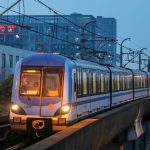



CORDOBA, Spain — A devastating collision between two high-speed trains in southern Spain has killed at least 21 people, injured dozens more and plunged the nation into mourning as rescue teams continue working amid wreckage and uncertainty about how one of Europe’s most advanced rail systems suffered such a catastrophic failure. The crash occurred Sunday evening near the town of Adamuz in the province of Córdoba, on the high-speed rail line linking Andalusia with Madrid.
Collision on a Recently Upgraded Track
The accident unfolded at approximately 7:45 p.m. local time (1845 GMT) on January 18 when the rear carriages of a high-speed Iryo train — en route from Málaga to Madrid — derailed and crossed onto the adjacent track, colliding with an oncoming Renfe service bound for Huelva. Around 400 to 500 passengers were aboard the two trains combined.
Officials described the location of the derailment as a straight stretch of rail that had been recently renovated, adding to the mystery of how and why the train left the tracks. Spain’s Transport Minister Óscar Puente called the incident “truly strange,” noting that the infrastructure and equipment involved were not old or obviously compromised.
Human Toll and Ongoing Rescue Efforts
The confirmed death toll of at least 21 is expected to rise as emergency crews continue sifting through mangled carriages, some of which were severely damaged or thrown down embankments. Dozens of people were injured, with reports suggesting more than 70 to 100 casualties, of whom 25 or more are seriously injured.
Among the fatalities was the driver of the Renfe train, according to Spanish media accounts. Survivors described harrowing scenes as the collision jolted passengers, causing panic, flying luggage and structural damage inside the carriages. Some passengers reportedly used emergency hammers to break windows and escape the wreckage after the impact.
Emergency Response and Medical Care
Emergency services, including firefighters, paramedics, the Red Cross and military units, rushed to the rural site of the crash, where rescue operations extended into the night. Fire officials noted the complexity of the response, with twisted metal and derailed coaches complicating access to some areas of the wreck.
Injured survivors were transported to multiple hospitals across the region, and temporary crisis centers were established to assist victims’ families and provide psychological support. Local authorities also suspended high-speed rail service between Madrid and Andalusia as investigations and recovery efforts continue.
National Leaders and Public Reaction
Spain’s Prime Minister Pedro Sánchez expressed deep sorrow and solidarity with the victims, calling the crash a “night of profound pain” for the country. King Felipe VI and other senior officials also conveyed condolences, as citizens and local communities mobilized to support survivors and first responders.
Investigation Underway
With the cause of the derailment and subsequent collision still unknown, Spanish authorities have launched a formal investigation. Transport officials emphasize that determining why a train derailed on a straight and newly refurbished section of track will be key to preventing future disasters. The inquiry is expected to take weeks, if not longer, as specialists examine infrastructure, train mechanics and operational records.
The collision in Adamuz marks one of the deadliest rail incidents in Spain in recent years, raising urgent questions about rail safety protocols and monitoring systems even on lines considered among Europe’s most modern.