




FUJIYOSHIDA, JAPAN — Japanese authorities have cancelled this year’s renowned cherry blossom festival at Arakurayama Sengen Park near Mount Fuji, citing overwhelming crowds and a surge in unruly tourist behaviour that local officials say has reached a “crisis” point — overshadowing one of Japan’s most cherished seasonal celebrations. (turn0search10)
A Festival Forced to End After a Decade
For more than ten years, the annual Arakurayama Sengen Park Cherry Blossom Festival has attracted visitors from around the world, drawn by its postcard views of **sakura blooms framed by the five-story Chureito Pagoda and Mount Fuji beyond. But on 3 February 2026, city leaders in Fujiyoshida, a small town in Yamanashi Prefecture, announced the festival would not be held this spring. The decision — rare in Japan’s tourism-rich calendar — underscores rising tensions between tourism promotion and community wellbeing. (turn0search10; turn0news0)
Overtourism and Behavioural Backlash
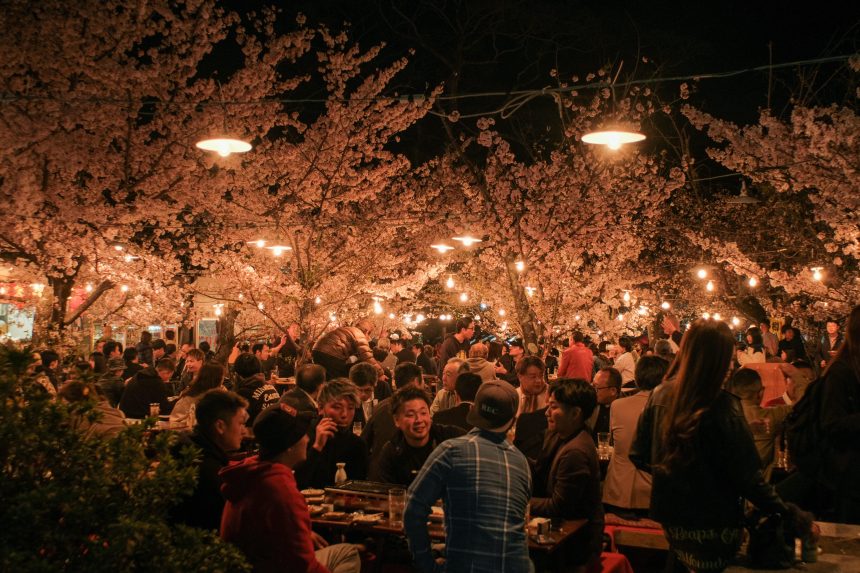
Officials described a dramatic upswing in visitors during the cherry blossom season, with more than 10,000 people crowding the park each day at peak times. While picturesque, the surge has strained local infrastructure, created traffic congestion, and repeatedly disrupted residents’ daily lives. Tourist misconduct reported by local authorities has included trespassing on private property, littering, blocking sidewalks, and even using residents’ homes as impromptu restrooms, prompting widespread complaints. (turn0search4; turn0search13)
Mayor Shigeru Horiuchi said the situation had become untenable. “Behind (Mount Fuji’s) beautiful landscape is the reality that the quiet lives of our citizens are being threatened,” he said, stressing that the government’s first priority must be to protect the dignity and living environment of residents. Horiuchi described the growing overtourism as a crisis, not merely an inconvenience. (turn0search4)
Local parents also expressed concern about safety risks to schoolchildren, reporting instances where crowds crowded narrow pavements, forcing children to walk into the street. Such issues contributed to the decision to suspend the festival entirely rather than attempt to manage the influx. (turn0search10)
Consequences Beyond the Festival
The cancellation does not mean the end of visitors during sakura season. Despite withdrawing the official festival, the popular viewing spots at Arakurayama Sengen Park are still expected to draw crowds once the blossoms reach their peak in late March and early April. Authorities are preparing by planning increased security, temporary parking lots and portable toilets to mitigate disruption and manage pedestrian flows more effectively. (turn0search10)
The festival’s cancellation highlights broader challenges facing Japan’s tourism industry, which welcomed a record 42.7 million visitors in 2025 — the highest number in its history — partly driven by a weak yen and social media-fuelled interest in scenic destinations. While tourism boosts the national economy, it has also stirred debates about sustainability, cultural respect and community rights, particularly in smaller towns. (turn0search4; turn0news33)
A Symbol of Wider Tourism Strain
Arakurayama Sengen Park has long been one of Japan’s most photographed locations, regularly featured in international travel guides and on social media feeds showcasing Japan’s natural beauty. That iconic status has helped fuel its popularity — but also, increasingly, local frustration. As one resident remarked in city statements, what was intended as a celebration of hanami — the centuries-old tradition of cherry blossom viewing — has morphed into a source of stress for the community hosting it. (turn0search13)
This decision echoes similar concerns expressed in other tourist hotspots such as Kyoto, where residents have complained of disrespectful behaviour and overcrowding. Cities across Japan have wrestled with how to strike a balance between welcoming visitors and preserving quality of life for locals — and this year, at least, Fujiyoshida has chosen to prioritise its residents over the spectacle of spring tourism. (turn0search4)
Looking Ahead: Blossoms Without Festivities?
Although festival organisers have not indicated whether the Arakurayama Sengen Park Cherry Blossom Festival will return in future years, many community leaders see the 2026 cancellation as a critical moment for recalibrating tourism policy. With the blossoms still expected to draw tourists to the scenic park, local government officials and residents alike are calling for greater visitor respect and more sustainable tourism management going forward. (turn0search10)
The cancellation marks a striking shift for a festival that once symbolised joyful hanami celebrations, underlining a growing need across Japan — and indeed globally — to balance cultural heritage and natural beauty with respectful, manageable visitor behaviour.