



Japan is reeling from an extraordinary winter weather crisis, with record-breaking snowfall across its northern and western regions over the past two weeks claiming the lives of at least 35 people and leaving hundreds injured. Authorities and emergency services have described the weather as some of the most severe seen in decades, as snow depths reached historic levels and disrupted transport, power supply and daily life.
Deadly Toll From Unprecedented Snow Storms
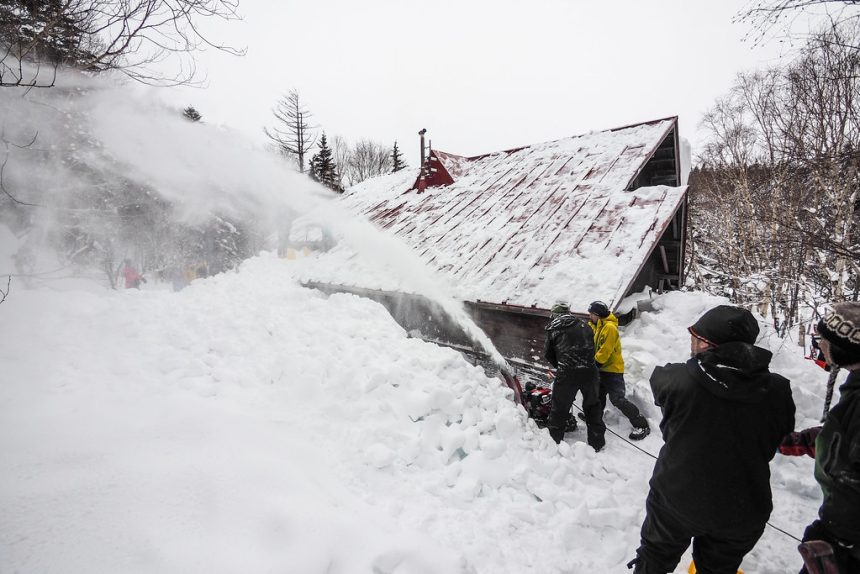
Japan’s current winter storm system — driven by an intense Arctic cold air mass lingering over the archipelago — has produced record snowfall of up to 6.5 feet (approximately 2 metres) in some areas, particularly along the Sea of Japan coast. In total, officials have confirmed 35 deaths and nearly 400 injuries, with 126 of those reported as serious. Most fatalities occurred when residents slipped and fell while attempting to remove heavy snow from rooftops and around their homes.
Snow-related dangers have extended beyond falls, with some victims suffering sudden medical emergencies amid strenuous snow-clearing efforts, especially among older residents. Emergency services in heavily affected areas like Niigata and Aomori prefectures have faced extraordinary pressure as they cope with rescue and relief operations under hazardous conditions.
Widespread Impact on Communities and Infrastructure
More than 15 of Japan’s 47 prefectures have reported severe snowfall, paralyzing transportation networks and stranding residents. In Aomori prefecture, electricity was cut to over 1,700 homes, while most train services, including bullet trains, were suspended due to blocked tracks. Schools in affected regions have been closed, and supply routes remain difficult to traverse.
Snow-clearing operations have become a monumental task. In cities like Sapporo, local authorities deployed about 1,000 snow plows to clear thousands of kilometres of roads in an effort to restore safety and mobility. However, crews in some remote communities have had to abandon vehicles and work on foot due to the extreme conditions.
Government Response and Emergency Measures
In recognition of the severity of the crisis, Japan’s Self-Defense Forces were mobilised to assist local governments in snow-removal and disaster relief tasks, particularly for vulnerable elderly populations isolated by drifts. Military support has been critical in areas where heavy snow has made conventional response efforts difficult.
Authorities have warned that warming temperatures following the snowfall could paradoxically increase risks of avalanches, landslides and falling snow from rooftops — compounding public safety hazards even as conditions begin to improve. Residents have been urged to exercise extreme caution, especially when clearing snow or moving through uneven terrain.
Public and Humanitarian Response
Scenes from the snow-hit regions depict towns and villages blanketed under metres of snow, with residents digging out homes, cars and businesses. Hospitals have reported surges in injuries caused by heavy snow and slippery conditions, leading to emergency appeals for additional medical personnel and resources.
In some communities, neighbours have banded together to share resources and aid those unable to clear snow themselves, reflecting a broader spirit of resilience amid hardship. Local organisations and volunteers have mobilised to deliver food and essential supplies to snowbound households, particularly for elderly citizens and families with young children.
Meteorological Context and Unusual Weather Patterns
Meteorologists say that the extreme snowfall — in some areas twice the usual seasonal totals — is driven by persistent cold air systems interacting with moisture over the Sea of Japan. Several prefectures recorded accumulation far beyond their typical winter averages, with some locations exceeding snow depths not seen in 40 years.
While Japan regularly experiences heavy winter snowfall, particularly in the northern island of Hokkaido and along the Sea of Japan coast, this season’s totals have pushed capacities to extreme limits. Snowfall records in towns like Aomori have been surpassed, prompting officials to label parts of the storm as historic in scale.
Long-Term Impacts and Recovery Challenges
With transportation disrupted and essential services strained, long-term recovery efforts are expected to stretch for weeks. Power restoration, road clearance and infrastructure repair are priorities, but officials acknowledge that persistent snow and the risk of secondary hazards such as avalanches could prolong challenges.
Economists and local business owners also warn of economic impacts in affected regions, particularly as supply chains and commerce have been slowed by the weather. The closures of schools and public offices further highlight the broad societal disruption caused by the snowfall.
Looking Ahead: Safety and Preparedness
As Japan navigates the aftermath of this devastating winter weather event, authorities continue to monitor forecasts for further snow and weather variability. Public safety campaigns stress preparedness, caution and community support, urging residents to stay informed about weather developments and adhere strictly to guidance from emergency services.
The toll from this snowstorm — both human and economic — serves as a stark reminder of the potential severity of winter weather in regions accustomed to heavy snowfall, and the importance of resilient infrastructure and coordinated disaster response.