






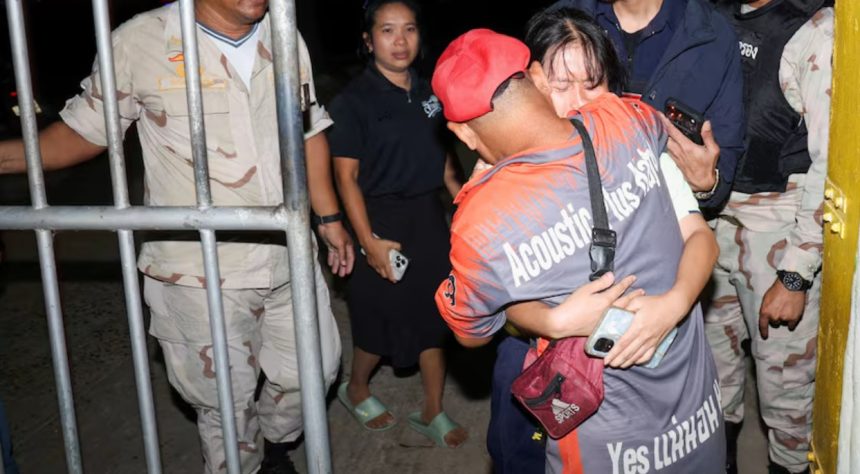
HAT YAI, Thailand — A school principal in southern Thailand has died from injuries sustained during a violent attack at Patongprathankiriwat School, authorities confirmed on 12 February 2026, marking a grim end to a student-perpetrated siege that shocked the community and renewed concerns about gun violence in educational settings. The deadly incident, which also left two students injured, unfolded in the late afternoon of 11 February, drawing swift police action and a tense two-hour standoff before the suspect was arrested.
Timeline of the Attack and Immediate Aftermath
The violence began shortly before 5 p.m. local time when an 18-year-old male suspect entered the campus of Patongprathankiriwat School in Hat Yai district, Songkhla province and opened fire with a handgun, witnesses and officials said. Police said the gunman pulled students and teachers into the building, creating a chaotic scene that quickly evolved into a siege and hostage situation.
First responders surrounded the school, and a prolonged operation ensued as officers evacuated trapped students and engaged the suspect. The standoff lasted roughly two hours before security forces wounded and apprehended the gunman, ending the crisis and freeing those inside. As of Friday morning, authorities continued investigations into the events leading up to the attack.
Principal Sasiphat Sinsamosorn Succumbs to Injuries
Among the victims was Sasiphat Sinsamosorn, the school’s respected principal, who was shot during the confrontation — reportedly while attempting to protect students. She was rushed to hospital and underwent emergency surgery, but died early on 12 February from severe internal wounds and significant blood loss, officials said. Sinsamosorn’s death was confirmed by the provincial administration and widely reported by local and international media.
The school and community leaders expressed deep sorrow, with messages shared on social media and official channels mourning her leadership and devotion. A school statement described her as a compassionate leader whose influence would endure in the memories of students and staff.
Student Casualties and Injuries
Two students were also wounded in the attack. One, a 14-year-old girl, was shot and taken to hospital for surgery; authorities said she was in stable condition following initial treatment. Another student sustained an ankle injury after jumping from a building while attempting to escape the violence. Police said both students were being cared for at local medical facilities.
At the peak of the siege, more than 300 students and staff were reported to be inside classrooms as police worked to secure the site and evacuate those who could safely leave. The incident triggered swift responses from special operations units, negotiations teams and emergency medical crews.
Profile of the Suspect and Arrest
The suspect — identified by authorities as an 18-year-old male — was taken into custody after being wounded by police during the resolution of the siege. Officials reported that he had previously stolen a handgun, believed to be taken from a police officer earlier in the day, before entering the school. Local media also indicated the suspect had recently been released from a psychiatric facility and had a history of substance abuse. Questions remain about his motive, though some outlets have suggested a possible grievance involving a teacher at the school.
Police have not yet disclosed official details of whether charges have been formally filed or what specific legal actions the suspect may face, as investigations into the attack continue.
Community Shock and Response
The siege has deeply affected the Hat Yai community and beyond. Hat Yai, a major city in southern Thailand near the Malaysian border, is home to thousands of families and is known for its vibrant cultural life — a context in which such violent incidents remain rare. Local leaders, parents and teachers described the attack as devastating, particularly given the loss of a beloved principal and the trauma experienced by young students.
Thailand has witnessed notable acts of gun violence in recent years, including a notorious 2022 nursery attack that claimed dozens of lives, underscoring ongoing concerns about firearm access and security in public spaces. The school shooting in Hat Yai adds to a broader national conversation about safety and prevention.
Security Measures and Government Action
In the wake of the attack, law enforcement authorities increased security presence around nearby schools and public facilities, aiming to reassure families and deter further violence. Provincial police and education officials held briefings to update the public on safety plans and counselling services for students and staff affected by the trauma. Schools in the district remain under review for additional protective measures.
The national government has also called for a careful review of firearm policies, mental health support systems and crisis response mechanisms in educational institutions. In Bangkok, senior officials emphasised that ensuring student safety remains a top priority, even as the details of this specific incident are analysed.
Looking Ahead: Healing and Accountability
As Hat Yai mourns the loss of Principal Sinsamosorn, the focus has shifted to supporting the survivors and seeking accountability for the events that transpired. Parents, educators and local officials have urged comprehensive investigations into how the attack unfolded, how the suspect gained access to a firearm and what measures might prevent similar tragedies in the future.
Memorials and vigils are being planned at the school and in surrounding communities to honour the principal’s life and offer solace to bereaved families. Psychological support services have been mobilised for students and staff, recognising the deep impact that school shootings have on young minds and educational environments.
The Hat Yai school siege — ending with the tragic death of an educational leader — has become a flashpoint in Thailand’s efforts to grapple with violence, community safety and the protection of children in learning spaces. Its repercussions are likely to shape policy and public debate in the weeks and months ahead.