





DHAKA, BANGLADESH — In a watershed moment for South Asia’s second-largest nation, the Bangladesh Nationalist Party (BNP) has delivered a decisive victory in the country’s first national election since the 2024 uprising that toppled long-time leader Sheikh Hasina. With unofficial results showing the BNP winning an overwhelming majority of seats in the Jatiya Sangsad (parliament), the party’s leader Tarique Rahman is poised to become prime minister — ushering in a new era after years of political strife, deep polarization and contested elections.
BNP Landslide Victory in Post-Uprising Poll
The parliamentary elections, held on 12 February 2026, marked a dramatic break from nearly two decades of dominance by Hasina’s Awami League. According to provisional figures confirmed by election authorities, the BNP secured at least 209 of the 299 contested seats — a two-thirds majority in the legislature that gives it a strong mandate to govern and enact reforms.
The BNP’s success was underscored by widespread voter participation, with turnout approaching nearly 60 per cent of registered voters, a marked improvement over previous elections characterized by boycotts and boycott-related controversies.
A Historic Turning Point After the 2024 Uprising
This election was the first competitive national contest since the 2024 Gen Z-led revolt — a mass movement of students and young people whose protests culminated in Hasina’s removal from power and eventual exile in India. Her government’s final months were marred by allegations of corruption, human rights abuses and political repression, contributing to a profound desire for change among large segments of the population.
For many Bangladeshis, the 2026 election represented a chance to transition from street protest to institutionalized democratic politics — testing the resilience of democratic structures after years of political upheaval.
Tarique Rahman’s Return and Leadership Promise
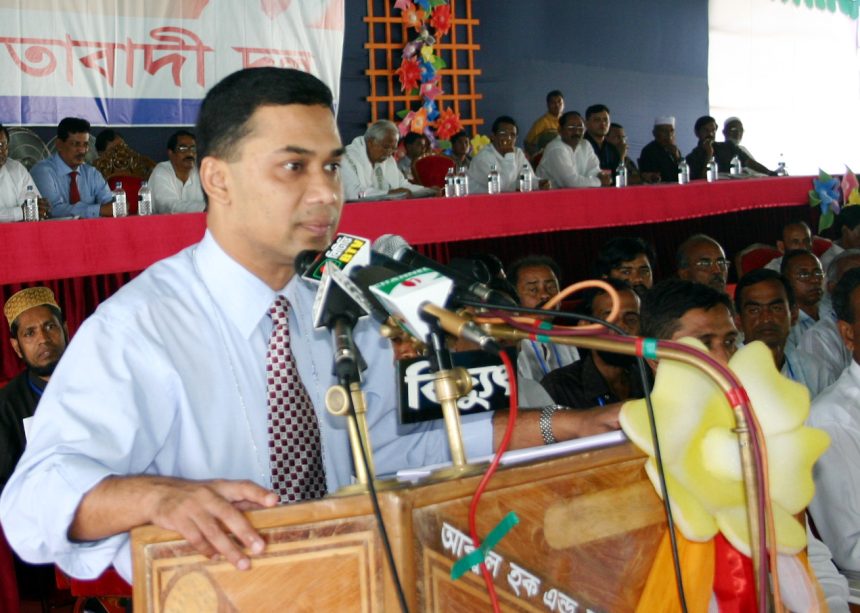
The BNP was led in this election by Tarique Rahman, the son of former prime minister Khaleda Zia and influential BNP stalwarts. Rahman returned to Bangladesh in December 2025 after 17 years in self-imposed exile, positioning himself as a figure capable of both uniting the party and navigating the complex transition ahead.
Rahman’s campaign focused on anti-corruption, economic revitalization, and institutional reform — themes that resonated with voters fatigued by years of political deadlock and allegations of authoritarian practices. Despite his long absence from domestic politics, supporters credit his leadership with reinvigorating the BNP and restoring confidence among traditional party voters.
Key Opponents and Parliamentary Landscape
While the BNP dominated the results, a coalition led by the Islamist Bangladesh Jamaat-e-Islami emerged as the second-largest faction, securing 68 seats in the new parliament. The alliance’s performance reflects its newfound space in post-Hasina politics, though concerns remain among human rights advocates about its conservative platform and potential impact on civil liberties.
The newly formed National Citizen Party (NCP) — born out of the 2024 uprising and representing a generation of youth activists seeking systemic reform — also won a small number of seats and will contribute to the evolving political dialogue.
Notably absent from the ballot was the Awami League, Hasina’s former party, which was barred from contesting and has condemned the election as illegitimate — a claim that underscores lingering tensions despite the broadly peaceful conduct of polling day.
Constitutional Referendum and Reform Agenda
The election was held in tandem with a constitutional referendum on proposed reforms aimed at curbing executive dominance and enhancing judicial independence. Early indications suggest widespread voter support for measures such as prime ministerial term limits and bolstered checks and balances — changes that reflect a national appetite for durable democratic reforms.
While official certification from the Election Commission is pending, the emerging picture points toward a clear public mandate for structural change and institutional modernization after years of political centralization.
Domestic Reaction and Public Sentiment
Across Dhaka and other major cities, the mood among voters was one of cautious optimism. Citizens expressed pride in participating in what many described as the most genuine election in decades. With tight security at stations and international observers present, the relative calm of the voting process was taken as a positive sign for Bangladesh’s democratic evolution.
For supporters of the BNP, the victory represents not only a political shift but also a profound moment of vindication after years of opposition marginalization. Observers note that the party will be under intense pressure to translate its historic win into effective governance and social stability.
International Responses and Regional Implications
International reactions were swift following the BNP’s victory. Leaders from India, Pakistan and the United States extended congratulations to Rahman and underscored the importance of Bangladesh’s democratic transition. China also acknowledged the election outcome, signaling interest in continued cooperation under the new government.
The international community’s engagement highlights Bangladesh’s strategic importance in South Asia — politically, economically and geostrategically — amid shifting global alignments and regional partnerships.
Challenges Ahead for the New Government
Despite its commanding majority, the BNP faces formidable tasks. Rebuilding trust in institutions, revitalizing the economy — particularly the vital garment manufacturing sector — and healing the divisions exacerbated during years of political confrontation are among the urgent priorities identified by analysts.
The party’s leadership has emphasized inclusivity and economic revitalization in its statements, but critics caution that the weight of legacy political rivalries and the prominence of Islamist parties could complicate efforts to forge consensus.
A Pivotal Moment in Bangladesh’s Democratic Story
The 2026 election stands as a defining chapter in Bangladesh’s political narrative — not just for the BNP’s triumph but for what it signifies about public desire for democratic renewal after turbulence, unrest and authoritarian entrenchment. Nearly 127 million eligible voters took part in an exercise widely viewed as a test of Bangladesh’s democratic resilience, setting the stage for potential transformation in governance and political culture.
As the BNP prepares to assume power and implement its platform, the world will be watching to see whether this historic moment translates into lasting progress for one of South Asia’s most populous and geopolitically significant nations.