



The Lunar New Year — known variously as Chinese New Year, Spring Festival or Tet, depending on local tradition — fell on 17 February 2026, ushering in the Year of the Fire Horse. Communities from East Asia to the Americas and across Australasia marked the holiday with a mixture of solemn ritual, family reunions and public pageantry, even as new concerns about travel, diplomacy and public safety shaped this year’s festivities.
Beijing: Temple fairs, state pageantry and family reunions
In Beijing, the Spring Festival remained a mass cultural moment — temple fairs thronged with worshippers, streets glittered with red lanterns, and the state broadcaster’s gala drew millions of viewers. Traditional activities — offering incense, visiting relatives and feasting on symbolic dishes — were on full display, even as officials emphasised travel safety during a record-breaking spring-festival migration. The cities and towns around the capital reported spike in worshipper numbers at historic temples and brisk demand for festive foods and red packets.
Public authorities in the mainland encouraged safe travel practices as hundreds of millions moved for family reunions during the weeks-long holiday period, a phenomenon often referred to as the world’s largest annual human migration. In urban neighbourhoods, local governments staged lantern displays and street performances while reminding citizens about crowd control and fire-safety measures.
Singapore: Chingay and a multicultural pageant
In Singapore, a signature civic response to the Lunar New Year — the Chingay Parade — continued to blend traditional Chinese performances with multicultural floats and street theatre, drawing both local families and international tourists. Organisers billed Chingay 2026 as a “people’s parade” celebrating diversity, with elaborate costumes, colourful floats and performances that stretched the meaning of Lunar New Year beyond ethnic Chinese communities to include Malay, Indian and Eurasian artists. Officials said the parade is intended both to honour heritage and to project Singapore’s image as a multicultural festival hub.
Beyond the parade, civic programmes around the island — from hawker-centre specials to community lion dances — were designed to keep neighbourhood celebrations intimate and safe while encouraging visitors to support small businesses during the holiday period.
New York: Chinatowns and the diaspora’s pageantry
Across the United States, New York’s Chinatowns and boroughs hosted their usual blend of dragon and lion dances, firecracker ceremonies (where permitted), and cultural festivals. Community groups staged family events in parks and cultural centres; several boroughs scheduled parades and traditional firecracker-style ceremonies adapted to local regulations. The celebrations underscore the role of diasporic cities in preserving rites and sharing Lunar New Year with diverse urban publics.
Local organisers also used the holiday to spotlight small businesses and restaurants, while civic leaders thanked Asian communities for their cultural contribution amid heightened discussions on combatting anti-Asian hate. Several events included educational booths to explain customs such as giving hongbao (red packets) and eating longevity noodles.
Sydney and Australia’s multicultural streets
In Sydney, festivities ranged from large public lantern displays and city-run programmes to local neighbourhood festivals — notably in ethnic precincts such as Cabramatta — reflecting Australia’s vibrant Asian diasporas. Events included lion dances, theatre, family markets, and food festivals designed to welcome families and tourists to the public square. Sydney’s municipal programmes emphasised both celebration and public health messaging.
Across other Australian cities, grassroots organisations staged dinners, cultural workshops and performances to preserve traditional rites, while municipal authorities highlighted the economic boost the festival gives to food, retail and tourism sectors during late summer.
Southeast and East Asia: Temple rites, fireworks and travel surges
From Seoul to Hanoi, Taipei to Manila, towns and capitals marked Lunar New Year with customary temple visits, fireworks displays and community concerts. In many places the holiday is a time of mass travel — although this year geopolitical tensions and travel advisories prompted some shifts in cross-border travel patterns. Authorities in several countries planned extra transport services and crowd-management protocols to accommodate the surge.
Vietnam’s Tet celebrations blended profound family rituals with public spectacles: markets piled with flowers and special foods, while local governments staged light shows and concerts. In the Philippines, the historic Chinatown of Binondo saw lion dances and street processions recalling centuries of Chinese-Filipino culture. Across the region, authorities balanced tradition with safety and diplomatic sensitivities.
The Year of the Fire Horse: meanings, myths and modern reactions
Astrologers and cultural commentators noted that 2026 is the Year of the Fire Horse, a rarity in the 12-year zodiac cycle that is often accompanied by folklore about unpredictable fortunes and high energy. Commentators in lifestyle pages and cultural segments explained traditional beliefs — about risk, ambition and temperament — and how families interpret zodiac advice when making plans, marriages or business decisions during the new year. While many treat zodiac lore as festive custom rather than destiny, the symbol of the horse added a vivid thematic note to parades and merchandising this year.
Diaspora dynamics: identity, commerce and cultural diplomacy
Lunar New Year’s global sweep highlights how diasporic communities use the holiday to sustain identity and build bridges. Municipal authorities and cultural institutions increasingly treat Lunar New Year as both a local cultural asset and a diplomatic outreach moment: embassies mounted public events, chambers of commerce promoted Lunar New Year markets, and city tourist boards leaned into the festival as an attraction — a trend visible in cities from Buenos Aires to Moscow. Organisers said such civic programming helps sustain restaurants, markets and small businesses that rely on seasonal spending.
At the same time, the festival is a focal point for social campaigns: anti-racism coalitions, public-health agencies and cultural educators used events to deliver messages on inclusion, vaccination and community safety. The combination of spectacle and civic messaging shows how modern Lunar New Year observances function at the intersection of culture, commerce and public policy.
Public safety, diplomacy and the politics of travel
This year’s Lunar New Year also unfolded against a backdrop of heightened diplomatic tensions in parts of East Asia that affected travel and tourism. Some governments issued advisories that altered popular destination choices for travellers during the holiday peak; others coordinated to ensure transport security and emergency response readiness for mass movements of people. Analysts observed that while the festival remains a stabilising cultural anchor, its economic footprint is sensitive to geopolitical shifts.
How communities adapted celebrations for health and inclusion
In many Western and Southern Hemisphere cities, organisers adapted traditional activities to local norms and regulations: firecracker ceremonies were modified where fireworks are restricted; indoor community halls hosted lion-dance workshops to keep children engaged; hybrid livestreams allowed overseas relatives to join family rituals remotely. Municipal cultural teams emphasised accessible programming — multilingual signage, disability access at event sites and family-friendly scheduling — to broaden participation.
What the festival means now — continuity and change
Lunar New Year 2026 combined time-honoured rituals (ancestor veneration, family reunions, ritual foods) with contemporary inflections: city authorities’ crowd planning, digital livestreaming of parades, and sponsorship-driven spectacles. The festival remains a living tradition; its manifestations vary widely by locale, but its core functions — community cohesion, renewal and hope for prosperity — remain consistent. The way civic institutions, diasporic organisations and local businesses harness that energy shows how the holiday has become both a cultural anchor and a civic resource in many societies.
Looking ahead: tourism, tradition and cultural resilience
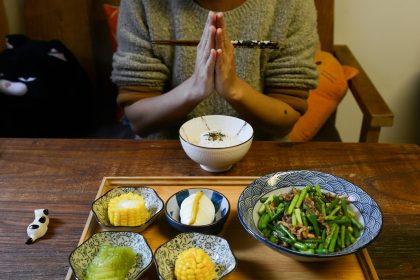
As communities begin to file away lanterns and red couplets, planners and cultural custodians are already reflecting on how to sustain meaningful, safe and inclusive celebrations. The coming months will see evaluations of crowd plans, tourism impacts and cultural programming, and in many cities there will be calls to invest in the grassroots organisations that keep the holiday’s traditions alive year after year. For millions, however, the simplest measure of success remains private: a table crowded with family and a wish for a good year ahead.