





To many visitors, Singapore’s food courts inside shopping malls appear to be the heart of the city’s dining culture. Brightly lit, air-conditioned, and conveniently located, they are easy to find and simple to navigate. Yet for most Singaporeans finishing a workday, these polished spaces are rarely the first choice. When office hours end, locals gravitate toward places shaped by habit, heritage, and flavor — locations where food is woven into daily life rather than curated for convenience.
Hawker Centres as the Real After-Work Anchor
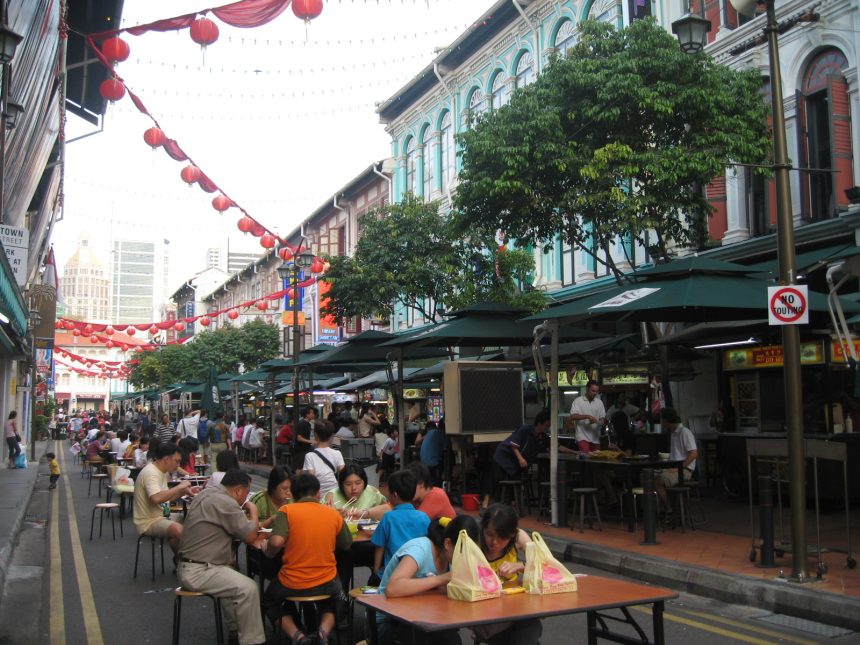
For generations, hawker centres have been the backbone of everyday dining in Singapore. After work, they serve as social equalizers where executives, students, retirees, and service workers eat side by side. Prices remain accessible, portions are generous, and the food reflects deep culinary traditions rather than trends.
Places such as Lau Pa Sat, Maxwell Food Centre, and Tiong Bahru Market are not tourist curiosities to locals; they are routine dinner destinations. Many Singaporeans return to the same stalls for years, valuing consistency and personal relationships with hawkers as much as taste.
Neighborhood Coffeeshops Over Malls
Away from the Central Business District, neighborhood coffeeshops — open-air complexes with multiple stalls — dominate after-work dining. These spaces are informal, noisy, and deeply familiar. Plastic chairs, ceiling fans, and brightly lit menus form an environment that prioritizes comfort over aesthetics.
Coffeeshops appeal to locals for practical reasons. They are close to home, fast, and flexible, allowing diners to mix dishes from different stalls in one meal. For many Singaporeans, stopping by a coffeeshop is part of the daily rhythm, not a deliberate outing.
After work, these venues are favored because they offer:
- Speed and affordability without sacrificing flavor
- A relaxed atmosphere where lingering is acceptable
Late-Night Supper Culture
Singapore’s workdays often run long, and eating late is common. As a result, supper spots play a major role in the city’s after-hours food culture. From bak kut teh to prata, these meals are less about nutrition and more about decompression after a demanding day.
Areas such as Geylang and Bukit Timah are known for establishments that stay open deep into the night. Colleagues, friends, and families gather not just to eat, but to talk, unwind, and mark the transition from work to personal time.
Why Mall Food Courts Rank Lower for Locals
Mall food courts are not avoided entirely, but they occupy a different role. They are often associated with convenience during shopping trips rather than with meaningful meals. Higher prices, smaller portions, and standardized menus make them less appealing for everyday dining.
For Singaporeans, eating after work is not simply about feeding hunger. It is about continuity — returning to flavors tied to memory, routine, and community. Food courts, designed for efficiency and broad appeal, rarely provide that sense of belonging.
Social Eating as Daily Practice
Unlike cultures where weekday dinners are solitary or rushed, Singapore’s after-work meals are often social. Hawker centres and coffeeshops encourage shared tables and spontaneous conversations. Even solo diners are part of a collective atmosphere, surrounded by familiar sounds and smells.
This social dimension explains why locals tolerate heat, crowds, and noise. The experience feels authentic, grounded, and human — qualities that polished dining environments sometimes lack.
Tradition, Not Trend, Drives Choice
Singaporeans are famously discerning about food. Loyalty is earned through flavor, consistency, and value, not branding. After work, people want meals that satisfy without cultural pretense. Hawker centres and coffeeshops deliver exactly that.
Even as new dining concepts emerge, these traditional spaces continue to thrive because they adapt quietly. Menus evolve subtly, stalls change hands, and techniques improve — all without losing their core identity.
Understanding How Singapore Really Eats
To understand Singapore’s food culture, one must look beyond food courts and curated dining guides. The true after-work dining scene unfolds in steam-filled hawker centres, neighborhood coffeeshops, and late-night supper spots scattered across the island.
Skipping mall food courts is not an act of rejection, but a return to what feels natural. For Singaporeans, eating after work is less about novelty and more about familiarity — a daily ritual that nourishes both body and social life.