






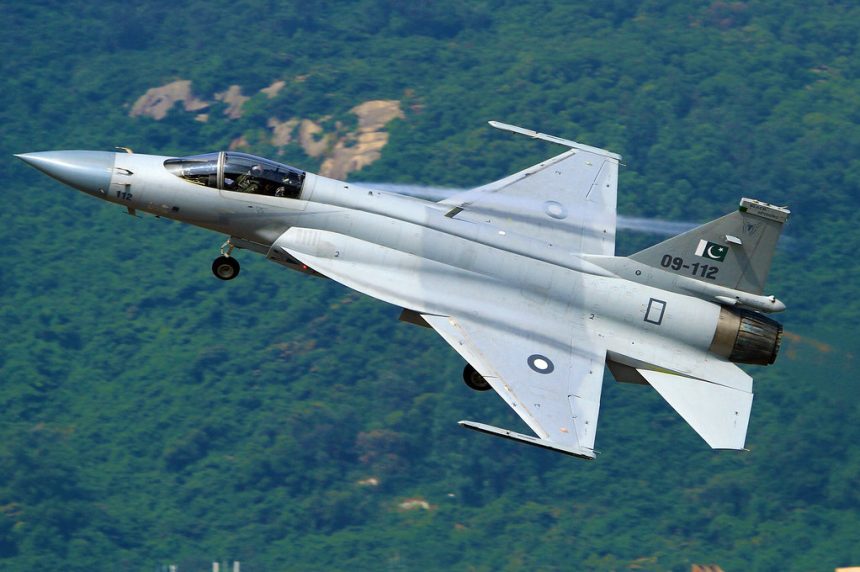
Pre-Dawn Air Raids Target Militant Hideouts
Pakistan’s military carried out a series of airstrikes inside eastern Afghanistan early on 22 February 2026, in what Islamabad described as “intelligence-based operations” against militant camps and hideouts along the porous border between the two neighbours. The strikes targeted areas in Nangarhar, Paktika and other border regions, Islamabad said, aiming at bases linked to the Tehreek-e-Taliban Pakistan (TTP) and affiliates blamed for a recent surge in deadly attacks inside Pakistan.
Pakistan’s government framed the operation as a necessary response to a wave of terror attacks on its soil — including suicide bombings in Islamabad and northwest provinces — which it alleges were orchestrated from Afghan territory. Islamabad holds the Taliban-led Afghan government responsible for failing to curb militant sanctuaries.
Civilian Casualties and Afghan Condemnation
Afghan authorities and local aides paint a starkly different picture of the airstrikes’ impact, reporting dozens of civilian deaths and injuries, including women and children. Afghanistan’s defence ministry described the strikes as “a blatant violation of sovereignty and international law” after bombardments hit homes, a religious seminary and residential areas in provinces such as Nangarhar and Paktika.
The Afghan Red Crescent Society reported that at least 18 civilians were killed and many more wounded as rescuers worked amid rubble and destruction in hard-to-reach border villages. Officials said entire families were caught in the overnight barrage, which included strikes that Afghan spokespeople assert were not limited to militant camps.
Taliban officials, speaking through spokesperson Zabihullah Mujahid on social media platform X, vowed to respond with a “measured and appropriate response” in due course, underscoring fears of further escalation.
What Sparked the Cross-Border Operation
Islamabad says the offensive was triggered by a spate of terror attacks on Pakistani soil, which it attributes to militants sheltering in Afghanistan. Recent incidents included a suicide bombing in Pakistan’s Bajaur area and a deadly assault in Bannu district, both in the north-west Khyber Pakhtunkhwa province, that killed Pakistani security personnel and civilians. At least one attacker was reportedly identified as an Afghan national in official statements, though details remain disputed.
Pakistan has repeatedly accused Afghan territory of providing safe havens for militant groups, particularly the TTP and some Islamic State Khorasan Province (ISKP) elements, whose actions Islamabad links to cross-border violence. Pakistan’s Ministry of Information asserted that intelligence analysis showed direct connections between militants based across the border and recent internal attacks.
Escalation and Diplomatic Fallout
The strikes constitute one of the sharpest escalations in recent months in a long-running dispute over border security and militant movements. Relations between Islamabad and Kabul have been strained since the Taliban’s return to power in 2021, with recurring tensions over border clashes, militant activity and failed diplomatic efforts to enforce ceasefires brokered by external mediators.
Afghan officials condemned the strikes as “aggressive acts that could further destabilise the region,” accusing Pakistan of targeting civilians rather than solely militant objectives. The Afghan government has formally summoned Pakistan’s ambassador in protest, intensifying diplomatic friction.
Humanitarian Impact and Global Concern
Human rights advocates and local aid organisations have expressed alarm at reported civilian casualties and the destruction of homes, schools and religious institutions. Family members in affected villages were seen burying loved ones and searching for missing relatives amid widespread shock and grief.
The humanitarian implications are compounded by the fragile security situation in eastern Afghanistan, where decades of conflict have already strained local infrastructure and displaced thousands. Airstrikes hitting civilian areas raise questions about proportionality and the protection of non-combatants under international humanitarian norms.
Political and Military Repercussions
In Islamabad, political and military leaders defended the strikes as part of Pakistan’s right to self-defence but acknowledged the operation’s potential to heighten tensions. The Pakistani military emphasised its focus on militant targets yet faced international scrutiny over reports of civilian deaths.
Meanwhile, the Afghan Taliban government has reiterated its opposition to any unilateral cross-border action, insisting it will recalibrate its own security policies and consider responses that reflect national sovereignty. Analysts warn that without diplomatic de-escalation, the cycle of violence could spill over further, undermining stability in a region already grappling with fragile peace and deep mistrust.
Regional Security and Future Prospects
South Asian and global policymakers are watching developments with concern, as the conflict underscores broader challenges around border security, militant proliferation and governance in Afghanistan. The strikes highlight the complex interplay between state security concerns and civilian harm, and experts say that sustainable solutions will require renewed diplomatic engagement, intelligence cooperation and robust mechanisms to prevent militant misuse of border areas.
For now, the immediate aftermath of Pakistan’s airstrike offensive leaves Afghanistan mourning its dead, Pakistan reaffirming its security posture, and both capitals grappling with the geopolitical fallout of an operation that could shape future regional dynamics.