





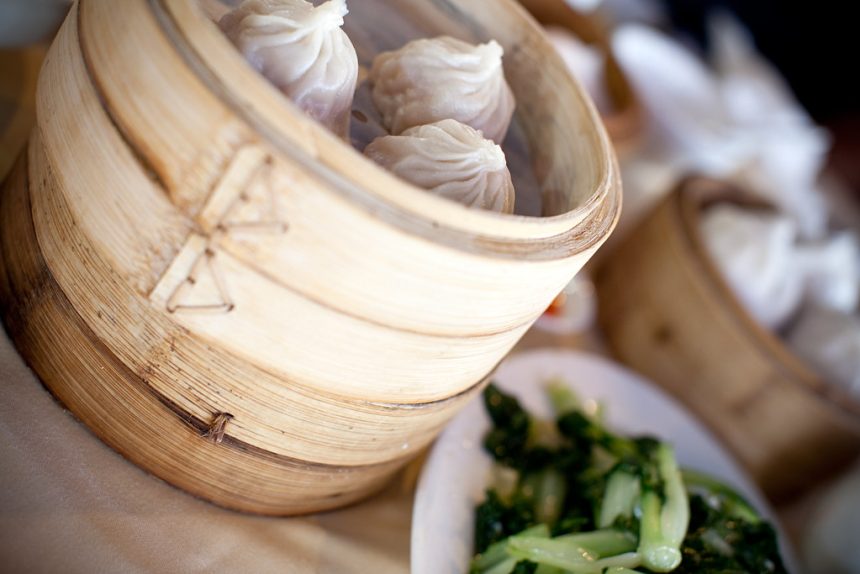
For many diners outside China, dim sum is synonymous with steaming baskets of har gow and siu mai, rolled past tables on metal carts. This image, while not wrong, is incomplete. Dim sum is not a single, fixed cuisine but a broad tradition shaped by geography, history, and local taste. Across China and beyond, regional interpretations of dim sum challenge the idea that it is uniform, predictable, or limited to a familiar set of dishes.
To understand dim sum fully is to recognize it as a living, regional practice — one that changes meaning and expression depending on where it is served.
Cantonese Dim Sum: The Global Reference Point
Cantonese dim sum, originating in southern China, is the version most widely known internationally. Rooted in the teahouse culture of Guangzhou and refined over generations, it emphasizes balance, delicacy, and technical precision.
This style prizes light wrappers, subtle seasoning, and fresh ingredients. Steaming dominates as a cooking method, allowing the natural flavors of seafood, pork, and vegetables to remain clear. The experience is designed to be leisurely, encouraging conversation and extended meals rather than quick consumption.
Its global popularity has, however, led many to assume it represents dim sum as a whole — an assumption other regions quietly contradict.
Hong Kong: Precision and Prestige
In Hong Kong, dim sum evolved alongside rapid urbanization and rising culinary competition. Here, technique and presentation reach their peak. Dishes are often smaller, more refined, and more labor-intensive than their mainland counterparts.
Hong Kong-style dim sum places heavy emphasis on craftsmanship. Dumpling skins are thinner, pleats more precise, and fillings carefully calibrated. Innovation is common, but always restrained. The goal is refinement rather than reinvention, with quality judged by texture and balance as much as flavor.
Shanghai and the Jiangnan Influence
Travel north to the Jiangnan region, including Shanghai, and dim sum begins to look and taste different. Wheat-based doughs replace some rice-flour wrappers, and flavors lean slightly sweeter and richer.
Soup-filled buns and pan-fried items play a more prominent role. Here, dim sum overlaps with the broader tradition of xiao chi — small eats meant to be filling and comforting rather than ethereal. The emphasis shifts from lightness to satisfaction, reflecting regional preferences shaped by climate and agricultural history.
Northern China: Hearty and Functional
In northern regions, dim sum is less associated with teahouses and more with practical nourishment. Cold weather and wheat-heavy agriculture influence both form and flavor. Dumplings are thicker, breads more substantial, and portions larger.
While the term “dim sum” may not always be used explicitly, the philosophy of small, shareable dishes remains. The experience is less ceremonial and more utilitarian, designed to sustain rather than to linger.
Chaoshan: Precision Through Restraint
The Chaoshan region in eastern Guangdong offers a highly distinctive approach. Ingredients are minimal, seasoning restrained, and technique highly exacting. Seafood plays a dominant role, often served nearly plain to showcase freshness.
Chaoshan dim sum reflects a culinary philosophy where interference is minimized. Sauces are light, flavors clean, and textures carefully preserved. For diners accustomed to bolder profiles, this style can feel understated — yet it demands a refined palate.
What distinguishes Chaoshan dim sum is its focus on:
- Ingredient quality over complexity
- Precision over abundance
Southeast Asian Adaptations
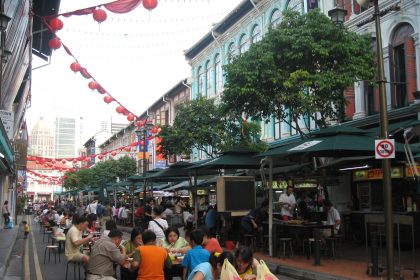
Dim sum traditions also evolved outside China, particularly in Southeast Asia. In places like Malaysia and Singapore, local ingredients and tastes reshape classic dishes.
Spices become more assertive, sauces more prominent, and formats more flexible. Fried items gain popularity, and chili-based condiments often accompany dishes traditionally served plain. These adaptations reflect local food cultures rather than dilution, demonstrating how dim sum absorbs regional identity without losing its core principles.
Why Dim Sum Resists Standardization
Dim sum’s diversity exists because it was never meant to be standardized. Historically tied to teahouses, travel, and local agriculture, it evolved organically rather than through codified recipes. Its purpose was social as much as culinary — to accompany tea, conversation, and time.
This flexibility allows dim sum to survive across regions and generations. What unites its many forms is not a fixed menu, but a shared approach: small portions, communal eating, and an emphasis on rhythm rather than speed.
Rethinking What You Know
The idea that dim sum is a single cuisine is a product of globalization, not tradition. Each region interprets the concept differently, guided by climate, ingredients, and cultural values. Recognizing these differences deepens appreciation rather than complicating it.
To know dim sum is not to memorize a list of dishes, but to understand its adaptability. The next time you sit down to a familiar basket of dumplings, it is worth remembering: this is only one chapter in a much larger story.