






Asia is one of the world’s most diverse travel regions, offering everything from megacities and ancient heritage sites to remote islands and mountain landscapes. For many travelers, safety is a primary consideration when choosing a destination — not only in terms of crime, but also infrastructure, healthcare access, political stability, and ease of navigation. Several Asian countries consistently rank high for tourist safety, combining low crime rates with reliable systems that support visitors.
Safety, however, is not accidental. It is the result of governance, social norms, urban planning, and long-standing attitudes toward hospitality.
Japan: Order, Predictability, and Low Crime
Japan is widely regarded as one of the safest countries in the world for tourists. Violent crime is extremely rare, petty crime rates are low, and public behavior is governed by strong social norms emphasizing respect and order.
Public transportation is reliable and clearly signposted, even in major cities like Tokyo and Osaka. Lost items are frequently returned, and police presence is visible but non-intrusive. For solo travelers, including women, Japan offers an unusually high sense of personal security at all hours.
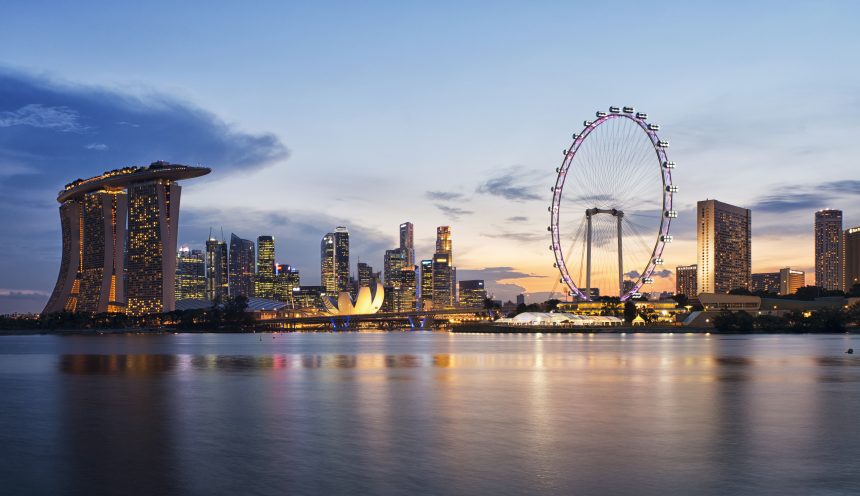
Singapore: Safety by Design
Singapore combines strict law enforcement with advanced urban planning, resulting in one of the safest travel environments in Asia. Crime rates are low, streets are well-lit, and public spaces are carefully maintained.
Tourists benefit from clear regulations, efficient emergency services, and a strong culture of rule compliance. While laws can be strict, they create a predictable environment where visitors rarely feel unsafe or uncertain.
South Korea: Modern Infrastructure and Social Stability
South Korea offers a high level of safety supported by modern infrastructure and strong public services. Major cities are highly surveilled, public transport runs late into the night, and violent crime against tourists is uncommon.
The country’s digital connectivity, efficient healthcare system, and emergency response services further enhance safety. Language barriers exist, but signage and transport systems are increasingly tourist-friendly.
Taiwan: Quietly One of Asia’s Safest
Taiwan is often overlooked in safety discussions, yet it consistently performs exceptionally well. Crime rates are low, locals are known for helpfulness, and cities are easy to navigate.
Taiwan’s healthcare system is advanced, public transport is efficient, and political stability is strong. For travelers seeking safety without the intensity of larger tourist hubs, Taiwan offers a balanced and reassuring environment.
Thailand: Tourist-Safe With Local Awareness
Thailand remains one of Asia’s most visited countries, and its long experience with tourism has shaped safety infrastructure accordingly. While petty scams exist in some areas, violent crime against tourists is rare.
Well-developed transport networks, extensive hospitality services, and a strong tourism police presence contribute to overall safety. Travelers who exercise basic awareness find Thailand welcoming and manageable, even on extended stays.
Malaysia: Stable and Visitor-Friendly
Malaysia offers a stable political environment, low levels of violent crime, and strong infrastructure in urban centers. English is widely spoken, which reduces confusion and risk for international visitors.
Tourist areas are well-policed, and transportation systems are accessible. Malaysia is particularly appealing for travelers seeking cultural diversity without heightened safety concerns.
What Makes These Countries Safer for Tourists
While each destination is different, the safest countries in Asia tend to share common characteristics:
- Low rates of violent crime and strong social norms
- Reliable public transport, healthcare, and emergency services
These factors matter as much as crime statistics, particularly for first-time or solo travelers.
Safety Is Also About Perception and Preparation
Even in the safest countries, tourist safety depends on preparation and situational awareness. Understanding local laws, respecting cultural norms, and using official transport and accommodation options significantly reduce risk.
Importantly, many Asian countries place high cultural value on hospitality. Visitors are often treated with patience and assistance, especially when they demonstrate respect for local customs.
Choosing Safety Without Sacrificing Experience
The safest countries in Asia do not offer sterile or limited travel experiences. On the contrary, they combine security with cultural richness, allowing travelers to explore freely and confidently.
For tourists prioritizing peace of mind alongside discovery, these destinations demonstrate that safety and adventure are not opposites — they are often strongest together.