





Catastrophic Weather Sweeps Through Minas Gerais
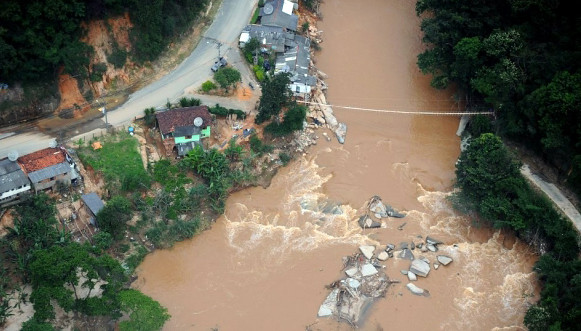
Severe weather triggered by record-breaking rainfall has unleashed deadly floods and landslides across the southeastern Brazilian state of Minas Gerais, killing at least 30 people and leaving dozens more missing, officials confirmed this week. Torrential downpours caused rivers to overflow and hillsides to collapse, sweeping away homes and submerging entire neighbourhoods in mud and debris. Rescue and recovery efforts continue amid widespread disruption and a growing humanitarian crisis.
The hardest-hit cities — Juiz de Fora and Ubá — saw rivers burst their banks and valleys turned into raging torrents after an intense downpour between 23 and 24 February 2026. Municipal authorities described the situation as unprecedented, with February now ranking among the rainiest months on record for the region.
Human Toll and Missing Residents
State firefighters confirmed the deaths occurred primarily in landslides that buried hillside homes, catching many residents off guard while they slept. At least 39 people remain missing as search teams, supported by sniffer dogs and heavy machinery, comb through unstable terrain for survivors.
More than 200 people have been rescued from floodwaters, and roughly 440 residents have been displaced in Juiz de Fora alone, according to local officials. Emergency shelters have been set up in schools and community centres for those forced from their homes.
In addition to the confirmed fatalities, dozens of families wait anxiously for news of missing loved ones, with rescue teams working around the clock in hazardous conditions amid lingering risk of further slides and rising waters.
Infrastructure Damage and Emergency Response
The extreme downpour inundated streets, damaged roads and bridges, and caused widespread power outages across the region, compounding the challenges faced by emergency crews. Officials from the Minas Gerais Fire Department have mobilised more than 130 personnel, with support from federal, state and municipal agencies, to coordinate rescue and relief efforts.
Mayor Margarida Salomão of Juiz de Fora declared a state of public calamity, a move intended to accelerate the delivery of government aid and unlock emergency funding to assist impacted communities. The declaration also facilitates the deployment of additional resources for reconstruction and the restoration of basic services.
President Luiz Inácio Lula da Silva expressed condolences to the families of the victims and pledged federal assistance for both immediate humanitarian support and long-term recovery, emphasising the government’s commitment to helping displaced residents and rebuilding damaged infrastructure.
Record Rainfall and Climate Patterns
Meteorological data shows that Juiz de Fora recorded more than 580 mm (23 inches) of rain during the storm cycle, more than double its typical February average. The downpours were driven by a series of slow-moving storm systems that lingered over southeastern Brazil, continuously dumping precipitation over the already saturated landscape.
The heavy rains and landslide disasters in Minas Gerais come amid a pattern of increasingly extreme weather events in Brazil, where climate scientists have linked more frequent intense rainfall and flooding to broader climate change impacts. The region has previously experienced deadly floods and mudslides, underscoring the growing vulnerability of communities in mountainous and riverine areas.
Displacement and Humanitarian Needs
Beyond the immediate search and rescue operations, local authorities are grappling with the broader humanitarian fallout. Thousands of residents have been forced from their homes, many of which were destroyed or rendered unsafe by flooding or landslide damage. Temporary shelters are crowded, and displaced families are in urgent need of food, clean water, medical assistance and sanitation support.
Officials warn that the risk of additional slides and localized flooding remains as new rain is forecast in the coming days, complicating recovery efforts and threatening already unstable slopes. Emergency planners emphasise the need for continuous monitoring and community preparedness as the rainy season progresses.
Wider Implications for Disaster Preparedness
The destruction in Minas Gerais highlights the broader challenges Brazil faces in bolstering early warning systems, infrastructure resilience and land-use planning in the face of worsening extreme weather. Experts and policymakers have called for improved disaster risk management strategies to protect vulnerable populations and reduce the impact of future events.
As recovery begins, local and national authorities are working to assess the full scale of the damage, aid displaced individuals, and develop strategies to mitigate similar disasters in the future — even as the immediate priority remains saving lives and providing relief to those affected.