




Taliban-led Government Claims to Have Thwarted Strike
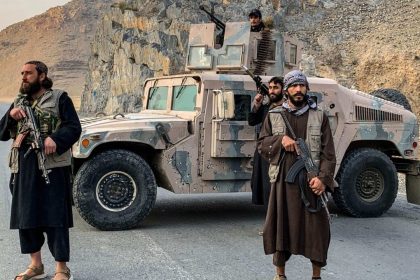
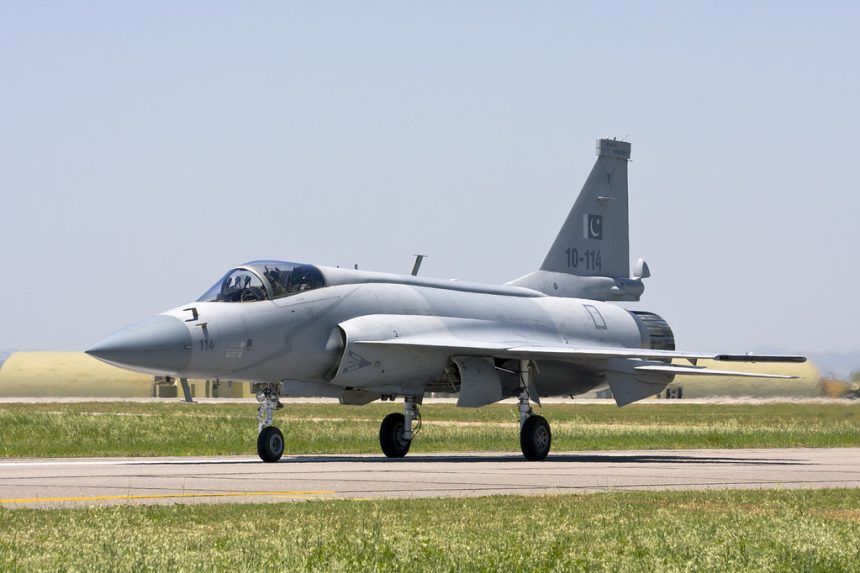
Afghanistan’s Taliban-led authorities say they successfully repelled an attempted airstrike by Pakistan on Bagram Air Base — a strategically crucial former U.S. military installation north of Kabul — as tensions between the neighbouring countries have erupted into some of the fiercest fighting in years. According to Afghan officials, the thwarted attack occurred early Sunday when multiple Pakistani fighter jets allegedly entered Afghan airspace and attempted to bomb the facility, but were met with anti-aircraft fire and air defence measures. The Associated Press reported that Afghan forces said they “managed to thwart the attack” using anti-aircraft systems (AP News).
The claim of a foiled airstrike emerged amid the fourth consecutive day of cross-border hostilities, which have alarmed regional and global observers and triggered calls for an immediate cessation of fighting.
Clashes Mark Sharp Escalation in Afghanistan-Pakistan Conflict
The violence between Afghanistan and Pakistan stems from a breakdown in relations that had been tense for months over accusations of insurgent sheltering and cross-border attacks. Pakistan accuses the Taliban government of harbouring the Tehreek-e-Taliban Pakistan (TTP) and other militant groups blamed for deadly assaults inside Pakistan — allegations the Afghan side denies. ABC News reported that Islamabad has characterised its ongoing military response as part of an “open war” declared after the latest round of clashes.
According to Afghan statements, the attempted strike on Bagram occurred at about 5 a.m. local time and involved several military jets crossing into Afghan airspace before being turned back by defensive fire from anti-aircraft units stationed near the base. There was no immediate public reaction from Pakistan to Kabul’s account of the thwarted attack (AP News).
Bagram’s Strategic and Symbolic Significance
Bagram Air Base, once the largest U.S. military and NATO hub in Afghanistan during the two-decade war that preceded the Taliban’s return to power in 2021, sits roughly 40 km north of Kabul and has long been viewed as a key strategic asset. Taliban forces seized control of the facility following the chaotic American withdrawal, and it has remained under their control ever since. According to the AP report, the base’s symbolic and military value makes any direct strike — even if unsuccessful — a significant development in the ongoing conflict (AP News).
The current clashes began after Kabul launched a broad retaliatory operation in response to a series of earlier Pakistani air attacks against targets in eastern Afghanistan. Pakistan says its previous strikes were aimed at militant hideouts tied to the TTP, though Afghanistan says the assaults mainly hit civilian areas and infrastructure. ABC News highlighted that past attempts at negotiated ceasefires, including talks mediated by Qatar and Turkey, have failed to prevent renewed hostilities.
Unverified Claims and Conflicting Narratives
Independent verification of events on the ground remains limited amid ongoing fighting. Satellite imagery published by international outlets suggests that multiple strikes on Bagram Air Base did occur, showing damaged structures and signs of explosions, although the exact timing and success of Pakistan’s operations remain contested by Afghan officials (context from ongoing 2026 conflict reporting).
Meanwhile, Reuters reported that both sides claimed battlefield successes but offered sharply divergent casualty figures and narratives about air operations, underscoring the difficulty of confirming independent facts amid intense conflict.
Wider Humanitarian and Regional Implications
The conflict has exacted a heavy toll on civilian populations near the border and in contested provinces, drawing concern from the United Nations Assistance Mission in Afghanistan (UNAMA) and other humanitarian observers. Reuters and UN sources have reported dozens of civilian deaths over recent days as cross-border shelling, air raids and ground clashes disrupt everyday life and impede humanitarian access.
International reactions have so far emphasised calls for de-escalation and respect for sovereign borders, even as Islamabad insists its actions are necessary to counter militant threats and Kabul rejects allegations of tolerating anti-Pakistan groups.
Conflict Continues With No Immediate End in Sight
As of the latest reports, fighting between Afghan and Pakistani forces shows no sign of abating, and both sides continue to exchange fire along the 2,600-kilometre frontier. The situation remains highly fluid, with battlefield claims and counterclaims multiplied by political rhetoric and limited independent access to conflict zones — a combination that complicates efforts to verify events such as the reported thwarted airstrike.
For now, Afghanistan’s assertion that it repelled the attempted airstrike on Bagram Air Base — whether fully accurate or only partly reflective of what occurred — reflects the deep mistrust and hostility that have driven the most serious deterioration in bilateral relations in years.