





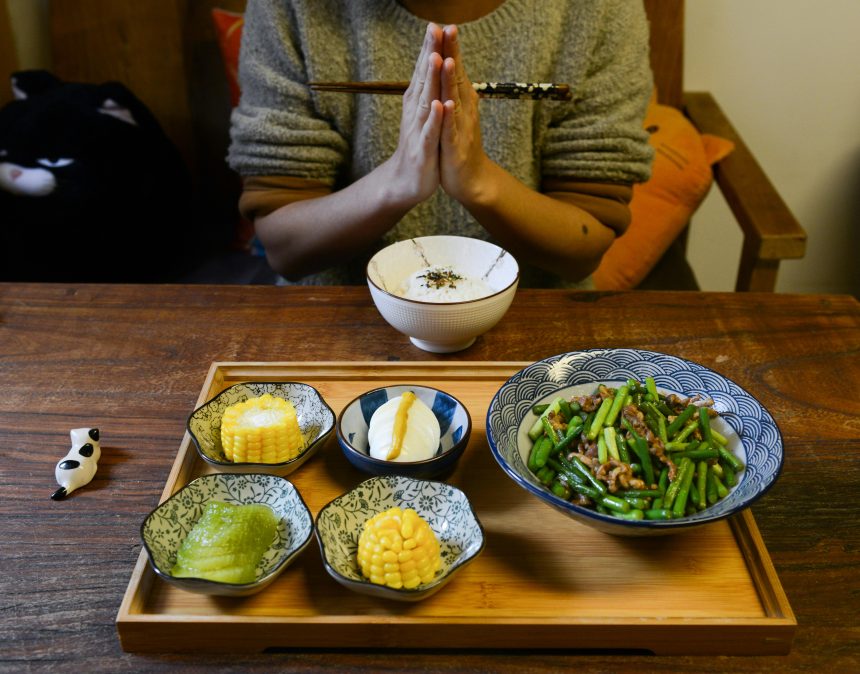
In many cultures, eating alone is framed as a compromise—something done out of necessity rather than choice. In Japan, it is often the opposite. Dining solo is not a marker of loneliness, but a socially accepted, even quietly respected, way of engaging with food.
Across cities and towns, Japan has built an entire dining infrastructure around the individual eater. From ramen counters to set-meal restaurants, the country treats solitary dining not as an exception, but as a norm. The result is a form of everyday luxury that feels rare elsewhere: the freedom to eat alone without explanation, judgment, or interruption.
A Culture That Respects Personal Space
Japanese social norms place high value on consideration for others, which extends naturally into public spaces. Silence is not awkward; it is polite. Solitude is not suspicious; it is ordinary.
This cultural framework allows solo diners to exist comfortably in restaurants without drawing attention. Staff rarely rush conversation, tables are not rearranged to “fill gaps,” and diners are not made to feel incomplete without companions.
Eating alone fits seamlessly into daily life—whether during a work break, while traveling, or as a deliberate moment of pause.
Restaurants Designed for One
Architecture That Normalizes Solitude
Japan’s dining spaces often reflect a deep understanding of individual needs. Counter seating is common, particularly in casual restaurants, allowing solo diners to eat without facing empty chairs or feeling conspicuous.
Some establishments take this further by designing environments specifically for one person. Booths with dividers, ticket-based ordering systems, and minimal interaction models remove social pressure entirely.
This is not about isolation—it is about focus. The design prioritizes the experience of eating itself.
Ramen, Set Meals, and the Art of Focused Eating
Few foods illustrate Japan’s solo-dining culture better than ramen. Ramen shops often encourage quiet, concentrated eating, with customers seated shoulder to shoulder, eyes on the bowl.
Similarly, set-meal restaurants serve balanced trays designed for one person, eliminating the need for sharing or negotiation. The structure allows diners to engage fully with texture, temperature, and timing.
In these settings, eating becomes almost meditative—an activity worth one’s full attention.
Solo Dining as Emotional Rest
A Pause Without Performance
In many societies, meals are social performances. Conversation, pacing, and politeness shape how food is consumed. Eating alone in Japan offers relief from that performance.
There is no expectation to entertain or be entertained. No pressure to linger or rush. The diner sets the tempo.
For travelers in particular, this can feel restorative. After navigating language barriers, crowds, and constant stimulation, solo dining provides a moment of control and calm.
Why Eating Alone Feels Luxurious Here
Luxury is often associated with abundance or exclusivity. In Japan, the luxury of eating alone is subtler. It lies in permission.
Permission to:
- Eat quickly or slowly, without comment
- Focus entirely on taste and texture
This freedom is rare precisely because it is understated. It does not announce itself. It simply exists.
A Reflection of Broader Social Values
Japan’s acceptance of solo dining mirrors a broader respect for autonomy. Individuals are allowed to occupy space without justification. Activities do not require witnesses to be valid.
This mindset extends beyond food, shaping how people commute, shop, and spend time alone. Eating solo is not an outlier—it is part of a continuum that values self-sufficiency without stigma.
The Contrast With Other Dining Cultures
For visitors from more socially demonstrative cultures, this can feel revelatory. What might feel awkward at home—requesting a table for one, eating in silence, leaving promptly—feels entirely natural in Japan.
That contrast highlights how much discomfort around solo dining is culturally constructed rather than inherent.
Final Thoughts: Solitude as a Form of Care
The quiet luxury of eating alone in Japan is not about withdrawal. It is about intentional presence. It allows food to be experienced on its own terms and the diner to exist without social obligation.
In a world that increasingly equates value with visibility, Japan offers a different proposition: that solitude can be dignified, efficient, and deeply satisfying.
Sometimes, the most luxurious meal is not the most elaborate one—but the one you are free to enjoy entirely by yourself.