




Hollywood on Edge as AI Video Tool Goes Viral
A new artificial intelligence video-generation application developed by Chinese tech giant ByteDance has provoked an intense backlash from the entertainment industry, with major Hollywood studios and creators warning that the technology could upend traditional film production, infringe copyright and even diminish the role of human artistic labour. The tool — Seedance 2.0 — has become so controversial that legal threats and demands for tighter safeguards now dominate global discussion around the future of generative AI in media.
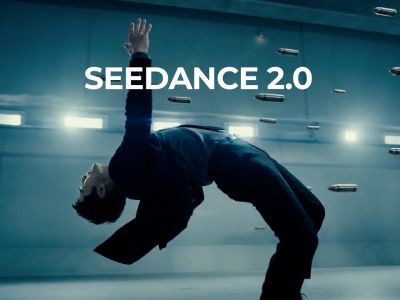
Released in February 2026, Seedance 2.0 enables users to generate high-quality, cinematic-style video content — complete with sound effects, dialogue and narrative continuity — from just a few lines of text or simple prompts. Clips portraying familiar Hollywood actors and scenes have gone viral, stirring deep concern among film studios, creative unions and leading filmmakers who contend the tool skews far beyond experimental AI into territory that threatens industry norms.
How Seedance Works and Why It Worries Creators
At its core, Seedance 2.0 uses advanced generative AI to translate textual prompts or brief descriptions into full motion video sequences, seamlessly combining visuals, audio and storytelling elements in ways previously unimaginable from a consumer-oriented AI model. The generated clips often feature realistic depictions of characters and scenarios evocative of major motion pictures, even including digital likenesses of well-known actors — all without the need for specialised filmmaking equipment or in-depth production training.
Some of the most widely circulated test videos include imagined fights between stars like Brad Pitt and Tom Cruise, or fantastical reinterpretations of familiar franchises — content that, despite its AI origins, looks strikingly polished and cinematic. The Motion Picture Association (MPA) and the actors’ union SAG-AFTRA have both condemned the tool’s output, describing it as tantamount to unlicensed reproduction of copyrighted material and asserting that such capabilities endanger the jobs and creative rights of performers and writers.
Legal Backlash: Disney and Studios Push Back
The controversy escalated in mid-February 2026 when The Walt Disney Company sent a cease-and-desist letter to ByteDance, accusing the company of distributing Seedance 2.0 with a “pirated library” of characters and copyrighted elements from franchises such as Star Wars and Marvel without permission or compensation to rights holders. Disney’s lawyers characterised the practice as a form of intellectual-property plunder, intensifying the legal spotlight on generative AI tools.
Other major studios — including Paramount, Warner Bros. and Netflix — have echoed these demands, with industry bodies urging ByteDance to halt the spread of Seedance’s infringements and to implement meaningful safeguards to prevent unauthorized use of protected creative content. These collective actions represent a rare moment of unity within Hollywood, traditionally fragmented by competition, over the emerging AI threat.
Creators Sound the Alarm Over AI’s Trajectory
Beyond legal jousting, some creators have voiced visceral concern about the broader implications of Seedance-style tools. Veteran screenwriter Rhett Reese, known for work on films such as Deadpool & Wolverine, noted on social media that after witnessing AI-generated content with convincing star likenesses, he fears human creativity may be sidelined entirely unless robust industry responses emerge. This sentiment — that AI could “replace” human roles — has struck a chord with many in the creative community.
Professional organisations like the MPA have emphasised that without proper constraints, models like Seedance not only violate existing copyright frameworks but could erode the livelihoods of millions of people employed across writing, acting, directing and behind-the-scenes production roles that underpin the global entertainment economy.
ByteDance’s Response and Future Safeguards
Facing mounting pressure, ByteDance has publicly pledged to strengthen protections within Seedance to curb unauthorized use of copyrighted characters and actors’ likenesses. The company stated it “respects intellectual property rights” and is working to implement more effective safeguards, though details on how these would operate remain limited.
Industry observers note that while such adjustments may temporarily placate critics, the controversy highlights broader regulatory and ethical questions about how generative AI models access and reuse training data, how copyright law applies in the AI era, and how creators can be compensated or protected when machines can conjure realistic derivative content with minimal human input.
Broader Implications for AI and Entertainment
The Seedance 2.0 backlash reflects a growing global tension at the intersection of AI innovation, copyright law and creative labour. As generative tools become more powerful and accessible, questions about ownership, consent and the future role of human storytellers loom large. For Hollywood — an industry deeply rooted in intellectual property and licenced franchises — the arrival of AI video generators has prompted renewed calls for international standards, regulatory frameworks and industry-wide governance to ensure technology augments rather than supplants human artistry.
As the debate continues, studios, unions and tech companies alike will be watching closely to see whether solutions emerge that balance innovation with the preservation of creative industries — or whether this technological inflection point will redefine the rules of entertainment itself.