





Tokyo Announces Missile Deployment Near Taiwan
Japan’s government has confirmed plans to deploy surface-to-air missiles on Yonaguni Island, its westernmost territory near Taiwan, by March 2031, Defence Minister Shinjiro Koizumi announced this week. The announcement marks the first time Tokyo has specified a timeline for such a deployment, underscoring Japan’s evolving defence posture in response to growing regional security challenges.
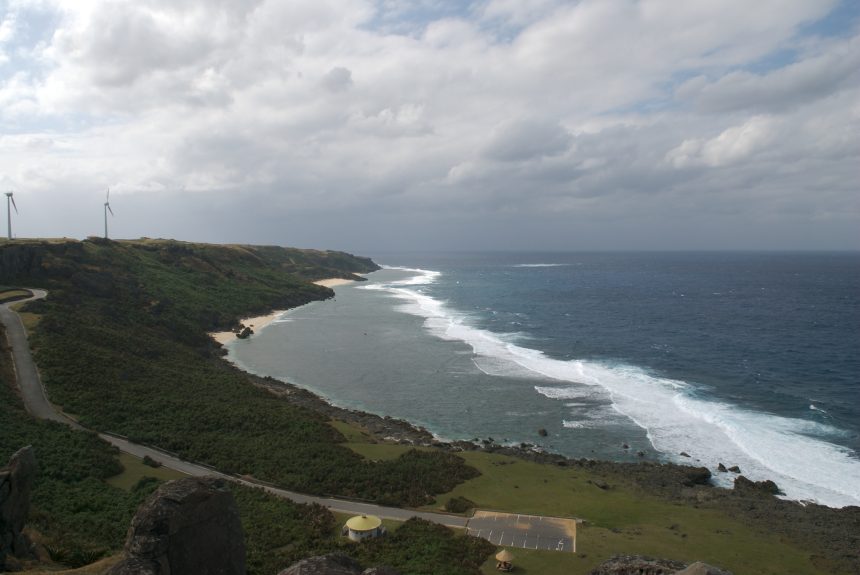
Yonaguni — located roughly 110 kilometres (68 miles) from Taiwan and visible from the island on clear days — is strategically positioned at the edge of Japan’s territory. The planned missile systems are intended to bolster Japan’s air defence capabilities amid increasing concerns about potential conflict scenarios in the Taiwan Strait and assertive military activity by China in the broader East China Sea region.
Details of the Missile System and Deployment Plan
According to Koizumi, the deployment will take place during Japan’s fiscal 2030, which runs until the end of March 2031, with preparations already underway for the necessary facilities on the island. This initiative was first announced in 2022 as part of a broader decision to enhance air defences on Japan’s remote southwestern islands, but officials had not previously offered a firm schedule until now.
The missile systems are expected to include medium-range surface-to-air systems capable of intercepting hostile aircraft and ballistic threats, enhancing Japan’s capacity to defend its airspace and contribute to deterrence in a region marked by rising geopolitical tensions.
Strategic Imperatives and Regional Security Context
Japan’s strategic shift toward strengthening its southern and western defences reflects growing anxiety about China’s expanding military capabilities and its increasing operations near Taiwanese airspace and maritime zones. Beijing views self-ruled Taiwan as part of its territory and has not ruled out using force to achieve reunification — a prospect that has heightened security concerns among Tokyo’s policymakers and allies.
In recent months, tensions between Japan and China have intensified. In November 2025, Japanese Prime Minister Sanae Takaichi made remarks suggesting Tokyo might deploy its Self-Defense Forces (SDF) in the event of a Chinese attack on Taiwan, a statement that drew sharp criticism from Beijing and contributed to diplomatic strain. In response, China has pushed back through economic measures, naval activity in nearby waters, and other political gestures.
Domestic and Local Impact
Yonaguni Island already hosts a Japan Ground Self-Defense Force (GSDF) base, reflecting Tokyo’s longstanding efforts to monitor regional military movements. According to local information, radar installations have been in place since 2016, and in recent years additional units including electronic warfare elements have been deployed to strengthen surveillance capabilities.
While some local residents have supported the increased military presence as a means of enhancing security, others express concerns that Yonaguni’s proximity to Taiwan could make it a potential flashpoint in any future conflict, raising fears about safety and the island’s role in broader geopolitical confrontations.
Reactions from Beijing and International Observers
China has not formally responded to the recent missile deployment timeline but has historically viewed military enhancements by Japan near Taiwan with deep scepticism and alarm. Chinese officials have described such moves as provocative and indicative of perceived shifts in Japan’s post-World War II defence posture. Analysts warn that Tokyo’s clear schedule and willingness to amplify its defensive footprint may further complicate already sensitive diplomatic and security ties in East Asia, especially as regional powers conduct their own military modernisation efforts.
Strategic Bridge in Indo-Pacific Defence
The missile deployment on Yonaguni Island is part of a broader trend in which Japan seeks to diversify and strengthen its defence capabilities across its southwestern islands, including other systems on Ishigaki Island and additional aerial and maritime surveillance measures. These moves are increasingly framed not only as national self-defence but also as contributions to collective security with allies in the face of shifting strategic balances.
Japan’s decision to set a firm timeline for missile deployment reflects a calculated response to evolving threats in the Indo-Pacific, aligning with broader regional defence initiatives among like-minded partners concerned about stability and security in and around the Taiwan Strait. How this will affect diplomatic ties, economic links and on-the-ground relations with China remains a key question for policymakers in Tokyo and beyond as the 2031 deadline approaches.