

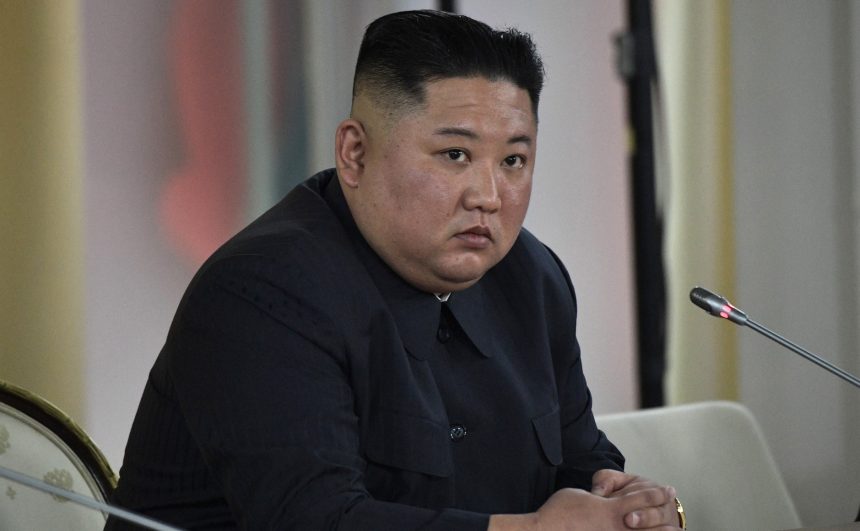
In a highly orchestrated reaffirmation of authority, Kim Jong Un has been re-appointed as the leader of North Korea’s ruling Workers’ Party of Korea (WPK) — solidifying his unchallenged grip over the secretive state and setting the stage for the next phase of domestic and foreign policy priorities.
Leadership Reaffirmed at the Ninth Party Congress
At the heart of this development was the ongoing Ninth Congress of the Workers’ Party of Korea, held in Pyongyang and attended by thousands of delegates from across the isolated nation. According to North Korean state media, the gathering unanimously decided to re-elect Kim Jong Un as General Secretary of the WPK, the party’s top leadership position.
Under the party’s regulations, the congress — a rare and highly controlled political ritual — is the body responsible for electing the general secretary every five years. Kim, now in his mid-40s, has steered the party since 2011, following the death of his father and predecessor, Kim Jong Il.
State media framed the reappointment as an expression of unanimous loyalty from delegates, military personnel, and “the people,” underscoring the centralized nature of political power in North Korea and the absence of any visible domestic contestation.
Domestic Justification: Stability and Military Strength
Official reporting around the congress emphasized achievements attributed to Kim’s leadership, chief among them the rapid enhancement of North Korea’s nuclear forces and military deterrent capabilities. Delegates and WPK officials lauded Kim’s stewardship in bolstering what state media described as “revolutionary armed forces” capable of defending the country against external threats.
The event — which is broadcast selectively and with strict state control — portrayed the reappointment not only as a continuation of leadership but as a validation of North Korea’s strategic priorities: nuclear strengthening, defense autonomy, and resistance to international pressure.
Shifts in the Party’s Ranks and Policy Signals
Beyond Kim’s own reelection, the congress reportedly approved a new Central Committee lineup, which analysts see as reflective of a broader generational transition within the elite. Several senior figures from previous leadership circles have been replaced, signaling a potential reshuffle in political influence and loyalty networks around Kim’s inner circle.
While details of specific policy resolutions adopted at the congress remain limited in public reporting, state messaging points toward continued emphasis on economic self-reliance, military modernization, and diplomatic positioning, particularly in relation to South Korea, the United States, China, and Russia.
International Context and Strategic Messaging
International observers and analysts have interpreted Kim’s reappointment as a predictable but significant indicator of North Korea’s policy continuity. Despite ongoing international sanctions and diplomatic isolation, Pyongyang has sought to project an image of resilience — especially regarding its nuclear program — while maintaining close, if complex, ties with both China and Russia.
The congress also serves as a platform for signaling to external audiences: by centering national pride and strategic defense accomplishments, the regime aims to shore up internal legitimacy and present a firm negotiating stance on the global stage.
What Comes Next
With his position reaffirmed, Kim Jong Un is expected to continue shaping North Korea’s political trajectory with a focus on military strength, economic management under sanctions, and domestic unity. The outcomes of the congress — including any further declarations on policy or leadership grooming — will be closely watched by regional capitals and international security analysts in the coming weeks.