




Japan offers an extraordinary blend of ancient tradition and futuristic modernity. For first-time travelers, choosing the right cities is essential to experiencing the country’s cultural depth, culinary excellence, and seamless infrastructure without feeling overwhelmed. Fortunately, Japan’s transport network makes multi-city travel efficient, allowing visitors to explore diverse regions within a single itinerary.
Below are the best cities in Japan for first-time visitors, selected for accessibility, cultural significance, and overall travel experience.
Tokyo: The Essential Introduction
Tokyo is the natural starting point for most first-time visitors. As Japan’s capital, it presents a layered experience: neon-lit districts like Shibuya and Shinjuku contrast with historic neighborhoods such as Asakusa.
Tokyo excels at balancing intensity with order. Despite its size, public transport is punctual and intuitive, and signage increasingly accommodates English speakers. Visitors can explore cutting-edge technology, centuries-old temples, themed cafés, Michelin-starred restaurants, and tranquil gardens — often within the same day.
For newcomers, Tokyo offers both immersion and infrastructure, making it a manageable yet unforgettable entry point.
Kyoto: Traditional Japan Preserved
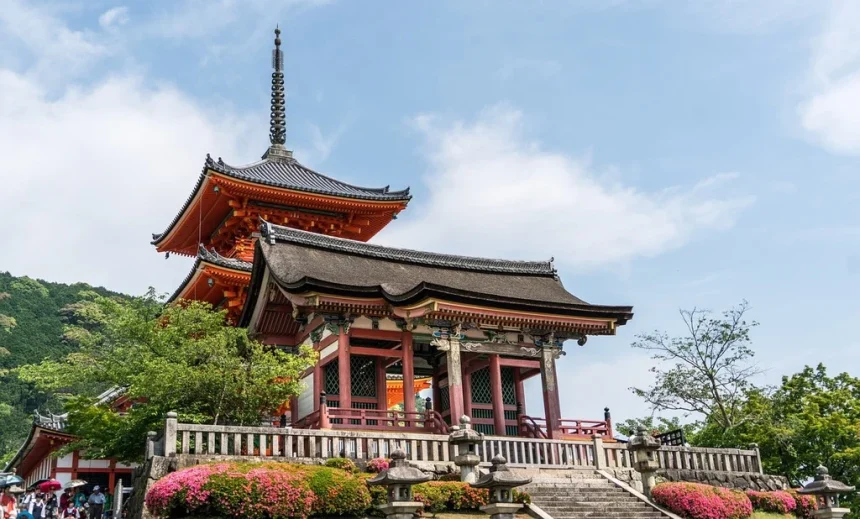
Kyoto represents Japan’s cultural heart. Once the imperial capital, Kyoto is home to over a thousand temples, shrines, and traditional wooden machiya houses.
Landmarks such as Fushimi Inari Shrine and the Arashiyama Bamboo Grove provide iconic imagery, but Kyoto’s true appeal lies in atmosphere. Narrow alleys, tea ceremonies, and seasonal gardens reflect a slower rhythm than Tokyo’s pace.
For first-time travelers seeking historical depth and aesthetic refinement, Kyoto delivers a concentrated experience of traditional Japan.
Osaka: Food and Informal Energy
Osaka offers a livelier, more informal counterpoint to Kyoto. Known for its street food culture and friendly locals, Osaka introduces visitors to Japan’s culinary creativity.
Districts like Dotonbori are filled with neon signage, street vendors, and late-night energy. Compared to Tokyo, Osaka feels less formal and more approachable. It also serves as a convenient base for day trips to nearby cities.
For food-focused travelers, Osaka is often considered essential.
Hiroshima: History and Reflection
Hiroshima provides one of Japan’s most significant historical experiences. The Hiroshima Peace Memorial Park and Museum offer a sobering yet essential perspective on 20th-century history.
Beyond its historical weight, Hiroshima is a modern, welcoming city with excellent local cuisine — particularly okonomiyaki. Nearby Miyajima Island, home to the famous floating torii gate, adds natural beauty to the visit.
For first-time travelers, Hiroshima balances remembrance with resilience.
Nara: Compact and Cultural
Nara is ideal for a short visit, particularly from Kyoto or Osaka. Known for its free-roaming deer and monumental Todaiji Temple, Nara offers a compact but culturally rich experience.
Its walkable layout makes it easy for travelers adjusting to Japan’s pace and transportation systems. For families and culture enthusiasts alike, Nara provides a gentle introduction to Japan’s classical heritage.
Hakone: Nature Near the Capital
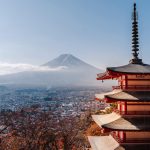
Hakone offers a convenient escape from Tokyo’s urban density. Known for hot spring resorts (onsen) and views of Mount Fuji, Hakone allows first-time visitors to experience Japan’s natural beauty without extensive travel.
The Hakone Loop — combining train, cable car, ropeway, and boat — creates an accessible sightseeing circuit. For those with limited time, Hakone adds landscape diversity to an otherwise city-focused itinerary.
Suggested First-Time Itinerary Structure
Many first-time visitors combine these cities for a balanced experience:
- Tokyo for modern culture and urban exploration
- Kyoto and Osaka for tradition and culinary depth
Adding Hiroshima or Hakone depends on available time and interest in history or nature.
Why These Cities Work for Beginners
These destinations share key advantages:
- Strong transport connections via the Shinkansen (bullet train)
- Well-developed tourist infrastructure with multilingual signage
They provide cultural range without overwhelming logistical complexity.
Planning Considerations
Japan’s peak travel seasons include cherry blossom season (late March to early April) and autumn foliage (November). These periods offer exceptional scenery but attract large crowds.
Spring and autumn provide the most comfortable weather overall. Summer can be hot and humid, while winter offers fewer crowds and unique seasonal experiences, particularly in northern regions.
A Balanced Introduction to Japan
For first-time travelers, Japan’s appeal lies in contrast: skyscrapers and shrines, tradition and innovation, efficiency and ritual. The cities highlighted above offer the most accessible and rewarding introduction to these contrasts.
By combining urban intensity with historical depth and natural beauty, visitors can experience the many dimensions of Japan within a manageable itinerary — ensuring that a first visit feels comprehensive rather than rushed.