



China has emerged as a global leader in artificial intelligence (AI), integrating cutting-edge technology into various aspects of daily life. From smart cities to healthcare advancements, AI-driven solutions are transforming how people work, live, and interact across the country. Here’s a look at how AI is shaping everyday experiences in China.
AI-Powered Smart Cities: Enhancing Urban Living
China’s rapid urbanization has led to the rise of AI-powered smart cities designed to improve infrastructure, optimize resources, and enhance public services. Cities like Shenzhen, Hangzhou, and Shanghai are leading the way in smart city development, utilizing AI to streamline urban management.
Traffic Management and Public Safety
In cities like Hangzhou, AI-driven traffic systems developed by Alibaba help monitor and manage traffic flow in real time. These systems can predict traffic patterns, adjust signal timings, and even reduce congestion by up to 15%. Additionally, AI-powered surveillance networks aid in crime prevention and public safety, making cities more secure for residents.
Energy Efficiency and Waste Management
AI is also transforming how cities manage resources. In some areas, AI monitors and optimizes energy use in buildings, helping reduce electricity consumption and emissions. Waste management systems use AI to analyze waste disposal patterns and improve recycling processes, creating a cleaner and more sustainable environment.
Retail and E-Commerce: Personalization and Efficiency
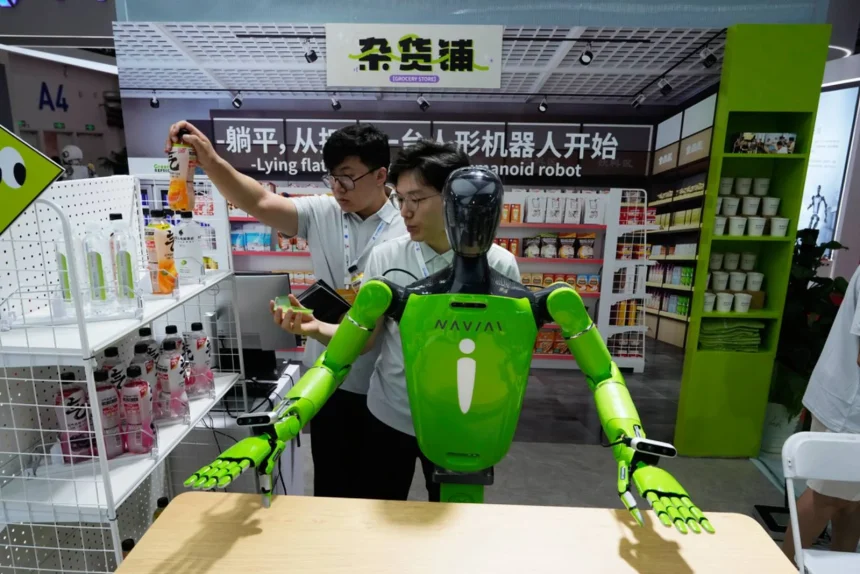
China’s retail and e-commerce sectors have fully embraced AI, offering consumers a more personalized and seamless shopping experience. Giants like Alibaba and JD.com leverage AI for everything from customer recommendations to automated warehouses.
Personalized Shopping Experiences
AI algorithms analyze user data to predict preferences and suggest products, creating a highly personalized shopping experience. For example, Taobao and Tmall use machine learning to recommend items based on a shopper’s browsing history, enabling a tailored experience that drives customer satisfaction and sales.
Autonomous Delivery and Smart Warehouses
To meet the demand for fast delivery, companies like JD.com have developed smart warehouses and autonomous delivery robots. In urban areas, drones and robots are now delivering packages, reducing human involvement and making deliveries more efficient. These innovations are especially valuable during high-demand shopping events like Singles’ Day, when millions of parcels are processed and delivered within days.
Healthcare Advancements: Improving Access and Diagnosis
AI is revolutionizing healthcare in China, improving diagnosis accuracy, patient access, and treatment methods. With AI-powered diagnostic tools, patients can receive faster, more accurate care, while healthcare providers can manage resources more effectively.
AI-Assisted Diagnostics and Telemedicine
AI-driven diagnostic tools are helping detect diseases like cancer at earlier stages. For instance, Tencent’s AI tool, Miying, uses machine learning to analyze medical images, assisting doctors in detecting early signs of disease. This technology is especially valuable in rural areas, where specialist healthcare may not be readily accessible.
Robotic Surgeons and Virtual Nurses
Hospitals in China are now using robotic-assisted surgeries, which improve precision and reduce recovery times for patients. Additionally, AI-powered virtual nurses are deployed in hospitals to monitor patients, answer questions, and reduce the workload on medical staff. These tools make healthcare more efficient and accessible, particularly in densely populated regions.
Education and Learning: AI-Driven Personalization
AI is reshaping education in China, helping students receive personalized, adaptive learning experiences. With AI-powered platforms, students can learn at their own pace, and educators can tailor lessons to meet individual needs.
Smart Classrooms and Online Tutoring
Many schools in China now have smart classrooms that use facial recognition to monitor student engagement and help teachers identify students who may need additional support. AI-based online tutoring platforms like Squirrel AI provide customized lessons based on each student’s strengths and weaknesses, making learning more efficient and enjoyable.
Language Learning and Exam Preparation
Language-learning apps powered by AI, such as Liulishuo, use speech recognition to help users improve pronunciation and fluency. AI-powered apps for exam preparation, like Zuoyebang, offer personalized study plans and practice questions, making it easier for students to succeed in competitive exams.
Financial Services: Streamlining Banking and Security
AI has transformed financial services in China, making banking more secure, accessible, and customer-centric. From online banking to facial recognition payments, AI is enhancing the financial experience for millions of users.
Facial Recognition Payments and Smart ATMs
In cities like Beijing and Shanghai, consumers can make payments using facial recognition technology, eliminating the need for cash or credit cards. AI-powered ATMs are also being introduced, allowing customers to conduct complex transactions using voice commands, making banking more convenient and accessible.
Fraud Detection and Risk Management
Banks in China are using AI to improve fraud detection and enhance cybersecurity. Machine learning algorithms monitor transactions in real-time, identifying unusual patterns and preventing fraud before it occurs. This technology has improved customer trust and security, making online transactions safer for users across the country.
Social Media and Content Creation: AI-Generated Entertainment
China’s social media platforms, such as Douyin (the Chinese version of TikTok) and Kuaishou, are using AI to personalize content and create new forms of entertainment. AI algorithms analyze user preferences to suggest videos, ensuring users see content that matches their interests.
AI-Generated Influencers and Virtual Hosts
AI-generated influencers and virtual hosts are becoming popular in China, with some virtual personalities gaining millions of followers. These AI influencers engage with fans, host live streams, and promote products, blurring the line between reality and virtual entertainment.
Content Moderation and Sentiment Analysis
Social media platforms in China rely on AI to moderate content and monitor sentiment. AI-powered algorithms detect inappropriate content and ensure compliance with local regulations, keeping platforms safe and secure for users. Sentiment analysis helps companies gauge public opinion on topics, allowing brands to tailor marketing campaigns accordingly.
Transportation and Mobility: Autonomous Vehicles and Smart Public Transport
AI is playing a crucial role in transforming transportation in China, particularly with advancements in autonomous vehicles and smart public transportation.
Self-Driving Cars and Ride-Hailing Services
Chinese tech giants like Baidu are leading the development of self-driving cars, with trials underway in cities like Beijing and Guangzhou. Autonomous taxis are now operating in specific zones, providing a glimpse of the future of urban mobility. Ride-hailing services like Didi are integrating AI to optimize routes, reduce wait times, and improve passenger experience.
Smart Public Transport Systems
AI-powered public transportation systems are becoming the norm in major Chinese cities. Smart buses and trains use real-time data to adjust schedules, manage crowds, and ensure efficient travel for commuters. These systems are helping reduce congestion, improve air quality, and make daily commutes smoother for millions.
Conclusion: A Glimpse into the Future
China’s adoption of AI across diverse sectors highlights the technology’s potential to transform daily life on a large scale. From healthcare and education to transportation and retail, AI is improving convenience, safety, and efficiency in unprecedented ways. As China continues to innovate and expand its AI capabilities, the country offers a model for integrating advanced technology into everyday life, setting an example that may influence other nations worldwide.