





Negotiations on Hold as Legal Fallout Reverberates
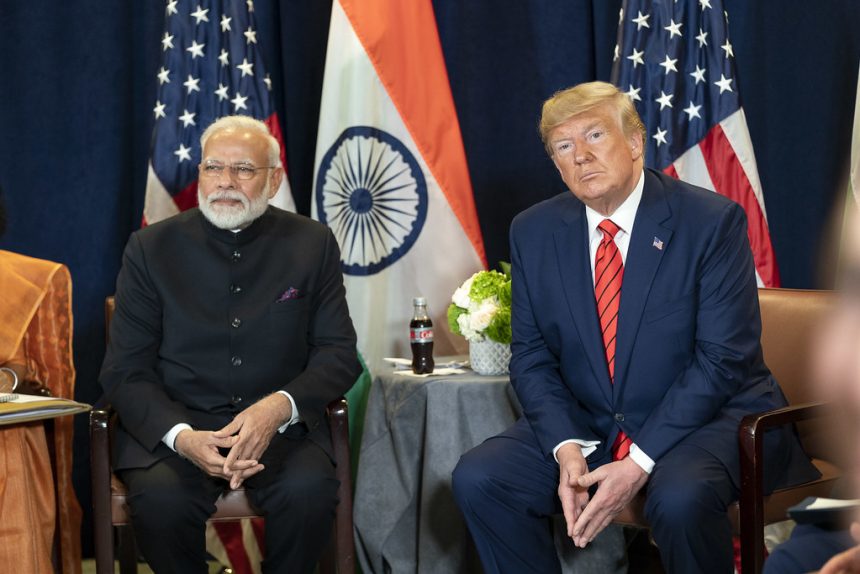
India and the United States have agreed to postpone key trade negotiations originally scheduled for late February in Washington, D.C., after a dramatic turn in U.S. trade policy. The decision to defer talks follows a U.S. Supreme Court ruling that struck down a significant portion of former President Donald Trump’s tariff regime, prompting uncertainty that has stalled progress toward a bilateral interim trade agreement between the two countries. Both governments said they will reschedule discussions once the implications of recent legal and policy shifts are better understood.
The suspended negotiations were to involve senior trade negotiators from both sides and aimed to finalise language for an interim pact that would reduce longstanding tariff tensions. However, the Supreme Court decision — and the U.S. administration’s subsequent tariff adjustments — have complicated the framework in which these talks were to take place.
Legal Upheaval: Supreme Court’s Tariff Ruling and New Duties
Late last week, the U.S. Supreme Court ruled that sweeping tariff measures implemented under Trump’s presidency were unlawful, invalidating much of the emergency authority on which they were based. In response, the **Trump administration moved quickly to establish a temporary 15 per cent global tariff under alternative legal provisions. This revived tariff uncertainty has directly impacted ongoing negotiations with trading partners, including India.
Before the ruling, New Delhi and Washington had been working toward a deal to cut punitive duties on Indian goods — including textiles and manufactured products — to approximately 18 per cent from significantly higher levels tied to earlier tariff disputes. India had also pledged to import roughly US$500 billion of U.S. goods over five years under that framework. The uncertainty caused by the Supreme Court’s decision has prompted Indian officials to reassess the status of those commitments.
Details of the Deferred Negotiations
The talks, which were expected to begin 23 February 2026 in Washington with a three-day agenda, were part of an attempt to codify terms agreed earlier this month in a joint India-U.S. statement aimed at easing tariff pressures. The interim deal was seen as a step toward addressing ongoing disputes that have strained bilateral economic ties, including duties linked to India’s energy imports.
India’s chief trade negotiator, Darpan Jain, and U.S. counterparts had been poised to finalise language for the draft pact — including tariff reductions and expanded market access — when both sides decided to press pause and reassess strategy. Officials from both governments said a new date will be set once the implications of the Supreme Court’s tariff ruling and subsequent U.S. policy moves are analysed.
Domestic Political Fallout and Policy Reappraisal
In India, the deferral has sparked debate among policymakers and opposition figures. The Indian National Congress has urged the government to put the interim trade agreement “on hold” or even renegotiate terms to better reflect the changed legal and economic landscape. Critics argue that the Supreme Court’s decision — followed by tariff adjustments — demands a fresh evaluation of India’s bargaining position and long-term trade strategy.
Meanwhile, the Indian Ministry of Commerce and Ministry of External Affairs have said they are carefully studying the U.S. legal ruling and its effects on trade policy before moving forward. Union ministers have indicated that any decisions on new dates for talks or revised negotiating strategies will wait until thorough legal and economic evaluations are completed.
Economic and Market Implications
The Supreme Court’s tariff ruling has already had immediate market repercussions, with Indian financial markets reacting to the shifts in trade policy and ongoing uncertainty. While some sectors welcomed relief from higher emergency duties, the overall unpredictability of U.S. trade policy — including the introduction of the 15 per cent global rate — has tempered investor optimism.
Exporters and trade analysts have stressed that clarity on tariff structures is critical for planning, particularly in industries like textiles, technology, and agriculture that are heavily tied to U.S. demand. Many Indian businesses had eyed the interim trade deal as a means of stabilising exports and broadening access to American markets.
Outlook for Trade Talks and Diplomatic Relations
Officials on both sides emphasise that deferral does not mean cancellation. Instead, the pause is intended to ensure that negotiations occur within a stable and predictable policy environment. India and the United States remain major trading partners, and both governments have expressed an interest in resuming the dialogue as soon as feasible.
Analysts say the talks could resume once the full impact of the Supreme Court decision is understood and the U.S. clarifies its long-term tariff strategy. Both capitals are expected to maintain communication as they evaluate legal, economic and diplomatic dimensions of the dispute, underscoring the complexity of managing trade relations amid shifting domestic policies and court interventions.
Conclusion: A Strategic Pause in Trade Diplomacy
Rather than a breakdown in cooperation, the deferral of trade talks reflects the profound influence of legal rulings on international economic negotiations. With lawmakers, executives and legal authorities now weighing in on the implications of the U.S. tariff framework, India and the United States have opted for caution, seeking to avoid finalising agreements that may be undermined by policy instability. The coming weeks are likely to see intensified analysis in both capitals as they track developments and prepare for the eventual resumption of trade diplomacy.