

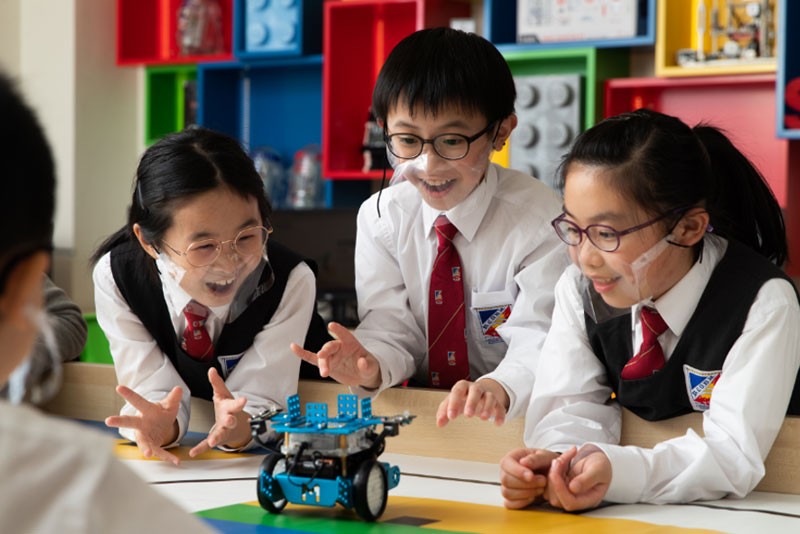
Singapore is renowned for its world-class education system, which has consistently produced top-performing students in international assessments. The Singaporean government places a strong emphasis on education, investing heavily in infrastructure, teacher training, and curriculum development. The result is a highly regarded system that prepares students for success in a rapidly changing global economy.
Compulsory Education and Primary Education
Education in Singapore is compulsory for children between the ages of six and 15 years old. Primary education in Singapore lasts for six years, from the ages of six to 12 years old. Students are taught a range of subjects, including English, Mathematics, Science, and Mother Tongue languages. The curriculum is rigorous, with a strong focus on building a solid foundation in the core subjects.
Secondary Education and the GCE O-Level Examinations
After primary education, students move on to secondary education, which lasts for four to five years, from the ages of 13 to 16 years old. In addition to the core subjects, students take subjects in Humanities, such as History and Geography, and Mother Tongue languages. At the end of the fourth year, students sit for the General Certificate of Education Ordinary Level (GCE O-Level) examinations, which are national standardized tests that determine their eligibility for further education.
Pre-University Education and the GCE A-Level Examinations
Students who wish to pursue higher education can enroll in a two-year pre-university program after completing secondary education. This program prepares students for the General Certificate of Education Advanced Level (GCE A-Level) examinations, which are necessary for admission to universities in Singapore and abroad. The curriculum in pre-university education is highly specialized, with students able to choose from a range of subjects, including Mathematics, Science, Humanities, and the Arts.
Tertiary Education
Singapore has a range of tertiary institutions, including universities, polytechnics, and institutes of technical education. Students can pursue degrees, diplomas, and other qualifications in a variety of fields. The government has invested heavily in these institutions, ensuring that they are equipped with state-of-the-art facilities and staffed by highly qualified teachers.
Specialized Education
Singapore also has specialized schools for students with different abilities and talents, such as the School of the Arts and the Singapore Sports School. These schools provide a nurturing environment for students to develop their skills and talents, while also receiving a high-quality education.
Teaching and Learning
The Singaporean education system places a strong emphasis on academic rigor and the development of critical thinking skills. Teachers are well-trained and highly respected, with many receiving additional training in pedagogy and subject areas. The curriculum is constantly evolving to reflect changing global trends and to ensure that students are equipped with the skills and knowledge they need to succeed in the 21st century.
Conclusion
The Singaporean school education system is a model for excellence, providing students with a world-class education that prepares them for success in a rapidly changing global economy. The system places a strong emphasis on academic rigor and the development of critical thinking skills, and is supported by well-trained teachers and state-of-the-art facilities. Singapore’s investment in education has paid dividends, with its students consistently ranking among the top performers in international assessments. Also check out the article Singapore’s Higher Education System: A Global Model of Excellence.