




Singapore is a small island city-state located in Southeast Asia, known for its highly developed economy, clean streets, and strict laws. While organized crime may not be a significant problem in Singapore, there have been cases of syndicates involved in illegal activities such as gambling, loan sharking, and drug trafficking. In this article, we will explore the history of organized crime in Singapore and the measures taken by the government to combat it.
History of Organized Crime in Singapore
The history of organized crime in Singapore can be traced back to the early 20th century when Chinese secret societies, also known as triads, operated in the city-state. These societies were involved in various illegal activities, including gambling, prostitution, and extortion. In the 1960s and 1970s, Singapore faced a growing problem of secret society violence, with frequent clashes between rival gangs resulting in injuries and deaths.
The Singapore government responded by enacting the Societies Act in 1970, which banned secret societies and made membership in such groups illegal. The police force launched a crackdown on secret societies, arresting and detaining thousands of suspected members. This resulted in a significant decrease in secret society activities in Singapore, with many members leaving the country or renouncing their involvement in criminal activities.
In recent years, Singapore has faced a different type of organized crime, involving syndicates that operate in the shadows and engage in illegal activities such as gambling, loan sharking, and drug trafficking. These syndicates often operate across national borders, making it challenging for law enforcement agencies to track and dismantle their operations.
Measures Taken by the Singapore Government
The Singapore government has taken a strong stance against organized crime and has implemented various measures to combat it. One of the key strategies is the use of strict laws and harsh penalties for those convicted of such offenses. The Criminal Law (Temporary Provisions) Act allows for the detention and preventive detention of suspected criminals without trial, while the Misuse of Drugs Act imposes the death penalty for drug trafficking offenses.
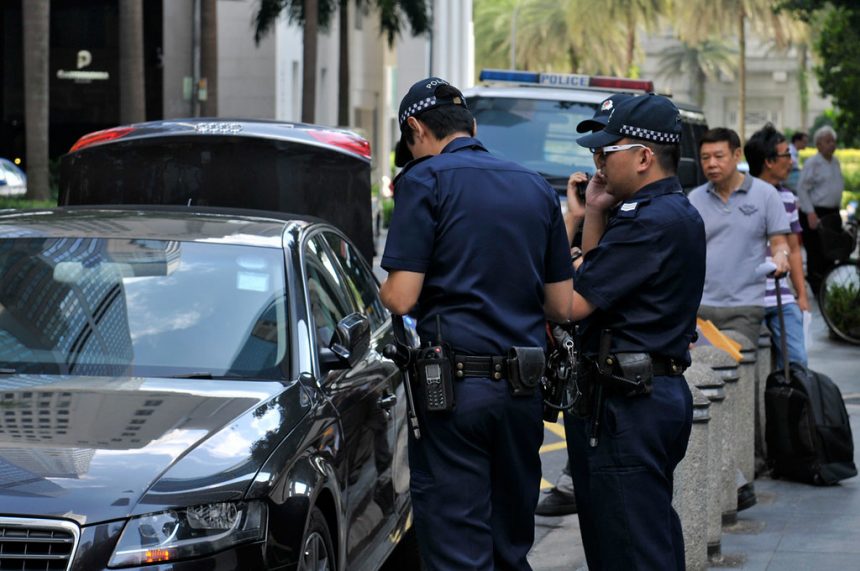
The police force in Singapore is highly effective in cracking down on illegal activities, with a strong emphasis on preventive measures. The police work closely with other law enforcement agencies in the region to share intelligence and coordinate operations to disrupt the activities of organized crime syndicates.
In addition to law enforcement measures, the Singapore government also employs various social strategies to prevent the growth of organized crime. These include providing education and support for at-risk youth, promoting social cohesion and harmony, and encouraging the development of a strong civil society.
Conclusion
While organized crime may not be a significant problem in Singapore compared to other countries, the government remains vigilant in its efforts to combat illegal activities. The history of organized crime in Singapore serves as a reminder of the dangers of such activities and the importance of strong law enforcement and social strategies to prevent their growth. Singapore continues to be a model for other countries in its effective management of organized crime and maintaining a safe and secure society. What is happening now with crime in Singapore? Learn about Is Singapore Really Crime-Free? A Closer Look at Crime Rates and Prevention Efforts in our previous article. By the way, if you want to know which places in Singapore are better to be afraid of then read about Navigating the Riskier Parts of Singapore: A Guide to the Most Dangerous Streets and Areas.