





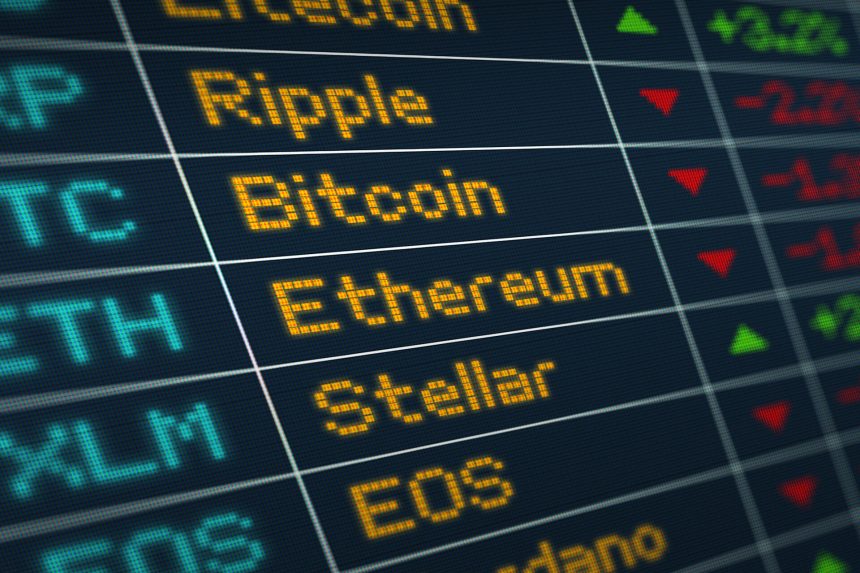
Cryptocurrencies have become increasingly popular in recent years, with many individuals and businesses adopting them as a means of payment and investment. In Singapore, the government has taken a measured approach towards the regulation of cryptocurrencies, balancing the need to protect consumers and the financial system with the desire to encourage innovation and growth in the industry.
Legal Status of Cryptocurrencies in Singapore
In Singapore, cryptocurrencies are not considered legal tender. This means that they are not recognized as a form of currency by the government, and cannot be used to pay for goods and services as a matter of course. However, the Monetary Authority of Singapore (MAS), the country’s central bank, has taken steps to regulate the industry and ensure that it operates within a framework of appropriate conduct and consumer protection.
Regulation of Cryptocurrencies in Singapore
The MAS has taken a proactive approach towards regulating cryptocurrencies in Singapore. In 2014, the MAS issued a statement clarifying its position on virtual currencies, stating that they are not considered legal tender, but that they do not pose a significant risk to the country’s financial system. Since then, the MAS has continued to monitor the industry closely, and has taken steps to ensure that it operates within a framework of appropriate conduct and consumer protection.
In 2019, the Payment Services Act came into effect in Singapore, which provides a regulatory framework for cryptocurrency exchanges and other payment service providers. Under the Act, cryptocurrency exchanges are required to obtain a license from the MAS, and must comply with a range of regulatory requirements, including anti-money laundering and counter-terrorism financing measures.
Tax Treatment of Cryptocurrencies in Singapore
In Singapore, cryptocurrencies are treated as a form of property for tax purposes. This means that profits from the sale of cryptocurrencies are subject to capital gains tax, and losses can be offset against other capital gains. In addition, businesses that accept cryptocurrencies as payment must account for them as revenue for tax purposes.
Conclusion
Overall, Singapore has taken a measured approach towards the regulation of cryptocurrencies, seeking to balance the need to protect consumers and the financial system with the desire to encourage innovation and growth in the industry. While cryptocurrencies are not considered legal tender in Singapore, the MAS has taken steps to regulate the industry and ensure that it operates within a framework of appropriate conduct and consumer protection. With its supportive regulatory environment and growing blockchain industry, Singapore is well-positioned to become a global hub for cryptocurrency innovation and investment. In addition, you can read this article Cryptocurrency in Singapore: A Look at the Legal Landscape