





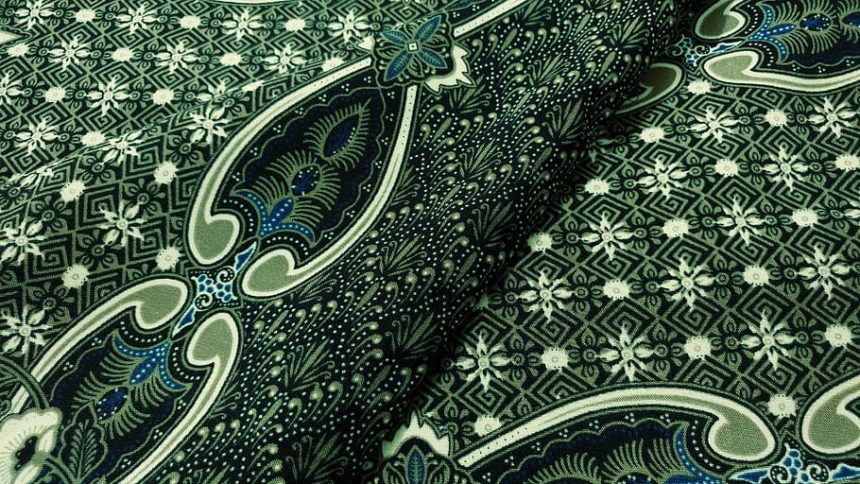
Batik, a traditional textile art form characterized by intricate patterns and vibrant colors, has a rich cultural heritage in Singapore. This ancient craft has been practiced for centuries and holds deep significance in the country’s cultural identity. In this article, we explore the art of batik, its historical roots, its significance in Singapore, and the efforts made to preserve and celebrate this cherished heritage.
Origins and Techniques
Batik originated in ancient Indonesia and eventually spread to various parts of Southeast Asia, including Singapore. The art form involves applying wax to fabric, creating a resist before dyeing the cloth. The wax prevents the dye from reaching certain areas, resulting in beautiful patterns and designs. The intricate motifs are often inspired by nature, folklore, and cultural symbols, with each design carrying its unique meaning.
Batik in Singapore’s Cultural Identity
Batik holds a significant place in Singapore’s cultural fabric, symbolizing the diversity and multiculturalism of the nation. It has been influenced by the various ethnic communities residing in Singapore, including the Malays, Chinese, Indians, and Peranakans. Each community has its distinctive style and motifs, reflecting their heritage and traditions. Batik has become a visual representation of Singapore’s multicultural identity, celebrating the country’s rich cultural tapestry.
Traditional and Contemporary Batik
While traditional batik involves hand-drawn patterns and meticulous waxing techniques, contemporary adaptations have emerged, incorporating modern designs and innovations. Singaporean designers and artists have embraced batik, infusing it with a contemporary twist to cater to evolving tastes and trends. This blend of tradition and modernity has helped batik remain relevant and appealing to a new generation of art enthusiasts.
Batik Preservation and Revival
Recognizing the importance of preserving this heritage craft, various initiatives and organizations in Singapore have made efforts to promote and revitalize batik. The Peranakan Museum, for instance, showcases the intricate batik textiles of the Peranakan community, providing insights into their unique designs and techniques. Art galleries and cultural centers also host exhibitions and workshops, allowing visitors to learn about the art of batik and even try their hand at creating their own pieces.
Celebrating Batik in Festivals and Fashion
Batik is celebrated in Singapore through annual festivals and events that highlight its beauty and significance. The annual Singapore Batik Festival brings together batik enthusiasts, artists, and designers to showcase their creations, conduct workshops, and engage in discussions about the art form. Batik has also found its way into the world of fashion, with designers incorporating batik fabrics into their collections, both locally and internationally, giving this traditional art form a contemporary and global appeal.
Conclusion
Batik, with its intricate patterns and vibrant colors, holds a special place in Singapore’s cultural heritage. It represents the diverse communities that call Singapore home and showcases the nation’s multicultural identity. Through preservation efforts, festivals, and the fusion of tradition and modernity, Singapore continues to celebrate and revitalize the art of batik, ensuring its preservation for future generations. The art of batik stands as a testament to the creativity and craftsmanship of Singapore’s artisans and serves as a source of inspiration and pride for the country’s cultural heritage. Also learn about Exploring Singapore’s Peranakan Culture: Traditions, Cuisine, and Artistry.